
Yes, colognes do expire. Your fragrances typically last 3-5 years after opening, though lighter scents expire faster than woody ones. Watch for warning signs like color changes, sour odors, or quick-fading scents that indicate degradation. Proper storage in cool, dark places extends longevity, while heat and light accelerate breakdown. Using expired cologne may cause skin irritation or unpleasant odors. The following sections will unpack everything you need to protect your fragrance investment.
Key Takeaways
- Colognes typically have a shelf life of 3-5 years after opening before their quality deteriorates.
- Signs of expired cologne include changes in scent (sour or metallic odors), color darkening, and visible separation.
- Oxidation, heat, light exposure, and humidity accelerate fragrance degradation, with lighter scents expiring faster than woody ones.
- Proper storage in cool, dark places away from bathrooms can significantly extend a cologne’s lifespan.
- Using expired cologne may cause skin irritation, allergic reactions, and unpleasant odors rather than the intended fragrance.
The Shelf Life of Cologne: What You Need to Know
While you might assume that your favorite cologne will last forever, the reality is that fragrances do have a finite shelf life. Most colognes remain at their best for 3 to 5 years after opening, depending on their ingredients and how you store them.
Your lighter scents with citrus and floral notes typically expire faster than woody, heavier fragrances.
You’ll know your cologne has expired when you notice changes in its scent (such as sour or metallic notes), color (darkening or cloudiness), or texture (thickening or separation).
Proper storage in cool, dark places with tightly sealed caps significantly extends cologne lifespan.
Remember, using expired cologne isn’t just disappointing—it can cause skin irritation or allergic reactions.
How to Spot the Signs of Expired Cologne
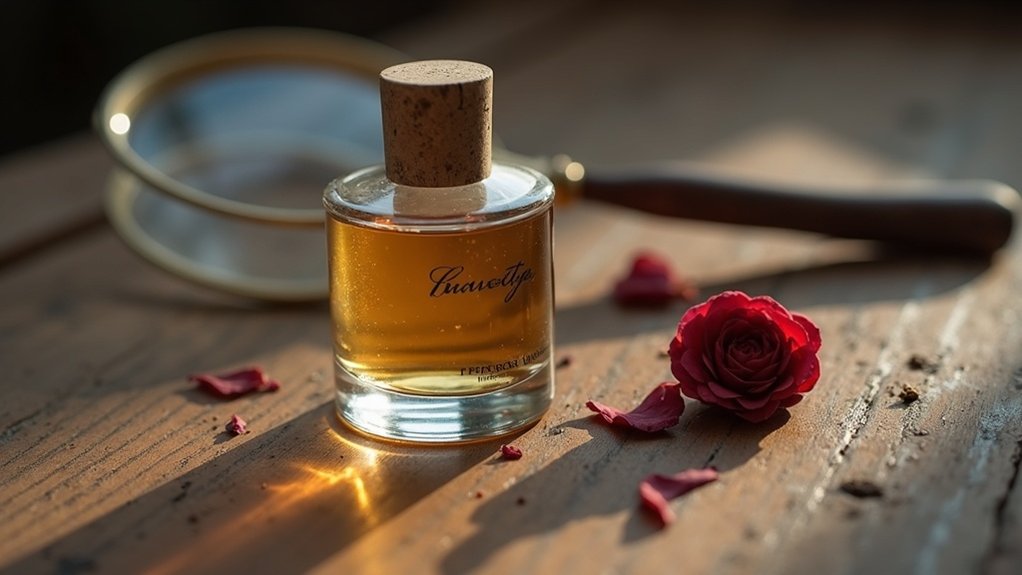
How can you tell if that favorite fragrance should head to the trash bin? Your senses provide the first clues. If your cologne begins to smell sour or develops a metallic odor, it’s likely expired perfume that needs replacing.
Pay attention to changes in color, particularly if the liquid has darkened or turned yellowish, indicating chemical degradation.
Your skin’s reaction matters too. If you experience skin irritation, redness, or rashes after application, the cologne’s ingredients may have broken down and become harmful.
Watch for visible separation or floating particles in the bottle, which signal decomposition.
Finally, if the scent fades quickly or seems significantly weaker than when you first purchased it, your cologne has likely lost its potency and should be replaced.
The Science Behind Fragrance Degradation
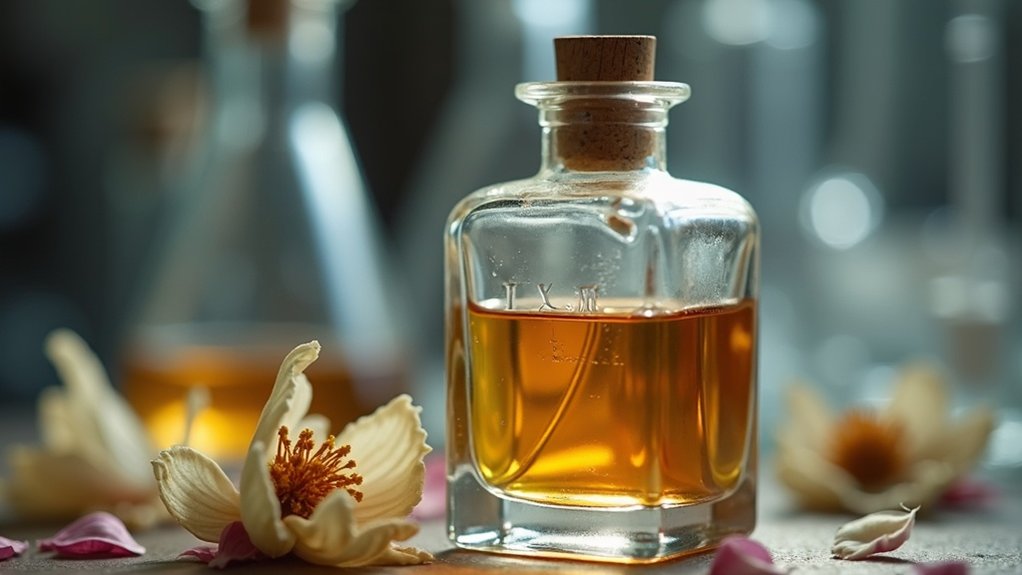
Beneath the captivating scent of your favorite cologne lies complex chemistry that, unfortunately, doesn’t last forever.
When fragrances expire, it’s primarily due to oxidation—the process where air exposure alters their chemical composition, changing both aroma and strength.
You’ll notice that colognes with citrus or floral notes deteriorate faster than those with woody or oriental bases. This happens because their volatile compounds break down more quickly when exposed to oxygen.
Temperature fluctuations and light exposure accelerate this breakdown, causing your cologne to lose its original scent and potentially develop unpleasant odors.
The alcohol in your cologne actually works as a natural preservative, slowing oxidation when stored properly.
With proper care, most opened colognes can maintain their intended fragrance profile for three to five years.
Why Storage Matters: Protecting Your Investment
Your cologne collection isn’t just a luxury, it’s an investment that deserves proper storage to maintain its quality.
You’ll want to keep your fragrances in cool environments, as heat accelerates chemical reactions that break down the delicate scent compounds in your cologne.
Protecting bottles from direct sunlight and fluorescent lighting prevents photodegradation of fragrance notes, while controlling humidity levels stops essential oils from separating and losing their carefully crafted aromatic balance.
Temperature Affects Fragrance Stability
While many cologne enthusiasts focus on the scent notes and brand prestige, temperature stands as one of the most significant factors affecting your cologne’s lifespan.
Temperature fluctuations can rapidly break down fragrance molecules, diminishing both quality and strength of your favorite scent.
To maximize fragrance longevity, store your colognes in a cool, dark environment away from direct sunlight and heat sources.
High temperatures not only accelerate evaporation but can alter the chemical composition of your cologne, potentially transforming your sophisticated scent into something unpleasant.
Consider maintaining consistent storage conditions, similar to how a wine fridge preserves fine vintages.
Additionally, avoid keeping your cologne collection in humid spaces like bathrooms, where moisture can destabilize the formula.
With proper temperature management, you’ll protect your investment and enjoy your signature scents longer.
Darkness Preserves Scent Notes
Just as temperature control extends your cologne’s life, protecting your fragrance from light plays an equally important role in preserving its quality.
Sunlight is particularly damaging, as UV rays accelerate the oxidation process that causes fragrances to expire over time. You’ll notice this deterioration when your cologne changes color or develops an altered scent profile.
To keep it fresh, store your bottles in a dark place like a drawer, cabinet, or closet away from windows.
Many fragrance enthusiasts use wine fridges for valuable collections because they maintain consistent temperature while blocking light.
Avoid bathroom storage, where humidity compounds light damage.
Humidity Damages Cologne Oils
Beyond temperature and light, excessive humidity poses a significant threat to your cologne’s longevity. When you store your fragrance in humid environments, particularly bathrooms, you’re unknowingly accelerating its expiration.
The moisture in the air causes cologne oils to break down over time, altering the scent profile you originally fell in love with. This breakdown isn’t just disappointing to your nose—it can lead to skin irritation when applied.
The humidity promotes separation of ingredients, resulting in an unpleasant texture that doesn’t perform as intended. To protect those serving you from compliments to criticism, keep your cologne in a cool, dry place and always seal bottles tightly after use.
This simple habit minimizes air and moisture exposure, preventing humidity-related degradation and preserving your fragrance investment for much longer.
Can You Still Use Expired Cologne? Risks and Realities
Have you ever discovered an old bottle of cologne tucked away in your drawer and wondered if it’s still safe to use? While it might be tempting to spritz on that forgotten fragrance, you should be aware of potential consequences.
Expired cologne can cause skin irritation, leaving your skin red, itchy, or covered in rashes as ingredients break down over time. You might also notice unpleasant sour or rancid odors rather than the fresh scent you remember.
The risk of an allergic reaction increases with expired products, and some may even stain your favorite clothes.
Before applying old cologne, conduct a patch test on a small area of skin to check for adverse reactions. This simple precaution can help you avoid uncomfortable consequences while still potentially salvaging your fragrance.
Extending Your Cologne’s Lifespan: Best Practices
While your favorite fragrance won’t last forever, proper storage and handling can significantly extend its shelf life beyond the typical 3-5 year window.
To prevent your cologne going bad prematurely, keep it in its original packaging and store your cologne in a cool, dark place away from windows and heating vents.
Always ensure the bottle cap is tightly secured after each application to minimize oxygen exposure.
Resist the urge to shake the bottle, as this introduces air that accelerates degradation.
For maximum impact, apply your scent to pulse points where body heat naturally diffuses the fragrance.
Consider complementing with matching scented products like body wash or lotion to help your perfume last throughout the day.
With these simple practices, you’ll enjoy your signature scent for years to come.
Seasonal Scents and Their Expiration Patterns
Not all colognes age at the same rate, especially when it comes to seasonal fragrances that are formulated with specific weather conditions in mind.
Citrus and floral seasonal scents typically expire faster, lasting only 2-3 years after opening, while woody and oriental fragrances remain viable for 3-5 years.
You’ll know your perfume has expired when its color darkens or the scent changes dramatically.
Seasonal temperature changes can accelerate this process, particularly affecting lighter summer fragrances that contain more volatile compounds.
To maximize longevity, store in a cool, dark place regardless of the season.
Remember to check your collection regularly, especially those scents you only use during specific seasons.
Proper storage can help ensure your favorite winter or summer cologne remains fresh until the next appropriate season arrives.
How Different Cologne Types Age Differently
Every cologne has its own natural lifespan, depending primarily on its composition and ingredient profile. Your citrus and floral fragrances typically last only 1-2 years as their lighter notes break down faster, while woody and oriental scents can maintain their quality for 3-5 years thanks to their stable base notes.
When checking potential expiration dates, remember that colognes with higher alcohol content generally outlast those with natural ingredients, as alcohol helps prevent bacterial growth. Natural formulations might benefit your skin, but they’ll expire quicker without preservatives.
You can maximize any cologne’s lifespan through proper storage—keep bottles sealed tightly in cool, dark places away from sunlight and temperature fluctuations.
This simple care routine ensures you’ll enjoy your favorite fragrances, especially those precious oriental scents, for their full intended lifetime.
Reading Batch Codes and Manufacturer Information
Beyond proper storage techniques, knowing how to decode the information on your cologne packaging can reveal exactly when your fragrance might lose its potency.
Batch codes, those seemingly random numbers and letters printed on your bottle, can help you determine when your cologne was manufactured.
Look for an expiration date directly on the packaging, as many brands now include this vital information to guide your usage.
Understanding the ingredients list will also provide clues about your cologne’s potential longevity, since certain components deteriorate faster than others.
Don’t overlook the storage instructions provided by the manufacturer. Following these recommendations can significantly extend your fragrance’s life.
For more detailed information about your specific cologne, visit the brand’s official website, where you’ll often find batch code decoders and product-specific details.
When to Replace Your Favorite Scent: Making the Call
While your signature cologne might feel like a timeless companion, recognizing when it’s time to say goodbye can save you from an unpleasant fragrance experience.
Most colognes remain at their best for 3 to 5 years after opening, but you’ll need to monitor for specific signs of expiration.
Watch for changes in your cologne’s appearance, such as darkening or cloudiness, which indicate chemical breakdown. If you notice the scent turning sour or metallic, that’s a clear signal to replace it.
Pay attention to your body’s response too—skin irritation, redness, or rashes after application suggest the fragrance has degraded and become potentially harmful.
Additionally, if your once-powerful scent now fades quickly or the liquid seems watery, it’s likely time to invest in a fresh bottle.