
Hair toner neutralizes unwanted undertones in your colored hair, using color theory to perfect your shade. For blondes, purple toners eliminate yellow brassiness, while blue toners tackle orange tones in brunette hair. Unlike permanent dyes, toners deposit semi-permanent micro-pigments on the hair shaft, adding shine and dimension. Results typically last 3-8 weeks depending on your hair care routine. Discovering the right toning schedule can transform your color maintenance experience.
Key Takeaways
- Toner neutralizes unwanted undertones in colored hair using color theory, with purple combating yellow and blue tackling orange brassy tones.
- It deposits semi-permanent micro-pigments onto hair strands without deeply penetrating, unlike permanent dyes.
- Toner enhances colored hair by adding shine, depth, and dimension for a more polished, professional-looking result.
- Results typically last 3-8 weeks depending on hair care routine, with maintenance needed every 3-4 weeks.
- Toners come in various forms including shampoos, conditioners and salon-grade formulas with different strengths for blonde and brunette hair.
Understanding Hair Toner: Definition and Purpose
Confusion often surrounds hair toner in the world of hair coloring, but it’s actually a powerful tool in achieving your perfect shade. Hair toner is a semi-permanent product that works by depositing color pigments onto your hair shaft, not penetrating deeply like permanent dyes.
When you use toners, you’re essentially adding a corrective layer that can neutralize unwanted undertones in your colored hair. For example, purple toners help eliminate yellow brassiness in blonde hair, while blue toners tackle orange tones. These products work based on color theory, where opposite colors on the color wheel cancel each other out.
Beyond color correction, toners help enhance your hair’s overall appearance by adding shine, depth, and dimension to your color, making it look more polished and natural.
The Science Behind How Hair Toner Works
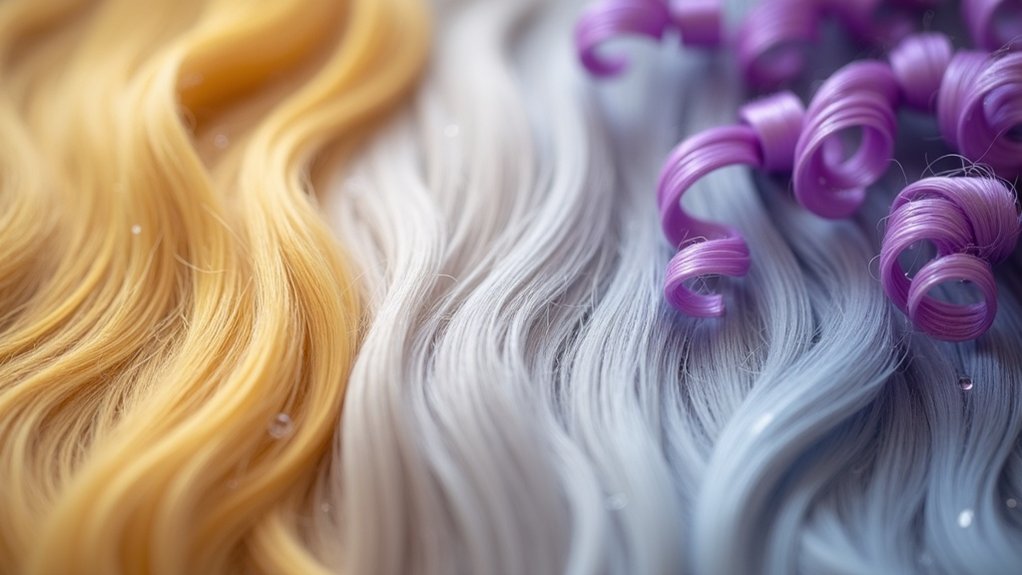
To understand how hair toners transform your color, you’ll need to explore the fascinating chemistry happening on your hair shaft. Hair toner works by depositing tiny micro-pigments onto the surface of your strands, rather than deeply penetrating like permanent dyes. This allows for temporary adjustments that fade gradually.
When you bleach your hair, the natural pigments (eumelanin and pheomelanin) reveal underlying tones that might appear brassy. That’s where the color wheel becomes your best friend. Hair toner uses opposing colors to neutralize unwanted tones—purple counteracts yellow, while blue tackles orange hues. It’s simple color theory in action!
The results typically last between three to eight weeks, depending on your hair care routine and the type of toner you’ve used. At-home products generally require more frequent application.
Different Types of Toners for Various Hair Colors
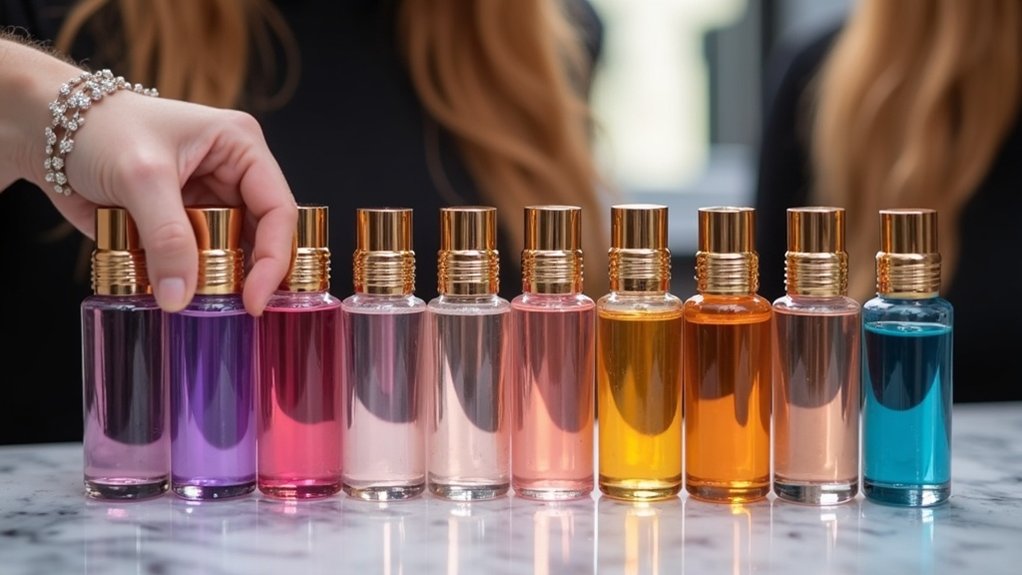
If you’re a blonde, you’ll want to use purple toners to cancel out yellow tones and maintain that cool, icy look you love.
For brunettes struggling with orange undertones, blue toners work as your perfect brassiness-fighting solution, creating a more natural, balanced shade.
Your hair color dictates which toner will work best, with options ranging from shampoos and conditioners to professional-grade formulas that can transform your color between salon visits.
Blonde-Specific Toning Solutions
While blonde hair can look stunning when freshly colored, it often requires special maintenance to preserve its desired shade over time. Blonde-specific toners are specially formulated to combat unwanted undertones that develop in lightened hair.
Purple toning shampoo works wonders on yellow tones, creating a cooler, more balanced blonde. For orange undertones in medium blonde to light brown hair, you’ll find blue toners more effective.
You’ve got options when it comes to blonde toning treatments. Popular choices include warm honey blonde, champagne beige, and icy platinum formulations, each designed to enhance different blonde variations while maintaining vibrancy.
Though salon-grade toners deliver more dramatic results with their higher pigment concentration, you can extend their effects between appointments with at-home solutions like tinted shampoos and conditioners.
Brunette Brassiness Fighters
Just as blondes battle yellow tones, brunettes face their own color challenges in the form of unwanted orange and red undertones that can make your beautiful brown hair look brassy.
To combat these issues, you’ll need specific toners designed for darker locks.
Blue toners are your go-to solution for neutralizing orange brassy tones in brunette hair, enhancing your color’s richness.
If you’re dealing with red undertones in darker brown or black hair, green toners can create a more balanced, natural appearance.
You can maintain your color between salon visits with blue shampoos 1-3 times weekly.
For more significant correction, professional salon toners offer stronger pigments that effectively counteract brassiness while improving shine and overall hair health in your color-treated brunette locks.
When to Incorporate Toner in Your Hair Color Routine
Knowing the perfect timing for toner application can make all the difference between stunning, salon-quality results and disappointment with your hair color.
After bleaching or highlighting, immediately incorporate toner to neutralize those unwanted brassy tones and achieve balanced color results. You’ll want to use toner every time you bleach your hair, as it corrects exposed underlying pigments from the lightening process.
To maintain vibrancy between salon visits, schedule regular toning appointments every 3-4 weeks for professional treatments, or every 1-2 weeks if using at-home products.
For ongoing maintenance, add purple or blue toning shampoos to your routine 1-3 times weekly. This consistent approach ensures your color stays fresh while extending the life of your color investment and keeping your hair looking polished and healthy.
Professional vs. At-Home Toning: Pros and Cons
When choosing between professional and at-home toning, you’ll need to weigh several key factors that impact your hair’s final look.
Professional stylists bring expertise in application techniques that can target specific areas of concern, while you’ll typically pay more for these precise results compared to budget-friendly DIY options.
Your hair’s health remains a crucial consideration, as salon treatments often include protective measures that minimize damage, whereas improper at-home application might lead to dryness or breakage if products aren’t matched correctly to your hair type.
Expert Application Techniques
Two primary approaches exist when it comes to applying hair toner: professional salon treatments and at-home applications.
When visiting hair colorists, you’ll benefit from their expertise in customizing toning treatments to your specific needs. Professional stylists apply toners with precision, adjusting processing times between five and twenty minutes to achieve your desired shade.
If you’re applying toner at home, hair toner can help maintain your color between salon visits, but follow instructions carefully.
Purple or blue shampoos offer convenient maintenance options, though they typically require more frequent use than professional treatments. For optimal results, especially with complex color corrections or stronger formulations, consulting with a professional is recommended.
Remember that while DIY options save money, they provide less control over the final outcome compared to salon services.
Cost vs. Results
The financial investment in hair toning varies significantly between professional services and do-it-yourself options.
Professional hair toning typically costs between $40 and $200, depending on salon prestige and service complexity, while at-home options range from just $10 to $30.
You’ll notice substantial differences in results too. Salon toners contain higher pigment concentrations that effectively neutralize unwanted tones for up to four weeks, with stylists providing customized solutions for your specific hair needs.
At-home toners, while convenient and budget-friendly, generally require application every 1-2 weeks and offer less personalized results.
Your decision should balance budget considerations with desired outcomes. If you’re addressing severe brassiness or need precise color adjustments, the professional investment often delivers superior, longer-lasting results worth the additional cost.
Damage Control Differences
Most professional toners are specifically formulated to minimize damage while delivering color correction, creating a significant distinction between salon and at-home treatments.
When stylists apply hair toner, they’re assessing your specific needs and using products with appropriate strength to neutralize brassy undertones without compromising hair health.
At-home toners, while convenient and budget-friendly, require careful attention to prevent overprocessing. You’ll need to monitor application time and frequency—typically every 1-3 weeks—to avoid damage.
Professional treatments, however, are designed to last 3-4 weeks with minimal stress on your hair.
If you’re dealing with significant color correction issues, salon toning provides the expertise needed to address complex problems safely, whereas DIY approaches might lead to uneven results or unexpected damage when used incorrectly.
Maximizing Toner Longevity: Aftercare Tips
Once you’ve achieved your perfect hair color with toner, preserving that beautiful shade becomes your next priority.
To maximize toner longevity, switch to sulfate-free shampoos and conditioners, which won’t strip away your color-treated hair’s vibrancy.
When washing your hair, opt for lukewarm or cool water instead of hot, as heat opens the cuticle and allows color to escape faster.
Protect your toned locks from the sun by wearing a hat outdoors, as UV rays can fade your color prematurely.
Invest in color-safe products specifically designed for maintaining your shade, and apply them regularly as part of your hair care routine.
Finally, avoid chlorinated pools, which can react with your toner and cause unwanted color changes.
Common Toning Mistakes and How to Avoid Them
Even with the best aftercare routine, your toning results will fall short if you’re making fundamental mistakes during application. One of the most common mistakes is leaving toner on bleached hair for too long, which can result in over-processing and unwanted color outcomes. Always follow the recommended processing time of 5-20 minutes.
Before applying any product, perform a patch test to avoid potential allergic reactions. When mixing your toner, carefully follow manufacturer instructions for proper developer ratios.
Remember to apply toner only on clean, freshly washed hair for even absorption.
After toning, maintain your color by using sulfate-free toning shampoos and conditioners. These specialized products help preserve your color investment rather than stripping it away prematurely.
With proper technique and knowledge, you’ll avoid these pitfalls and achieve professional-quality results.