
Special effects cosmetics, more commonly known as SFX makeup, stand at the intersection of artistry, technology, and storytelling, reshaping the boundaries of character design in entertainment today. From the eerie scars defining villains to fantastical creatures straight out of imagination, these transformations involve intricate prosthetics, skillful makeup application, and innovative visual effects. This evolving craft continues to captivate audiences by pushing realism and fantasy to new heights, delivering immersive experiences that deeply resonate with viewers. With advances in materials and techniques, SFX cosmetics now enrich characters in film, television, theater, and even cosplay, making the impossible believable on screen and stage.
Behind every stunning transformation lies a deep understanding of anatomy, color theory, and material properties. Artists combine these elements with storytelling prowess, creating looks that reflect a character’s backstory, personality, and narrative arc. Whether it’s the subtle aging of a protagonist or the exaggerated features of a monster, SFX makeup infuses life and credibility into characters, elevating the entire production. The role of prosthetics—custom-built facial appliances and extensions—is pivotal, adding complex shapes and textures that conventional makeup cannot achieve alone. Through these tools, artists explore new forms of creativity, challenging conventional beauty standards and audience perceptions.
For professionals and enthusiasts alike, mastering this craft demands dedication, continuous learning, and hands-on experimentation. From beginners exploring foundational skills to veteran artists refining advanced techniques, the journey through SFX cosmetics is both demanding and rewarding. It opens doors to diverse career paths in entertainment, fashion, and event production. This guide delves into the core components of SFX makeup, from essential products and tools to techniques that create iconic transformations. It also explores safety considerations, creative development, and tips to build a professional portfolio. If you’re passionate about bringing characters to life with realism and flair, understanding the transformative power of SFX cosmetics is essential.
In brief:
- SFX cosmetics merge artistry with technology to transform characters through prosthetics, makeup, and visual effects.
- Prosthetics increase the versatility of looks by adding three-dimensional features impossible with traditional makeup alone.
- Essential tools include specialized adhesives, synthetic materials, paints, and sculpting supplies tailored for SFX artistry.
- Basic techniques like sculpting, molding, and painting form the foundation for creating believable wounds, creatures, and age effects.
- Safety practices and product knowledge are crucial to prevent allergic reactions and ensure sustainable use of materials.
- Practice, networking, and portfolio building are key steps for those aiming for a professional career in SFX makeup.
Understanding SFX Cosmetics: Foundations and Evolution in Character Design
At its essence, SFX cosmetics represent a specialized branch of makeup artistry designed to create transformative effects that go beyond enhancing an actor’s natural features. This discipline enables artists to fabricate wounds, deformities, mythical creatures, and complex aging effects with exceptional detail. The evolution of SFX makeup is closely tied to the advancement of cinematic technology and audience expectations beginning in the early 20th century. As filmmakers sought to tell more imaginative and visually engaging stories, makeup artists started experimenting with prosthetics, latex, silicone, and innovative painting methods to achieve surreal yet believable characters.
Unlike traditional cosmetics, which focus primarily on skin beautification and enhancement, SFX makeup employs thicker, more malleable materials that alter the physical contours of the face and body. Prosthetics crafted from foam latex or silicone allow for lifelike textures mimicking skin, scars, or other textures crucial to storytelling. This craft extends into detailed paintwork, often using airbrushing and layering techniques to simulate bruises, burns, or fantastical skin tones that blend smoothly with natural skin.
These enhancements significantly impact character design. For example, take the haunting White Walkers from the critically acclaimed series Game of Thrones. The artists used advanced prosthetics and airbrushed makeup to achieve otherworldly skin textures and chilling facial structures that communicated both menace and mystique. Similarly, the Joker’s terrifying facial scars in “The Dark Knight” were achieved through carefully applied prosthetics and paint, adding depth to the character’s chaotic persona. These examples illustrate how SFX cosmetics are not just about visual transformation but also about enhancing narrative depth and audience engagement.
As we progress into a new decade, technological advances have spurred enhanced materials that improve comfort for performers and longevity of the makeup in demanding shooting conditions. Innovative silicone prosthetics offer superior elasticity and skin-like texture, while alcohol-activated paints guarantee waterproof, realistic finishes under various lighting. For those seeking structured insight into SFX prosthetics, this comprehensive guide details key materials and their applications, providing a foundational knowledge base vital for anyone entering this profession.
Essential Tools and Products That Define Professional SFX Makeup
Mastering SFX makeup requires a well-curated collection of tools and products designed specifically for the challenges of special effects application. The standard kit for an SFX artist includes not only typical brushes and sponges but also specialized adhesives, prosthetic materials, and color palettes engineered for durability and realism.
Key tools include:
- Makeup Brushes and Sponges: Used for detailed application and blending; artists select various sizes for precision.
- Spirit Gum and Prosthetic Adhesives: Vital for securely attaching prosthetics to skin, ensuring they withstand movement and time.
- Latex and Silicone Latex: Fundamental for creating texture and building three-dimensional wounds or features.
- Fake Blood and Painting Materials: Essential for realism, available in various consistencies and colors corresponding to different injury types.
- Mixing Palettes and Sculpting Clay: Used to custom-create colors and prosthetic shapes before molding.
Moreover, understanding different prosthetic materials shapes the quality of results. Foam latex prosthetics are favored for their lightness and flexibility, making them comfortable for actors during extended shoots. Silicone prosthetics, increasingly popular since 2020, provide excellent translucency and a skin-like texture that airbrush techniques enhance for outstanding photorealism. Meanwhile, gelatin prosthetics offer cost-effective options ideal for beginners or short-term effects.
For newcomers, trusted brands such as Cinema Secrets and Mehron provide kits tailored to beginners, combining quality with ease of use. These brands support artists in practicing basic skills while offering the opportunity to grow into more complex projects. Regular experimentation with different products allows artists to discover what suits their style and technical needs best.
| Material Type | Characteristics | Common Uses | Suitability |
|---|---|---|---|
| Foam Latex | Lightweight, flexible | Wounds, facial appliances, masks | Intermediate to Professional |
| Silicone | Durable, lifelike texture, translucent | High realism prosthetics, skin textures | Professional |
| Gelatin | Budget-friendly, pliable | Temporary wounds, burns, scars | Beginner to Intermediate |
| Latex | Pre-made appliances, easy to apply | Quick effects, small modifications | Beginner |
| Scar Wax | Highly moldable | Sculpt wounds, cuts, deformations | Intermediate |
For those eager to delve deeper into the variety of products and their applications in film makeup and character-building, more extensive resources like A Complete Guide to Special Effects Makeup – Volume 2 provide step-by-step processes from industry experts, guiding learners beyond basics toward mastery.
Basic SFX Makeup Techniques: Sculpting, Molding, Painting, and Application
The heart of SFX makeup lies in mastering foundational techniques. These skills enable an artist to translate imaginative concepts into tangible, visually compelling transformations. A beginner first encounters sculpting, molding, painting, and skillful application—all essential for creating prosthetics and special effects that are both believable and functional.
Sculpting involves crafting the original design, typically using oil-based clay to form detailed shapes such as wounds, facial textures, or monstrous features. This step demands an understanding of anatomy along with patience and precision, as the sculpt’s quality directly affects the effectiveness of the final prosthetic.
Following sculpting, the creation of a mold allows the artist to produce prosthetic appliances repeatedly. Materials like silicone and alginate are standard choices, prized for their flexibility and fidelity in capturing fine details. Knowing how to prepare, pour, and demold these substances is a crucial skill that separates amateurs from professionals.
Painting breathes life into the prosthetic. Techniques include layering colors with sponges or brushes to mimic skin tones, bruises, veins, and other natural or unnatural effects. Airbrushing brings seamless blending and depth, enhancing realism dramatically. Alcohol-activated paints have become essential for their water-resistant qualities, perfect for on-set durability.
Once painted, the prosthetic must be carefully adhered to the skin using adhesives like spirit gum or pros-aide. The edges are blended meticulously to merge with natural skin, often using makeup to disguise boundaries and add final touches. Lighting considerations during filming must also influence color choices and textures applied.
- Master sculpting with basic materials to build detailed shapes
- Learn molding to duplicate prosthetics efficiently
- Practice advanced painting methods using airbrush and layering
- Develop seamless application techniques with adhesives and finishing makeup
- Study anatomy and skin textures to increase believability
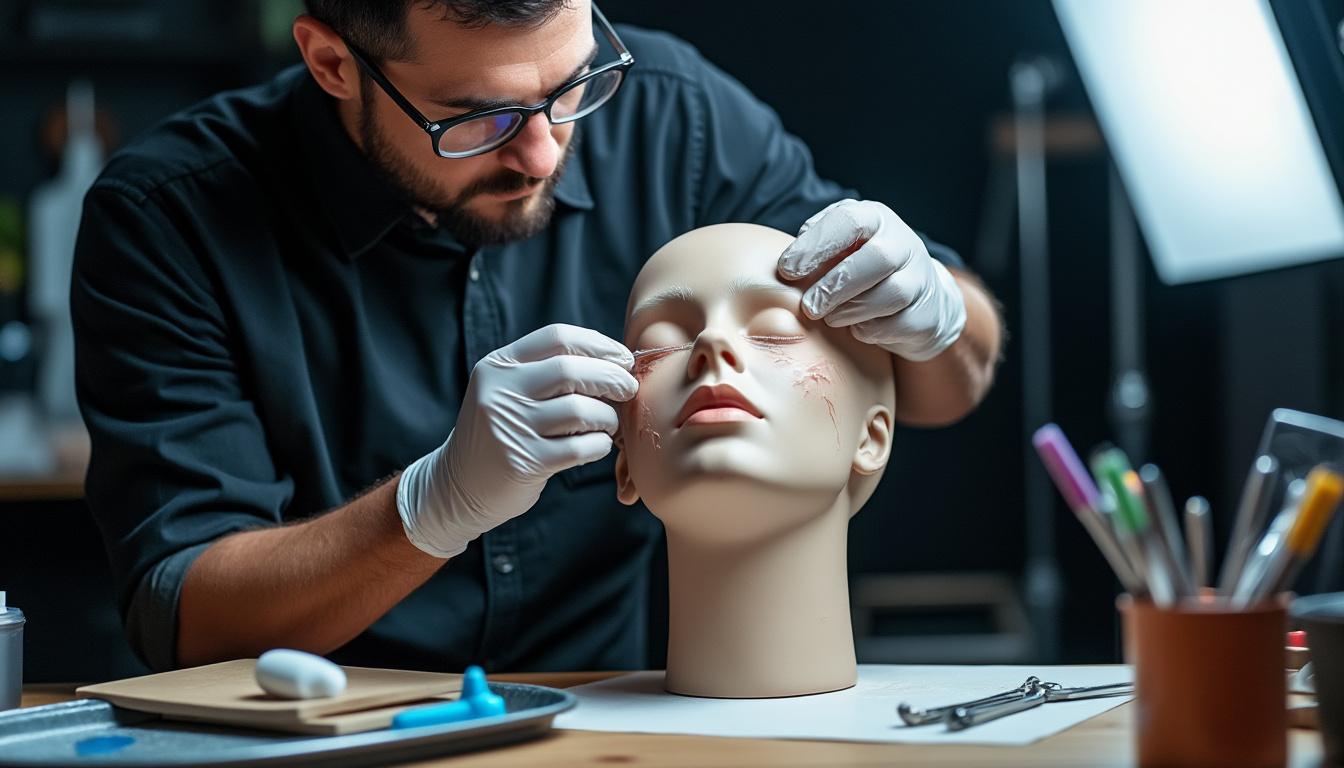
For a practical intro, many beginners start by creating a simple wound prosthetic, progressing step-by-step through sculpting, molding, painting, and finally applying the piece on model skin, learning troubleshooting along the way. This hands-on experience is invaluable and nurtures confidence.
Prioritizing Safety and Longevity in SFX Prosthetic Use
While innovation powers the world of SFX makeup, safety and responsible material use remain paramount. SFX cosmetics involve products that can irritate the skin or cause allergic reactions if incorrectly used. Thus, proper precaution safeguards both artists and performers.
Performing a patch test is an essential first step before applying adhesives, latex, or paints on the skin. Many materials, notably latex, are common allergens that require special alternatives or hypoallergenic choices. Maintaining a well-ventilated workspace reduces the risk of inhaling fumes from solvents or adhesives. Using gloves and sanitized brushes ensures hygiene and prevents bacterial or fungal contamination.
Storage is another critical point; products stored in humid or hot conditions suffer degradation, altering their efficacy and safety. Expired makeup or prosthetics may also lose adhesive power or develop bacterial growth, risking skin infections. Responsible disposal of used products, especially those containing toxic compounds, is vital for environmental considerations.
Being aware of these factors not only protects physical health but also supports sustainable practice in an industry increasingly conscious of environmental impact. Resources like American Profession Guide offer additional insights into best practices ensuring both artistry and safety harmonize in every transformation.
Building a Successful Career in SFX Makeup: Creativity, Networking, and Portfolio Development
Excelling in SFX makeup requires more than technique; creativity and professional positioning also shape success in this niche but competitive field. Crafting evocative character designs demands an artistic eye and a deep visualization ability, along with constant adaptation to new trends and materials. Developing a distinct style helps artists stand out in a crowded market.
Networking plays a crucial role in gaining commissions and collaborations. Engaging with industry professionals through conventions, workshops, and social media platforms establishes connections that often lead to career milestones. Platforms like Instagram, LinkedIn, and industry-specific communities act as virtual portfolios and networking hubs.
A meticulously curated portfolio showcases a range of skills from realistic wounds to complete character transformations incorporating prosthetics and final makeup. High-quality photography is essential to capture detail and lighting nuances, fully representing the artist’s capabilities. Digital portfolios allow for accessible sharing, while physical books remain valuable for in-person auditions and meetings.
Beginners are advised to start with projects that expand their ability gradually, ranging from simple scars to elaborate creatures, documenting every step. Collaborations with photographers and actors enhance portfolio diversity and provide real-world experience. Constant self-evaluation and openness to critique accelerate growth, turning passion into profession.
Many aspiring makeup artists find inspiration and guidance through resources such as comprehensive blogs on SFX makeup and costume design, and film lifestyle platforms dedicated to nurturing emerging talent.
- Develop a unique artistic style to differentiate your work
- Create a broad portfolio showing diverse special effects and characters
- Engage actively with the SFX and entertainment community online and offline
- Collaborate regularly with creative professionals to expand skills and networks
- Continuously update your portfolio with new projects reflecting current trends