
Cosmetic dentistry has transformed dramatically in recent years, and veneers stand out as one of the most popular and effective solutions for achieving a flawless smile. Whether it’s correcting discoloration, reshaping teeth, or closing gaps, veneers offer a versatile option to enhance dental aesthetics. However, beyond their superficial appeal lies a complex interplay of dental science, artistry, and patient-specific customization that empowers individuals to regain confidence and improve oral health. This article delves deep into everything you need to know about cosmetic dentistry veneers, exploring materials, procedures, benefits, and maintenance with clarity and expert insight.
Key takeaways:
- Dental veneers provide a reliable method for tooth restoration and smile makeovers through thin shells bonded to the teeth.
- The most common types are porcelain veneers and composite veneers, each with distinct advantages in durability, appearance, and cost.
- Understanding the veneer procedure and realistic outcomes is essential to avoid common pitfalls and set appropriate expectations.
- Maintaining veneers requires dedication to oral hygiene and regular dental visits to preserve their longevity and appearance.
- Alternatives such as dental bonding and tooth whitening can complement or serve as simpler options depending on specific dental concerns.
Understanding the Fundamentals of Cosmetic Dentistry Veneers
At the heart of cosmetic dentistry lies the use of veneers, ultra-thin shells designed to cover the front surface of teeth to improve appearance. Developed as a modern alternative to crowns, veneers offer a conservative approach by preserving more of the natural tooth structure while addressing flaws like chips, cracks, discolorations, and minor misalignments.
Veneers generally come in two broad categories: porcelain veneers and composite veneers. Porcelain veneers, crafted in a dental laboratory from high-quality ceramic materials, replicate the translucency and texture of natural enamel with impressive realism. They resist stains exceptionally well and are favored for their longevity, often lasting 10 to 15 years or more with proper care.
Composite veneers, on the other hand, are created directly in the dental clinic through the application of tooth-colored resin material that is sculpted and cured to the desired shape. While less expensive upfront and quicker to apply, composite veneers are more porous and prone to staining, typically requiring replacement or touch-ups after 5 to 7 years.
The choice between these types depends on several factors including budget, desired aesthetic outcomes, and the extent of tooth restoration needed. For example, porcelain veneers are ideal for severe discoloration or larger corrections, while composite veneers suit minor reshaping or younger patients wanting a less invasive procedure.
Dental veneers should never be seen purely as cosmetic. They play a crucial role in tooth restoration by reinforcing structurally compromised teeth and improving overall oral health. The synergy between aesthetics and function is what makes veneers a cornerstone of contemporary dental aesthetics.

The Step-by-Step Process for a Successful Veneer Smile Makeover
A veneer application involves precise planning and skilled craftsmanship to ensure a natural, beautifully aligned smile. First, a comprehensive dental examination is essential to evaluate oral health and discuss patient expectations. This stage includes digital imaging, x-rays, and sometimes impressions to design customized veneers tailored to facial structure and complexion.
Once the treatment plan is agreed upon, the next step involves tooth preparation. Usually, a small amount of enamel (about 0.5mm) is gently removed from the front surface of the teeth to accommodate the veneer thickness. This step is critical to prevent bulky or unnatural results and to guarantee proper bonding strength.
After tooth preparation, impressions are taken and sent to the dental laboratory where porcelain veneers are fabricated. This process typically spans one to two weeks. In the meantime, temporary veneers may be placed to protect prepared teeth and maintain aesthetics.
When the permanent veneers arrive, they undergo a trial fitting. Adjustments in shape, color, and fit are made to achieve the most harmonious integration with the natural teeth. Once finalized, the teeth are meticulously cleaned and etched to create an ideal surface for adhesive bonding.
The veneers are then permanently cemented using a special dental adhesive cured under a curing light to ensure a durable attachment. Finally, the dentist removes any excess cement and polishes the veneers for a perfect finish.
Following the procedure, patients receive instructions to optimize veneer longevity, including avoiding excessive biting into hard foods and maintaining excellent oral hygiene. For an in-depth view of what to expect, many find resources such as what to expect from a cosmetic dentist for veneers tremendously helpful.
Common challenges and how they are managed
While veneers offer transformational results, there are potential challenges to consider. One is tooth sensitivity after enamel removal, which usually subsides within days but can sometimes persist. Another is chip or fracture risk if a patient frequently bites hard objects or grinds teeth, often mitigated by wearing a protective night guard.
Occasionally, adhesives can fail, or veneers may discolor marginally, especially composite types. Regular dental check-ups are vital for early detection and intervention. Sensible patient behavior paired with professional care often leads to an enduring smile makeover.
Comparing Porcelain Veneers and Composite Veneers: Pros and Cons
Choosing between porcelain and composite veneers depends on balancing aesthetic desires, durability, and budget. The following table illustrates a clear comparison:
| Feature | Porcelain Veneers | Composite Veneers |
|---|---|---|
| Material | High-quality ceramic | Tooth-colored resin |
| Durability | 10-15+ years | 5-7 years |
| Appearance | Highly natural, translucent | Good, but less lifelike |
| Stain Resistance | Excellent | Moderate to poor |
| Cost | Higher | Lower |
| Treatment Time | 2-3 weeks due to lab fabrication | Typically same-day or within 1 appointment |
| Repairability | Difficult, often requires replacement | Easy to repair or touch-up |
For those weighing the options, it is crucial to evaluate lifestyle and long-term goals beyond the immediate price tag. Some patients prefer the ease of quick composite veneers, especially if considering future modifications or younger age groups. Others prioritize porcelain’s unmatched finish and resilience for a permanent, sophisticated smile.
How Veneers Complement Other Cosmetic Dentistry Treatments
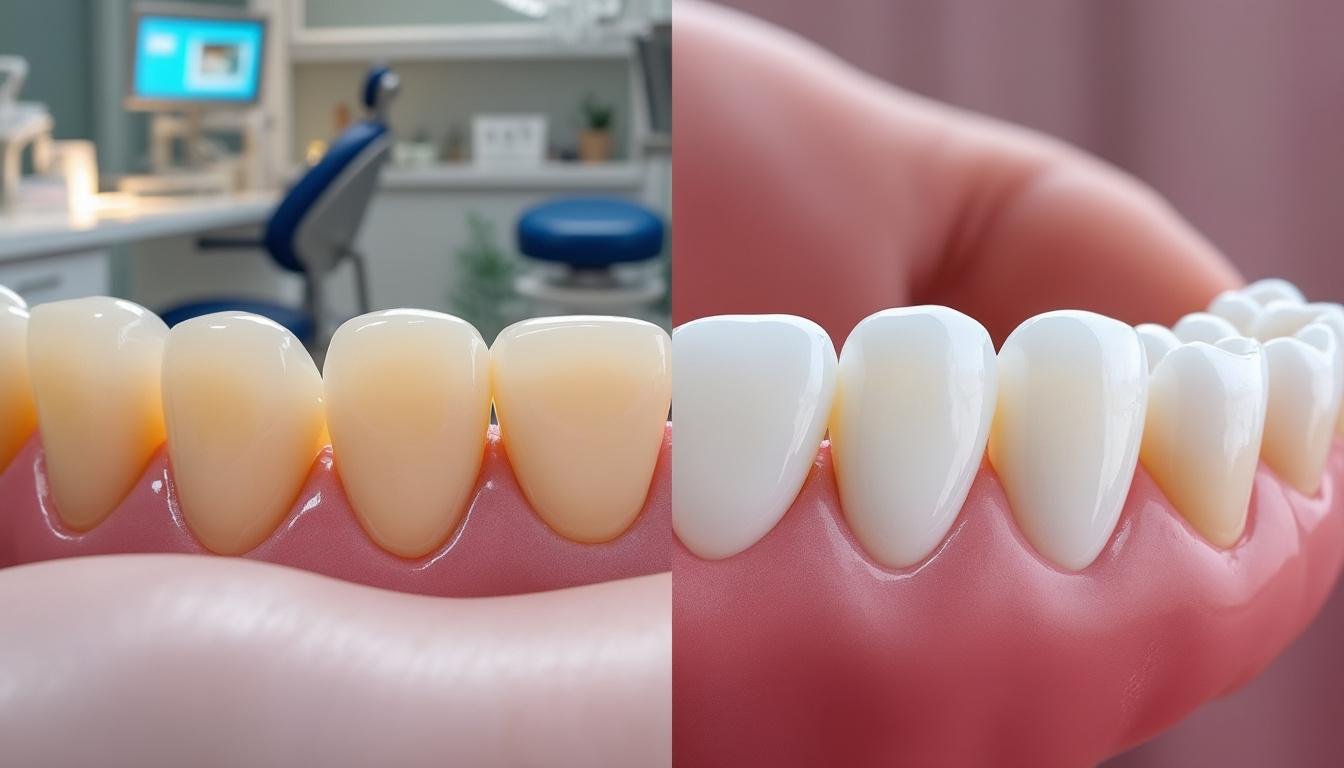
Veneers often act as part of a broader treatment plan involving multiple cosmetic dentistry techniques for optimal results. For example, dental veneers can be combined with tooth whitening procedures to ensure uniform color, especially when natural teeth surrounding the veneers require brightening before placement.
Dental bonding is another commonly paired treatment. Unlike veneers, bonding uses a resin applied directly to the tooth, ideal for fixing minor chips or gaps without extensive preparation. To explore this option more, consider reading on everything you need to know about cosmetic dental bonding, which can be a cost-effective alternative or complement to veneers.
In some cases, orthodontic interventions like clear aligners or braces precede veneer placement to correct significant misalignments before the aesthetics are finalized. This combination yields more natural and functional results, addressing both form and function comprehensively.
Furthermore, a well-planned smile makeover might integrate gum reshaping (gingivoplasty) or tooth contouring for balance and harmony. The holistic approach ensures that veneers are not merely a superficial patch but part of an overall dental health strategy.
Long-Term Care and Maintenance for Dental Veneers
The longevity of dental veneers hinges on attentive care and consistent maintenance. Although veneers are highly durable, neglecting oral hygiene or habits like nail-biting, chewing ice, or using teeth as tools can reduce their lifespan considerably.
A robust oral care regimen should include daily brushing with a non-abrasive toothpaste, flossing to prevent gum disease, and regular professional cleanings. Additionally, wearing a night guard if teeth grinding (bruxism) is present is critical to protect the veneers from microfractures and loosening.
Diet also plays a role; limiting excessive intake of stain-causing foods and drinks like coffee, red wine, and tobacco helps preserve veneer brilliance. While porcelain veneers resist stains very effectively, composite veneers require more vigilance.
Routine dental visits allow professionals to monitor veneer integrity and conduct minor repairs when necessary. Early intervention in case of damage helps avoid costly replacements. Patients should also be aware that veneers are irreversible once tooth enamel is removed, emphasizing the importance of informed decisions and maintenance.
Experts often recommend a tailored follow-up schedule post-procedure to safeguard investment into a smile makeover. Combining patience, proper care, and occasional professional assessments ensures veneers continue to enhance appearance and function for many years.