
Acne affects millions worldwide, yet clearing it can feel like an elusive goal, especially when well-meaning skincare routines seem to backfire. In 2026, dermatologists continue to emphasize that the secret to managing acne isn’t merely about what you do, but also about avoiding certain damaging habits and product choices. Over-cleansing, neglecting moisturizers, and using harsh or incompatible ingredients are surprisingly common pitfalls that can intensify skin irritation and clogged pores. Beyond the products, lifestyle choices like frequent face touching and improper tool hygiene can fuel inflammation and worsen acne flare-ups. Understanding these factors and learning to navigate them with a gentle, targeted approach is key to achieving clearer, healthier skin.
Here is a concise overview of the critical insights on how skincare routines can unintentionally aggravate acne and the expert advice on steering clear of these errors.
- Over-cleansing disrupts the skin barrier, triggering excess oil production and irritation.
- Skipping moisturizers inflames acne-prone skin by causing dryness and compensatory sebum increase.
- Using non-comedogenic, gentle products is essential to prevent clogged pores and minimize skin irritation.
- Lifestyle habits like touching the face and dirty tools transfer oils and bacteria, exacerbating breakouts.
- Introduction of acne treatments should be gradual to avoid overwhelming and damaging the skin.
Common Skincare Mistakes That Can Make Acne Worse in 2026
Many individuals aggressively tackle acne by increasing the frequency of face-washing, believing dirt is the root cause. Unfortunately, over-cleansing strips away the skin’s natural barrier, which is vital for maintaining balanced hydration and protecting against irritants. This disruption creates a paradox: the skin responds with overproduction of sebum to compensate for the dryness, thus, aggravating clogged pores and inflammation.
The key lies in adopting gentle cleansing routines, using sulfate-free, pH-neutral cleansers formulated specifically for acne-prone skin. Ingredients like salicylic acid can be beneficial by helping to unclog pores without excessive drying when used properly. Switching from foaming cleansers to mild gel or cream formulas often reduces skin irritation.
Another prevalent error is the false belief that oily, acne-prone skin does not require moisturization. Skipping moisturizers leads to skin dehydration, ironically causing more oil secretion and exacerbating acne. Lightweight, non-comedogenic moisturizers containing soothing and barrier-repairing ingredients such as hyaluronic acid and ceramides are essential to restore skin health.
Besides product misuse, behavioral habits like constantly touching the face or popping pimples contribute to inflammation and bacterial spread. For example, touching the face frequently transfers dirt and oils from the hands, clogging pores and increasing breakouts. Similarly, acne manipulation increases the risk of permanent scars and dark spots.
These common mistakes collectively worsen acne and prolong recovery, highlighting the importance of a carefully tailored routine for each individual’s skin needs. Avoiding such errors is an integral first step towards clearer skin and avoiding cycles of irritation and inflammation. For deeper insights, visit resources like Dermatology Sense on skincare acne mistakes.
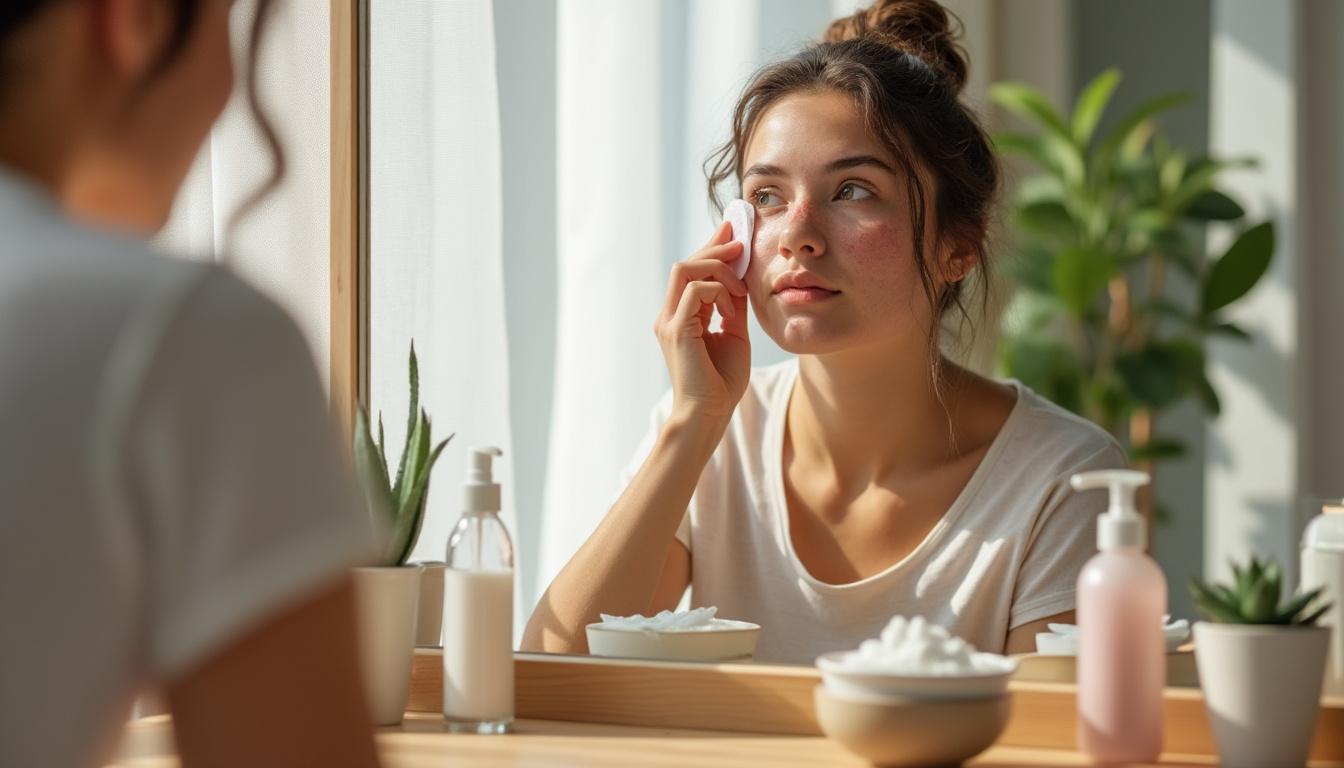
Understanding Skin Barrier and Its Role in Acne Management
The skin barrier serves as the frontline defense against external aggressors, maintaining moisture balance and preventing harmful bacteria from penetrating the skin. In acne-prone individuals, a compromised skin barrier due to excessive exfoliation, harsh products, or over-cleansing results in increased sensitivity and inflammation, ultimately worsening breakouts.
For instance, exfoliating too often or using abrasive scrubs can erode the skin surface, creating micro-tears that invite irritation and bacterial invasion. Overuse of active ingredients like benzoyl peroxide or retinoids without proper skin recovery phases can similarly damage the skin barrier, triggering rebound acne flare-ups.
Implementing a regimen that supports barrier repair while managing acne involves utilizing gentle, hydrating ingredients that calm inflammation. Ingredients like niacinamide reduce redness and improve the barrier function, while ceramides restore lipid layers. Sunscreen is a vital defense, especially when acne treatments sensitize skin to UV rays. It prevents not only sunburn but also post-inflammatory hyperpigmentation caused by acne lesions.
Understanding the relationship between your skin barrier and acne treatment helps prevent the common pitfall of treating acne too aggressively. Instead, balancing effective ingredients with barrier-friendly products leads to healthier, more resilient skin over time.

Product Buildup and Its Impact on Acne-Prone Skin
Another challenge in acne skincare is the accumulation of product buildup, especially when layering multiple treatments or using heavy formulations. This buildup can clog pores, leading directly to breakouts and persistent inflammation. For example, combining occlusive moisturizers with heavy makeup or layering several acne products at once without proper cleansing can leave residue that blocks pores.
To solve this, prioritize using non-comedogenic products and introducing new treatments gradually to allow your skin to adapt without overload. The skin should be thoroughly but gently cleansed of residual products at the end of the day, ensuring pores remain free.
Regularly cleaning tools such as makeup brushes and changing pillowcases is equally important to prevent bacterial transfer and product residue buildup. Neglecting these practices can sabotage your best efforts to clear acne.
Building an Effective Acne-Friendly Skincare Routine
Creating a skincare regimen optimized for acne-prone skin in 2026 demands a balance between active acne control and skin barrier maintenance. The primary goal is to reduce inflammation and clogged pores while harmonizing the skin’s natural functions.
Start with a twice-daily cleanse using a gentle, non-comedogenic cleanser that contains acne-fighting ingredients in mild concentrations. For example, salicylic acid-based cleansers are preferred for their ability to exfoliate inside the pore and dissolve excess sebum gently. Avoid abrasive scrubs or foaming cleansers that compromise the barrier.
Next, incorporate a lightweight moisturizer designed for oily or acne-prone skin with ingredients like hyaluronic acid and niacinamide that hydrate without clogging pores. Using non-comedogenic sunscreen daily with SPF 30 or higher is crucial to protect sensitive skin from UV damage and prevent hyperpigmentation after acne.
Spot treatments with benzoyl peroxide or salicylic acid applied only on inflamed pimples accelerate healing but should be used sparingly to avoid overdrying surrounding skin. Introducing each product one at a time allows you to gauge tolerance and prevent excessive skin irritation.
Here is a sample framework for an ideal acne-friendly routine:
| Time | Recommended Steps | Key Ingredients |
|---|---|---|
| Morning | Gentle cleansing, lightweight moisturizer with SPF, optional antioxidant serum | Salicylic acid, niacinamide, SPF 30+ mineral sunscreen |
| Evening | Gentle cleansing, acne treatment product, moisturizing | Benzoyl peroxide, retinoid, hyaluronic acid |
| Weekly | Clean makeup tools, exfoliate gently (1-2 times), assess skin changes | Exfoliants (AHA/BHA), antibacterial cleanser |
By following this framework, you allow the skin to heal, maintain the skin barrier, and control acne without triggering further irritation or clogged pores. For extra guidance on habit adjustments, consult experts such as those at HealthSpectra’s skincare advice.
Understanding the principles of building an acne-friendly routine and avoiding common pitfalls helps soothe skin irritation and promote lasting clarity.
Lifestyle Factors That Influence Acne and How to Modify Them
Skincare is only one aspect of acne management. Lifestyle habits substantially influence skin health and acne severity. Stress, diet, and hygiene practices can either aggravate or alleviate breakouts.
Stress triggers hormonal changes that boost sebum production and inflammation, fueling acne flare-ups. Incorporating stress-management techniques like yoga, meditation, or regular exercise can reduce these effects significantly. Moreover, maintaining a balanced diet low in processed sugars and dairy products is linked to fewer acne symptoms.
Hygiene-related habits play an unappreciated role. Frequent face touching, sleeping on unwashed pillowcases, and neglecting to clean makeup tools daily can transfer bacteria, oils, and product residue onto the skin, worsening clogged pores and inflammation. Cleaning pillowcases weekly, sanitizing phone screens, and regularly washing brushes avoid these pitfalls.
Resisting the urge to pick or pop pimples is critical. Such actions introduce bacteria deeper into pores, cause skin barrier damage, and can lead to scarring or pigmentation issues. Instead, targeted spot treatments apply localized relief while preventing injury to surrounding skin.
Adopting these lifestyle modifications alongside an appropriate skincare regimen offers a comprehensive approach to reducing acne severity while supporting overall skin health in 2026.
These changes empower a proactive approach to acne care, emphasizing gentle habits that respect the skin’s integrity and resilience.