
In the expansive world of skincare, the constant bombardment of new products and complex routines often leaves consumers overwhelmed and confused. Yet, an intriguing trend emerges as some find that their skin actually improves when they cease using skincare products altogether. This phenomenon challenges long-held beliefs about skin health, urging a reevaluation of how we care for our largest organ. As skincare enthusiasts navigate this paradox, understanding the skin’s innate abilities and the impact of overcare has become essential. Experts, dermatologists, and everyday skincare users alike are exploring how minimalism and balance in skincare can unlock authentic skin health and radiance.
Key takeaways:
- Your skin is a self-sufficient organ with natural mechanisms that may be disrupted by excessive product use.
- Overuse of skincare products can lead to irritation, sensitivity, and microbiome imbalance.
- Simplifying routines through minimalism often helps restore skin balance and vitality.
- Lifestyle factors including diet, hydration, and stress management significantly influence skin health.
- Mindful skincare involves listening to your skin and finding a balanced approach tailored to its unique needs.
The Skin’s Innate Ability to Maintain Itself Without Excess Products
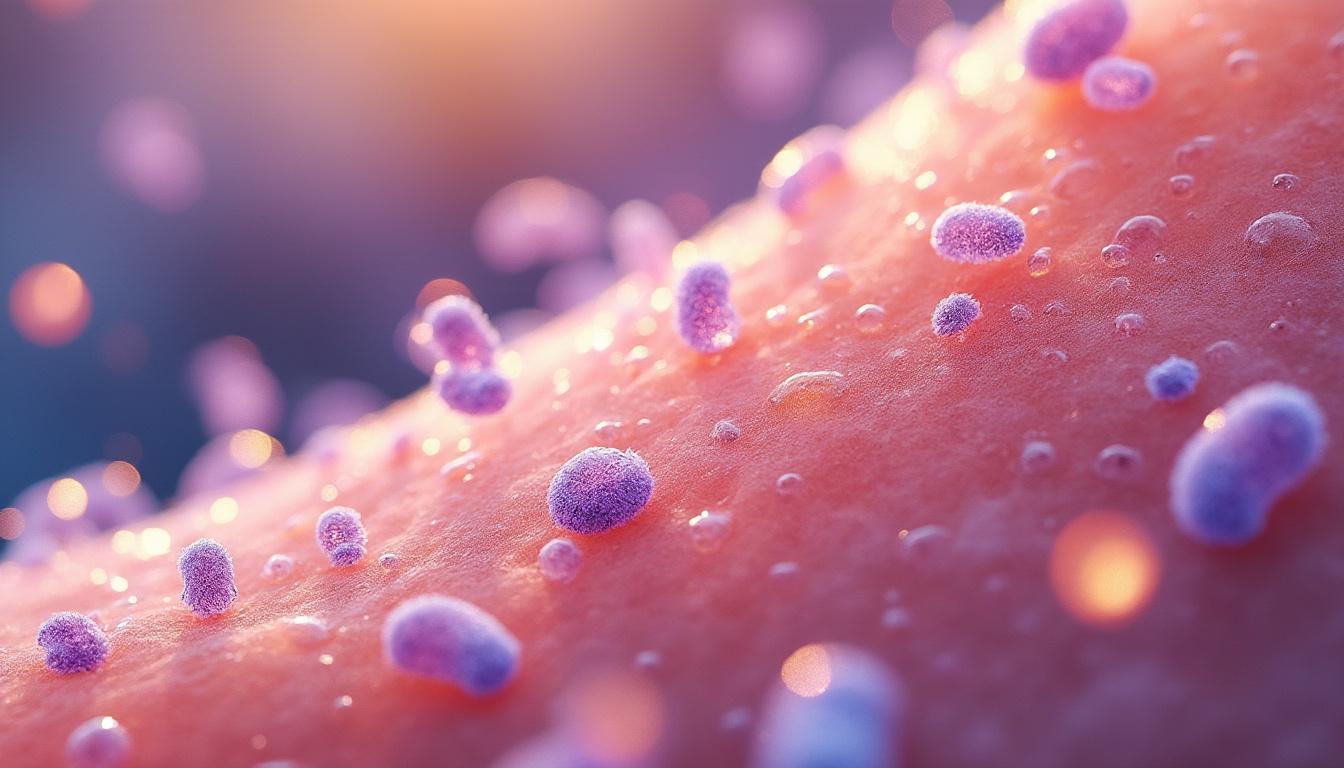
Our skin is a remarkable organ designed to operate independently, equipped with its own repair and regulatory systems. Its role extends beyond a mere protective covering; it acts as a barrier against pollutants, regulates body temperature, and maintains a delicate ecosystem through the skin microbiome. This microbiome, composed of beneficial bacteria, fungi, and other microorganisms, plays a crucial part in preserving skin health and protecting against pathogens.
The skin produces natural oils known as sebum, which lubricate and protect the skin’s surface. These oils work in harmony with sweat to form the acid mantle, a thin, protective layer that safeguards against external aggressors such as bacteria and environmental toxins. When left undisturbed, this mantle functions optimally, maintaining a balanced pH and promoting resilience.
When individuals flood their skin with numerous products, especially those containing harsh chemicals or strong actives like retinoids and acids, the natural balance can be disrupted. For example, aggressive exfoliation routines may remove more than dead skin cells, stripping the acid mantle and damaging the epidermal barrier. This makes the skin vulnerable to dryness, irritation, and sensitivity. By reducing or eliminating products, the skin is allowed to recalibrate, restoring its natural oil production and barrier function through its innate self-care mechanisms.
How Self-Regulation Enhances Skin Health
The concept of skin self-regulation hinges on the skin’s ability to adjust moisture levels, repair microdamage, and control oil secretion without external input. For instance, when moisture is abundant, the skin slows down its sebum production; alternatively, if the skin becomes dry, it ramps up oil secretion to retain hydration. By cutting back on excessive skincare steps, you provide the skin an opportunity to demonstrate this self-sufficiency.
Practical examples abound. Some individuals who cease applying moisturizers report an initial phase of dryness, followed by a natural increase in sebum production that ultimately leaves their skin feeling balanced and less oily or flaky. This phenomenon, observed in communities such as skin minimalism advocates, reveals fascinating insights into how less can sometimes be more for the skin.
In 2026, research highlights that minimal product interference supports the skin’s repair mechanisms, enabling it to recalibrate and defend itself effectively, reducing the chronic inflammation often triggered by continuous product application.
The Consequences of Skincare Overuse: When Too Much Becomes Harmful
While skincare products are formulated to improve skin health, their overuse, often driven by enticing marketing and societal pressure, can ironically exacerbate skin problems. Overcare manifests in several ways, each disrupting the natural balance and leading to sensitivity or breakouts.
Excessive Exfoliation and Barrier Damage
Exfoliation is included in many routines to remove dead skin cells and promote radiance. However, over-exfoliating, either with physical scrubs or chemical exfoliants like AHAs and BHAs, can damage the skin’s barrier. A weakened barrier loses its ability to retain moisture and protect against irritants, resulting in redness, dryness, and increased breakouts.
For example, a person using multiple exfoliating products daily might notice persistent irritation and flakiness, symptoms of a compromised barrier. The skin then requires a break from exfoliation to heal, which often involves halting all potentially irritating products to allow natural recovery.
Ingredient Overload Leading to Sensitivity
A typical skincare product may contain numerous active ingredients: retinol, niacinamide, vitamin C, peptides, and acids, to name a few. While individually beneficial, their combined use can overwhelm the skin’s tolerance and provoke sensitivity. This ingredient overload can trigger redness, dryness, and even allergic reactions.
Many dermatologists caution that layering too many treatments simultaneously raises the risk of irritation rather than improving skin health. Simplifying your routine by focusing on the essentials can mitigate this and allow the skin’s natural defenses to operate efficiently, as explained in expert reviews on why minimalism in skincare products is becoming a widely endorsed approach.
The Microbiome Disruption from Skincare Excess
Overusing products with strong preservatives, alcohols, or antibacterial agents can disrupt the skin’s microbiome — the ecosystem of microorganisms vital for immune defense and maintaining a healthy barrier. This disruption has been linked to chronic conditions such as acne, eczema, and rosacea, underscoring how product excess can cause unintended skin issues.
Cutting down products empowers the microbiome to recover, restoring equilibrium and fostering clearer, calmer skin. This strategy reflects a growing trend toward natural and minimalistic skincare, prioritizing health over heavy product use.
Embracing Skincare Minimalism: The Power of Simplification for Skin Health
The philosophy that “less is more” resonates strongly within the skincare industry and among consumers aiming for sustainable and effective self_care. Adopting a simplified routine not only cuts down daily hassle and expense but actively guards against overcare-related irritation and skin imbalance.
Essentials Over Excess
Instead of a multi-step regimen with myriad serums and creams, a minimalist routine narrows the focus to fundamental skincare steps:
- Gentle cleansing to remove dirt and pollutants without stripping natural oils.
- Proper moisturization adapted to individual skin type to maintain the barrier.
- Sun protection to defend against UV damage—a non-negotiable for skin health.
Such a routine respects the skin’s natural functions and avoids overwhelming it, preventing sensitivity and fostering a radiant complexion. This approach echoes the advice found in barefaced skincare essentials for a natural glow, where focusing on quality over quantity yields sustainable skin improvement.
Allowing the Skin to Breathe
Heavy or numerous products often form a layer that can clog pores and restrict the skin’s natural detox pathways. Facial skin, much like any living organ, relies on airflow and unblocked pores to stay healthy. Reducing product layers encourages pores to clear and reduces breakouts, especially for individuals prone to acne or oily skin.
This minimalism benefits not only skin texture but also overall skin health, reinforcing the concept that skincare is less about saturating your skin with products and more about supporting its innate resilience.
| Benefits of Skincare Minimalism | Potential Challenges | Ideal For |
|---|---|---|
| Reduces irritation and sensitivity | Initial dryness or flakiness during adjustment | Sensitive and reactive skin types |
| Restores skin barrier and microbiome balance | May not address certain skin conditions alone | Those with mild or no skin conditions |
| Simplifies daily routine and saves time | Requires patience and observation | Busy lifestyles, minimalists |
How Lifestyle and Psychological Factors Influence Skin Health Without Heavy Skincare Products
While external skincare routines are beneficial, internal health and mental wellbeing are fundamental to radiant skin, often superseding the effects of even the best skincare products.
Nutrition and Hydration: The Foundation of Skin Wellness
A diet rich in antioxidants, vitamins, and omega-3 fatty acids positively impacts skin health by combating oxidative stress and enhancing repair mechanisms. For example, incorporating foods such as berries, leafy greens, and fatty fish nurtures the skin from within. Hydration is equally important, as well-hydrated skin maintains elasticity and looks plumper, reducing the appearance of fine lines and tightness.
Sleep and Stress Management
Adequate sleep promotes cellular repair, critical for recovering from daily environmental stress. Chronic sleep deprivation can dull skin tone and exacerbate conditions like eczema and acne. Meanwhile, unmanaged stress triggers hormones that lead to inflammation and breakouts. Effective stress reduction techniques such as meditation and mindful breathing improve not just mental health but also the skin’s texture and clarity.
The Psychological Shift: Breaking Free From Skincare Dependence
Many develop an emotional reliance on extensive skincare routines, fearing deterioration without constant application. However, stepping away from products can be empowering. It resets perceptions, helps the skin resume its natural cycles, and reduces unnecessary expense and effort. This psychological shift nurtures a healthier relationship with one’s skin and promotes practices rooted in self_care and respect.