
Tranexamic acid has rapidly become a prominent ingredient in contemporary skincare, captivating the attention of dermatologists and beauty enthusiasts alike. Known primarily as a medication for controlling excessive bleeding, this synthetic amino acid derivative has found a powerful new role in addressing stubborn hyperpigmentation, dark spots, and melasma. As innovative formulations emerge onto the market, tranexamic acid offers a promising solution for those seeking to brighten their skin tone and restore radiance. Understanding its multifaceted benefits, mechanisms, and practical applications can empower skincare enthusiasts to integrate this rising star ingredient with confidence and safety.
Key Takeaways:
- Tranexamic acid is effective in reducing hyperpigmentation, melasma, and sun-induced dark spots by inhibiting melanin production and new blood vessel growth.
- It offers a gentler alternative to traditional bleaching agents like hydroquinone with generally fewer side effects.
- Available in topical and oral forms, topical use for skincare is preferred due to a better safety profile.
- Combination formulations pairing tranexamic acid with ingredients such as niacinamide, kojic acid, and vitamin C enhance skin brightening and texture improvement.
- Patience is crucial: Visible results may take 8 to 12 weeks or more, emphasizing the importance of consistency and proper usage.
How Tranexamic Acid Fades Dark Spots and Hyperpigmentation
Dark spots, whether triggered by UV exposure, hormonal changes, or post-inflammatory responses, are a primary concern tackled by tranexamic acid skincare products. These hyperpigmented patches result from the overproduction and accumulation of melanin, the pigment responsible for skin color. Tranexamic acid exhibits a unique ability to target this process by blocking pathways that lead to melanin synthesis and reducing angiogenesis, the formation of new blood vessels that can exacerbate pigmentation intensity.
Scientific studies, including small controlled trials, have demonstrated the efficacy of topical tranexamic acid in fading sunspots and melasma. In one notable 2014 study, subjects who applied a 3% tranexamic acid cream twice daily showed comparable improvements in UV-induced dark spots to those using a conventional treatment with hydroquinone combined with dexamethasone—but with fewer adverse reactions. This finding is pivotal because hydroquinone, although effective, often raises concerns due to its potential for irritation and long-term safety issues.
More recent research underscores the ability of tranexamic acid to reduce melasma by both lightening existing dark patches and hindering the expansion of pigmented areas. This dual action sets it apart from many skin-brightening agents that primarily focus only on melanin reduction. Moreover, tranexamic acid’s anti-inflammatory properties contribute to diminished skin irritation and redness, which often accompany hyperpigmentation disorders.
The dosage and formulation vary widely across studies and commercial products, ranging from 3% creams to 5% gels and serums. However, dermatologists emphasize the importance of integrating tranexamic acid within a comprehensive skincare routine that includes UV protection. Since sun exposure plays a critical role in initiating and worsening hyperpigmentation, consistent use of broad-spectrum sunscreen complements tranexamic acid’s benefits, preventing the rebound darkening of spots.
The table below summarizes key findings on tranexamic acid’s effects on common hyperpigmentation issues:
| Condition | Mechanism of Action | Typical Treatment Form | Reported Efficacy |
|---|---|---|---|
| Sunspots (UV-induced) | Inhibits melanin synthesis and prevents new blood vessel growth | Topical cream or serum (3%-5%) | Comparable to hydroquinone with fewer side effects |
| Melasma | Lightens dark patches and shrinks hyperpigmented areas | Topical gel or cream applied twice daily | Up to 78% reduction in pigmentation over 8 weeks |
| Post-inflammatory hyperpigmentation (e.g., acne scars) | Reduces melanin production, soothes inflammation | Serums combined with anti-inflammatory agents | Improves skin tone and reduces discoloration over months |
Exploring comprehensive reviews such as those available on Healthline’s guide to tranexamic acid skincare can provide further insight into the ongoing research and practical applications of this ingredient.
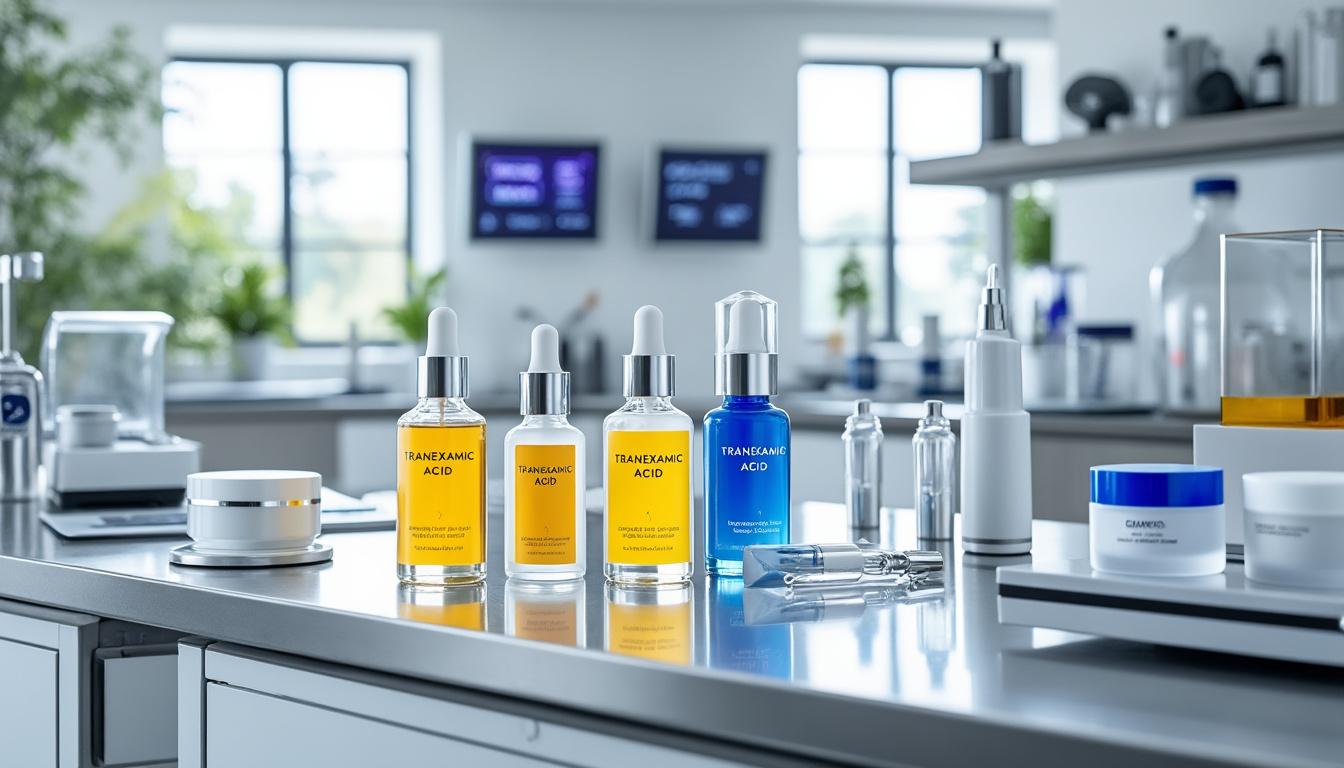
Incorporating Tranexamic Acid into Your Skin Care Routine Safely
Integrating a new active ingredient like tranexamic acid into your daily skincare regimen requires informed attention to usage guidelines and ingredient synergy. Unlike harsh bleaching agents, tranexamic acid is generally well-tolerated and suitable for various skin types, including sensitive skin, although patch testing is always recommended.
Most skincare products featuring tranexamic acid appear as serums, creams, or gels. Users typically apply these products once or twice daily, depending on the concentration and formulation instructions. It is wise to start with the minimum recommended dose and gradually increase if tolerated well by the skin.
Tranexamic acid shows optimal results when layered beneath moisturizers and combined with broad-spectrum UV protection. Sunscreen remains indispensable not only to enhance treatment efficacy but also to guard against the very ultraviolet damage that triggers dark spots and disrupts skin tone.
Because tranexamic acid’s mechanism involves reducing inflammation and melanin production, pairing it with complementary ingredients can amplify its benefits. Common additives include:
- Niacinamide: Known for its anti-inflammatory and pore-refining properties, it boosts skin’s barrier function and promotes even tone.
- Kojic Acid: A natural skin lightener that inhibits tyrosinase, synergizing with tranexamic acid to target pigmentation.
- Vitamin C Derivatives: Potent antioxidants like ethyl ascorbic acid enhance skin brightening and collagen support.
However, combining tranexamic acid with strong exfoliants or retinoids should be approached cautiously to avoid irritation. Consulting a dermatologist can help tailor a routine that fits your skin’s unique needs and sensitivities.
For comprehensive tips on safe integration, routine customization, and product recommendations, resources like OKDermo’s expert skincare guides are invaluable tools for skincare enthusiasts.
The Dual Forms of Tranexamic Acid: Topical vs. Oral Applications
While tranexamic acid is celebrated for its topical skin benefits, it originally gained prominence as a prescription medicine for controlling excessive bleeding by preventing fibrin clot breakdown. Its oral form has also been prescribed off-label for melasma treatment when topical applications fall short.
Oral tranexamic acid acts systemically, reducing pigmentation by inhibiting plasminogen activator in keratinocytes, which, in turn, lowers melanocyte-stimulating factors. Though effective, oral administration carries a higher risk profile, especially regarding blood clotting and other side effects such as abdominal discomfort, nausea, and rare neurological symptoms. Hence, oral tranexamic acid is generally reserved for severe or refractory cases, always under strict medical supervision.
On the contrary, topical applications allow for targeted treatment with a reduced risk of systemic side effects. The topical form is preferred for everyday hyperpigmentation care, offering gentler skin brightening and anti-inflammatory effects, which can soothe redness and irritation frequently accompanying pigmentation issues.
Below is an overview comparing topical and oral tranexamic acid for pigmentation management:
| Feature | Topical Tranexamic Acid | Oral Tranexamic Acid |
|---|---|---|
| Mode of Action | Local inhibition of melanin synthesis and angiogenesis | Systemic reduction of melanocyte stimulation and fibrinolysis inhibition |
| Indications | Hyperpigmentation, melasma, dark spots | Severe melasma, refractory pigmentation disorders |
| Safety Profile | Generally safe, low risk of irritation; patch testing recommended | Higher side effect risk; prescription-only; monitored use |
| Common Side Effects | Mild irritation or redness | Nausea, abdominal pain, swelling, rare neurological symptoms |
| Recommended For | All skin types, preventive and corrective use | Cases requiring stronger systemic treatment |
Discussion with a dermatologist is crucial before beginning oral therapy to evaluate contraindications such as a history of blood clotting disorders, pregnancy, or renal insufficiency.
Choosing the Best Tranexamic Acid Products for Effective Skin Brightening
The booming popularity of tranexamic acid has led to a diversified market of products, ranging from affordable serums to luxury formulations. Selecting the right product depends on your skin type, concerns, budget, and desired results.
Here are some well-regarded tranexamic acid-infused skincare options to consider:
- Best Overall Serum: Products combining tranexamic acid with niacinamide and kojic acid deliver enhanced brightening while soothing skin. These serums are often lightweight, ideal for layering in daily routines.
- Budget-Friendly Choice: Basic serums combining tranexamic acid and niacinamide provide good value and effective dark spot reduction for around $12 per bottle, making them great starter options.
- Luxury Option: High-end brands include additional ingredients like pearl essence, theanine, and vitamin C derivatives, offering a multi-sensory experience alongside potent brightening.
- Exfoliating Peels: Multi-acid peels with tranexamic acid accelerate cell turnover and brighten dull, uneven complexions, perfect for weekly treatments within a skincare regimen.
- Gentle Gels: Although sometimes carrying a mild sulfur scent, these products combine tranexamic acid with licorice root extract to reduce inflammation while lightening skin.
To maximize benefits, experts recommend patch testing new products, gradually introducing them, and consistently applying sunscreen. The visible improvement in skin tone and dark spot reduction typically emerges after several weeks or months of diligent use. Exploring user reviews and professional insights, including from trusted skincare sites, can help guide informed purchasing decisions tailored to personal skincare goals.

Exploring Tranexamic Acid’s Anti-inflammatory and UV Protective Actions
Besides its proven ability to reduce pigmentation, tranexamic acid exhibits valuable anti-inflammatory properties, which play a significant role in calming irritated skin and supporting skin barrier health. This effect is especially helpful for individuals with conditions like melasma where inflammation exacerbates pigmentation.
Emerging research details tranexamic acid’s potential in dampening swelling and redness linked to hereditary angioedema and persistent rashes. Though topical tranexamic acid is not a replacement for dedicated anti-inflammatory treatments, its soothing qualities contribute positively to overall skin condition.
Moreover, tranexamic acid complements UV protection strategies crucial to any skin care routine targeting pigmentation. By reducing blood vessel formation and melanin production, it indirectly bolsters skin’s resilience to UV-induced damage. This synergy highlights why dermatologists emphasize pairing tranexamic acid products with high-SPF, broad-spectrum sunscreens to maintain brightness and prevent new dark spots from developing.
When combined thoughtfully within a holistic skin care regimen that includes hydration, antioxidants, and sun protection, tranexamic acid helps create a balanced environment for skin renewal and glowing complexion. For readers eager to delve deeper into antioxidant-rich skincare combinations, Anua’s expert skincare set guide offers practical insights that support ideal skin health.