Mastering makeup and contour techniques has become an essential skill for anyone eager to achieve a flawless look. The art of face contouring goes beyond merely applying makeup—it’s about enhancing the natural structure of your face to highlight your best features and create a balanced, sculpted appearance. In 2026, makeup artistry continues to evolve with innovative products and smarter application methods, offering beauty enthusiasts unprecedented control over their looks. Whether you’re a beginner or looking to refine your makeup application, understanding the fundamental principles of contouring and highlighting will transform your daily routine and elevate your cosmetic results significantly.
Many makeup lovers might find themselves confused about the differences between contouring and bronzing or unsure which products to bring into their kits. The choice of contour techniques depends largely on your face shape, skin type, and the sort of look you want to create—be it subtle elegance or dramatic definition. More importantly, mastering blending and the use of complementary shades is key to maintaining a natural finish that doesn’t appear overly done. Today’s guide will explore everything you need to know, from product selection to expert tips on face contouring that will help you step up your makeup game effectively.
With countless tutorials available online, especially on platforms like TikTok and YouTube, it can be tempting to follow one-size-fits-all advice. However, personalized contouring techniques provide the best results. By focusing on tailored makeup application strategies for different face structures and skin tones, you can unlock a truly flawless look that’s both modern and timeless. Delve into this comprehensive makeup contouring guide to find out how you can sculpt, highlight, and blend like a professional artist while embracing your unique beauty.
In brief:
- Understanding the purpose of contouring and highlighting creates a sculpted, dimensional appearance.
- Choosing contour products compatible with your skin type and tone is crucial for a natural finish.
- Face contouring must be adapted to your specific face shape for the best effect.
- Proper makeup application and blending techniques prevent harsh lines and enhance longevity.
- Combining contour with bronzer and setting sprays improves makeup depth and durability.
Understanding the Essentials of Makeup Contour and Highlighting Techniques
Contouring and highlighting are sophisticated makeup techniques designed to manipulate light and shadow on the face, with the ultimate goal of enhancing natural features. The basic principle is simple: darker shades recede while lighter shades advance. This contrast tricks the eye into perceiving more sculpted, symmetrical facial dimensions. However, executing these techniques seamlessly requires understanding not only which areas to accentuate but also the selection of suitable products and tools.
For example, contouring typically involves applying deeper shades to the hollows beneath the cheekbones, along the sides of the nose, the jawline, and temples—areas where natural shadows occur. Highlighting uses lighter shades on areas such as the tops of cheekbones, the bridge of the nose, the brow bones, and the cupid’s bow to emphasize and catch light. This interplay between shadow and light creates a balanced depth that flatters any face shape.
Distinguishing contour from bronzer is essential for flawless makeup application. While contour products are usually cool-toned to mimic real shadows, bronzers tend to have warm undertones to add a subtle sun-kissed glow. Often, the two can be used in tandem to sculpt and warm the face effectively. For novices and advanced makeup wearers alike, pairing the right contour and highlighting products, such as concealers and powders designed specifically for these purposes, is foundational. For more advanced techniques and product recommendations, L’Oréal Paris provides an expert guide on contouring like a professional makeup artist.
Understanding this interplay serves as an invitation to explore deeper into makeup techniques, where blending becomes the linchpin for achieving natural-looking contours rather than stark lines. Tools like stippling brushes, beauty sponges, and buffing brushes facilitate seamless makeup application. Additionally, recent trends such as the “underpainting” method, popularized on social media, illustrate how applying contour before foundation can create more diffused, natural results. This versatility in technique showcases the evolving nature of makeup artistry in 2026.
Choosing the Best Contour Products and Tools for a Long-lasting Flawless Look
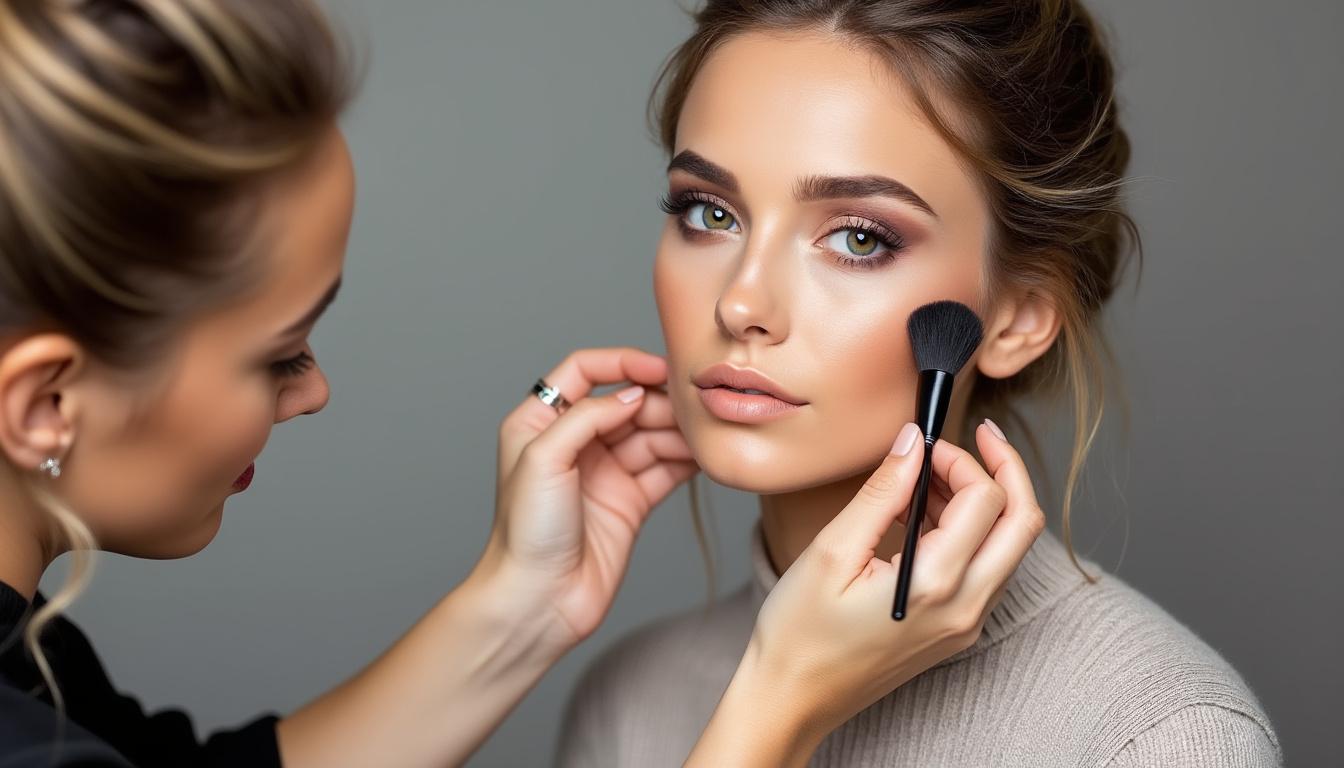
Selecting the right makeup products is paramount to executing effective face contouring. Depending on your skin type—whether oily, dry, or combination—the formula and texture of contour and highlight products will determine not only the finish but also wearability throughout the day. For oily skin, powders are often preferred for their matte finish and durability. Creams and liquids tend to offer better blendability and a dewy finish, which is ideal for dry skin types.
Among the diverse range, creams and sticks provide ease of application and blending, especially for makeup newcomers. Contouring with concealers is another innovative technique currently trending; picking concealers one or two shades deeper than your natural tone can achieve precise shadowing and sculpting. For instance, the L’Oréal Paris True Match Radiant Serum Concealer stands out for its versatility in contour and highlight applications. This dual-purpose product simplifies the routine by using shades lighter or darker than the skin tone.
High-quality brushes and sponges underpin flawless makeup application. The choice of tools—such as dense stippling brushes or damp beauty blenders—affects how seamlessly makeup blends into the skin, preventing harsh contour lines. Investing in brushes like those recommended in the IT Cosmetics brush guide for flawless makeup application ensures professionals and amateurs alike can create smooth transitions between highlight and contour shades.
Keep in mind that contouring is rarely done in isolation. Incorporating complementary products like setting sprays locks makeup in place to ensure your look remains fresh and flawless well into the day. The mattifying primers and long-wear setting sprays available today help maintain a refined finish regardless of environmental factors.
| Product Type | Best For | Finish | Example Products |
|---|---|---|---|
| Powder Contour | Oily and combination skin | Matte | L’Oréal Paris Infallible Up to 24H Fresh Wear Soft Matte Bronzer |
| Cream/Stick Contour | Dry or normal skin, beginners | Natural, blendable | L’Oréal Paris True Match Radiant Serum Concealer |
| Liquid Contour | All skin types, detailed application | Natural to dewy | Various brand-specific products |
| Setting Spray/Primer | All skin types | Makes makeup last longer | L’Oréal Paris Prime Lab Up to 24H Matte Setter, Infallible Pro-Spray & Set |
Mastering Contouring Techniques Tailored to Your Unique Face Shape
Achieving a flawless look through contouring is intimately tied to the shape of your face and the way light interacts with its natural planes. Applying makeup without considering your face shape can lead to uneven or unnatural results. There are six fundamental face shapes to consider: round, oval, square, heart-shaped, rectangular, and diamond. Each requires a distinct contouring approach to maximize definition and harmony.
Take the round face shape, for instance. Defined by its equal length and width with soft curves, the goal is to create the illusion of length and structure. Contouring along the temples, under the cheekbones, and around the jawline elongates the face subtly but effectively. Conversely, the square face benefits from contouring aimed at softening its strong angles—targeting the forehead corners, cheek hollows, and jawline smoothens the visual impact of the angular bones.
Heart-shaped faces, characterized by a wider forehead and narrowing jawline, require contouring under the cheekbones, temples, and jawline to create balance. Oval and rectangular faces, often seen as balanced or longer face shapes respectively, use contouring to enhance natural proportions or to soften angular edges.
Acquiring mastery over these techniques involves practice and experimentation. The “3” method provides beginners a straightforward guide—drawing a figure resembling the number three along the side of the face encompassing the forehead, cheekbone, and jawline—which covers key contour areas efficiently. You can find more detailed contouring strategies tailored to face shapes in specialized tutorials, including those shared by the beauty experts at Smytten.
Blending remains a vital step. Even the perfect contour application will fall flat without smooth transitions between light and dark areas. Using a gentle hand and blending tools ensures that your makeup looks professionally done and natural. After contouring, highlighting certain areas further enhances the sculpted effect and adds a fresh glow to the complexion.
Innovative Makeup Application Strategies for Flawless Contour and Highlighting
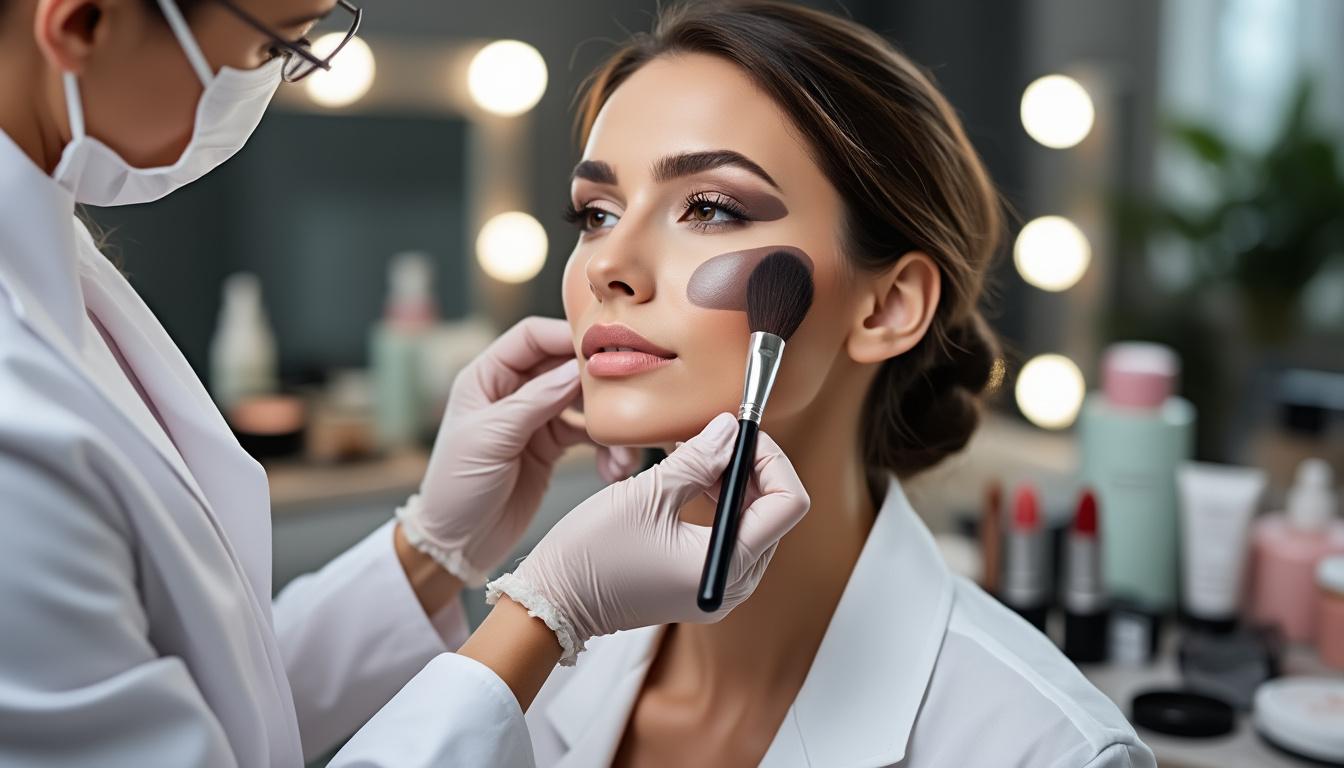
The application order of contour and highlight products can influence the final look’s intensity and texture. Traditionally, makeup artists applied foundation first to create an even base before layering contour and highlighting. This remains the most common approach for those aiming for well-defined, sculpted features. On the other hand, the rising trend of “underpainting”—where contour and blush are applied before foundation—has caught notable attention online. This technique softens the contour and integrates it more naturally into the skin, resulting in a more lived-in, subtle complexion.
Understanding which method suits your style and desired look is key. A bolder, dramatic appearance benefits from applying contour over foundation, enhancing definition and contrast. Meanwhile, underpainting lends itself to daytime looks providing natural warmth and dimension.
Proper blending techniques make or break any contouring effort. A light touch with stippling or buffing brushes ensures that harsh lines blur seamlessly. Careful layering and gradual build-up of intensity allow for controlled effects. Fixing products like setting powder or setting sprays play an important role in prolonging the makeup’s wear, especially during long days or special events.
Makeup enthusiasts also gain advantage by combining contouring with bronzing and highlighting steps. Using a bronzer sparingly in tandem with cool-toned contour products can add warmth and depth without compromising natural shadow effects. Complemented with a luminous highlighter, for example in the L’Oréal Paris True Match Lumi Glotion Natural Glow Enhancer, the face can appear radiant and dimensional. For insights into makeup tricks and tools that support flawless application, visit this ultimate guide on assembling your cosmetic makeup kit.
Essential Beauty Tips to Maintain Your Contoured Look Throughout the Day
Perfecting contouring techniques is only half the battle; maintaining the integrity of your makeup throughout the day is equally vital. Environmental conditions, skin type, and activity level influence how long your makeup will last and look fresh. Incorporating skincare as the foundational step cannot be overstated. Proper cleansing, moisturizing, and the use of a suitable primer dramatically improve the adherence and longevity of your makeup.
Mattifying primers like the L’Oréal Paris Prime Lab Up to 24H Matte Setter help control excess shine while providing a smooth canvas for makeup application. After contouring and highlighting, setting your makeup with long-lasting sprays or translucent powders locks everything in place, reducing smudging and fading. Reapplying setting spray midway through the day is an effective quick fix for maintaining the flawless look.
Additionally, carrying essential cosmetic tools in a well-organized makeup bag allows quick touch-ups when needed. Organization aids in keeping products hygienic and easily accessible, making it effortless to refresh your makeup. For advice on selecting the perfect makeup bag tailored to your needs, check out tips on how to choose the ideal makeup bag.
Lastly, understanding your own skin’s behavior, especially for those with oily or combination skin, lets you adapt your routine. Blotting papers, powder compacts, and multi-use sticks are staples in maintaining a fresh sculpted appearance without over-layering. Practical beauty tips like these empower makeup lovers in 2026 to sustain their flawless face contour look with confidence and ease.