
Maintaining clean makeup brushes is an essential step in cultivating a flawless look and preserving the health of your skin. Every day, these indispensable beauty tools collect a mixture of old makeup, oils, dirt, and bacteria, which can lead to clogged pores, breakouts, and uneven makeup application. Understanding how to wash makeup brushes properly is not just a matter of hygiene, but a crucial element to achieving smooth, streak-free makeup that accentuates your natural beauty. With advancements in brush cleansing techniques and products, 2026 offers numerous options tailored to different brush types and user needs, ensuring both your skin and brushes receive the best care possible.
From busy professionals who need quick yet effective routines to beauty enthusiasts who cherish their extensive brush collections, cleaning methods vary in complexity and purpose. Professional makeup artists at places like Sephora and MAC Cosmetics set the standard by sanitizing brushes between every client, realizing that contamination not only alters the makeup’s appearance but also risks client skin health. This elevated dedication underscores the importance of consistent brush cleaning, inspiring every makeup lover to adopt effective habits that safeguard their skin and investment.
But what exactly constitutes effective makeup brush washing? It goes beyond a quick rinse under the faucet—choosing the right brush cleanser, employing proper drying techniques, and following a regimen tailored to your tools’ materials and usage frequency are vital. This article unpacks these elements with practical insights and expert tips, making your beauty routine more hygienic, sustainable, and outcome-driven.
- Dirty brushes harbor bacteria that can cause acne, irritation, and infections, especially near sensitive eye areas.
- Proper washing enhances makeup application by preventing color contamination and streaking.
- Different brush types (natural, synthetic, mixed) require specific care for longevity and performance.
- Cleaning supplies matter: options range from gentle soaps and baby shampoo to professional brush cleansers and DIY solutions.
- Drying techniques are essential to avoid damage and preserve brush shape.
- Frequency of cleaning depends on brush use; foundation brushes need daily care, powder brushes less frequent deep cleansing.
- Proper storage post-cleaning protects brushes from dust and maintains hygiene.
Understanding Makeup Brush Types and Their Cleaning Requirements
Appreciating the diversity of makeup brushes is the first step toward establishing a successful cleaning routine. Brushes feature various materials and shapes designed to handle distinct cosmetic products, each influencing how they should be washed and maintained.
Natural Bristle Brushes: Soft Touch, Specific Care
Natural bristle brushes are crafted from animal hair such as goat, squirrel, or sable. These brushes excel with powder products, as their porous hair cuticles cling to pigment for a smooth, even finish. For instance, goat hair brushes are lauded for their luxurious softness and ability to pick up just the right amount of product without cakiness, while squirrel hair brushes create ultra-fluffy textures ideal for applying setting powders or blush with a feather-light touch.
Due to their organic composition, natural bristles demand gentle cleansing with mild soaps like baby shampoo or dedicated brush cleansers that preserve the natural oils essential for maintaining brush flexibility and softness. Harsh detergents or hot water can dry out these bristles, leading to increased shedding and a compromised makeup finish.
Synthetic Bristle Brushes: Versatility and Durability
Synthetic brushes made from fibers like taklon or nylon are engineered for liquid and cream products such as foundation and concealer. Unlike natural hair, these fibers do not absorb the product, allowing for a more controlled and even application. Synthetic brushes, popularized by brands like Real Techniques and EcoTools, come at a friendlier price point and are favored by those committed to cruelty-free beauty.
Cleaning synthetic bristles can tolerate a broader array of cleaning agents, including gentle dish soaps or specialized brush cleansers. They also dry faster, making daily or frequent washing more practical. However, consistent care is still important to maintain their shape and performance over time.
Mixed Bristle Brushes: The Best of Both Worlds
Some brushes combine natural and synthetic fibers, creating versatile tools capable of handling both powder and cream products effectively. These hybrids benefit from gentle cleaning practices used for natural hair, while also enjoying the durability of synthetics. Users appreciate these brushes for their adaptability and the smooth, polished results they deliver.
Brush Shapes and Cleaning Needs: Tailoring Your Approach
Brush density and shape significantly influence cleaning methods. Dense brushes like foundation and powder brushes trap makeup deeper within their tightly packed bristles, requiring more thorough washing to remove residue. Conversely, fluffy brushes used for blush and bronzer have looser bristles, allowing quick and easier cleaning. Precision brushes, such as those for eyeliner or lips, need gentle handling to maintain their fine tips. Frequent washing and delicate treatment are necessary to keep these small brushes sharp and effective.
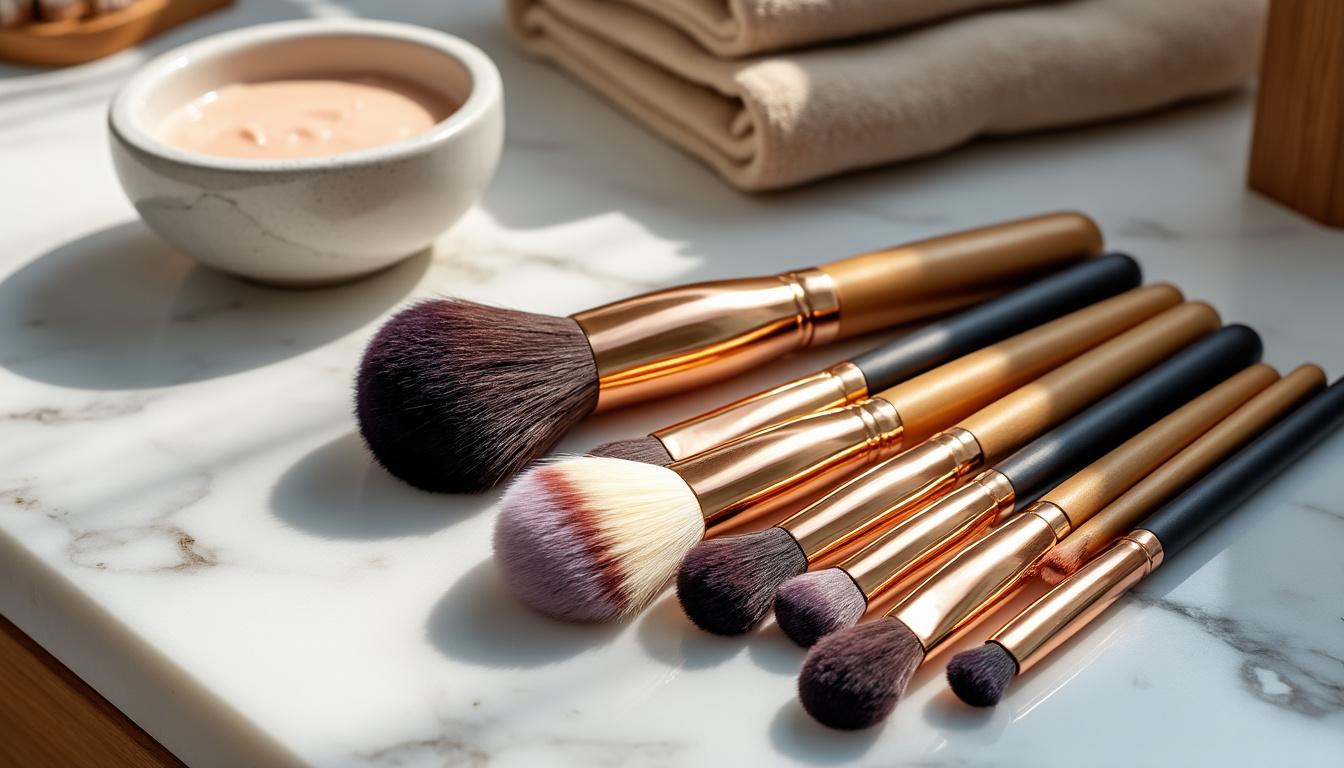
Why Regular Cleaning of Makeup Brushes is Crucial for Skin and Beauty
Daily exposure to environmental pollutants, sweat, dead skin cells, and leftover makeup makes brushes potential hotspots for bacteria. This microbial distribution on facial skin can quickly lead to breakouts, irritation, and even infections, especially around delicate eye areas. According to dermatologists, unclean brushes contribute significantly to clogged pores and exacerbate acne-prone skin conditions.
Cleaning your tools regularly not only maintains a hygienic beauty routine but directly boosts the quality of your makeup application. Dirty brushes cause colors to mix, resulting in muddy eyeshadow shades and uneven foundation coverage. Clean tools, by contrast, allow your products to glide effortlessly, delivering precise and vibrant results.
Impact on Skin Health
Using dirty makeup brushes repeatedly transports oils, dirt, and bacteria back to your face. This cycle can accelerate skin inflammation, leading to redness, irritation, and unsightly blemishes. Studies have shown significant improvement in skin clarity and reduction of irritation when makeup tools are cleaned as recommended.
Enhancements in Makeup Application
Old makeup residue within brushes distorts new product applications, impacting both texture and color. Enthusiasts may notice foundation looking patchy or eyeshadows appearing dull due to pigment contamination from prior use. Professionals always cleanse between uses to guarantee each client’s makeup maintains impeccable, fresh coverage. Following such expert advice can dramatically improve everyday makeup results.
Brush Longevity and Investment Preservation
Caring for makeup brushes ensures they retain their softness, shape, and function. Neglected brushes become stiff, shed more, and often require premature replacement, which can accumulate costs over time. High-quality brushes—especially those from brands like IT Cosmetics or Sigma Beauty—are better preserved with consistent cleaning, making the investment worthwhile for beauty aficionados who pursue flawless looks every day.
Essential Cleaning Supplies and Tools for Effective Makeup Brush Washing
Selecting the right products and tools is fundamental to maintaining clean, soft, and efficient makeup brushes. Whether you prefer affordable solutions or professional-grade cleansers, appreciating the benefits of each can make a real difference.
Gentle Soap Options: Baby Shampoo and Beyond
Baby shampoos such as Johnson’s are widely recommended for their gentle cleansing properties. They effectively remove makeup without stripping natural oils, making them ideal for natural and synthetic bristles alike. Cost-effective and readily available, baby shampoos provide excellent results without the harsh chemicals found in many household soaps.
Professional Brush Cleansers
For those owning extensive or high-end collections, investing in professional brush cleansers like Cinema Secrets or Parian Spirit can streamline the cleaning process with superior efficacy. These cleansers often sanitize and condition simultaneously, saving time and enhancing brush longevity. They are particularly useful for stubborn residue from long-wear or waterproof formulas.
DIY Cleaning Solutions
Budget-conscious users often turn to homemade cleaning mixtures. A popular recipe pairs gentle dish soap with extra virgin olive oil: the oil dissolves tough, waterproof makeup, while the soap removes oils and dirt. Another favorite combines baby shampoo with witch hazel for a mild antiseptic effect. These blends provide cleaning power without compromising brush softness.
Other Useful Tools
- Microfiber towels for gentle water removal without damaging bristles.
- Silicone cleaning mats facilitate deep cleaning by providing textured surfaces to agitate brushes gently.
- Brush guards or mesh sleeves preserve the shape of brushes during drying.
- Brush drying racks help position brushes at optimal angles, speeding drying and preventing damage.
| Cleaning Supply | Purpose | Best For | Price Range |
|---|---|---|---|
| Baby Shampoo | Gentle cleansing without damage | All brush types, especially natural bristles | Low |
| Cinema Secrets | Professional sanitization and conditioning | High-end, stubborn makeup buildup | Medium to High |
| Dish Soap & Olive Oil (DIY) | Deep cleaning and dissolving waterproof makeup | Synthetic and natural brushes with heavy buildup | Low |
| Parian Spirit (Alcohol-based) | Quick sanitizing | Quick daily cleanse for oil control | Medium |
Step-by-Step Techniques for Washing and Drying Makeup Brushes Correctly
Achieving a flawless look necessitates meticulous cleaning and drying of makeup brushes. Following the correct steps not only ensures hygiene but extends brush life and optimizes beauty results.
Proper Washing Procedure
Begin by rinsing brushes under lukewarm water with bristles pointing downward at a 45-degree angle. This practice prevents water from weakening the glue at the ferrule, where bristles connect to the handle. Avoid hot water, which can cause shedding and warp handles.
Next, apply a small amount of your chosen brush cleanser or gentle soap either to the palm of your hand or a silicone cleaning mat. Swirl the brush bristles in gentle circular motions to lift away makeup residue without stripping natural oils or damaging the shape. For dense brushes like foundations, ensure soap penetrates to the base of bristles where most buildup accumulates.
After creating a rich lather, rinse under lukewarm water until the water runs clear. Repeat if necessary. Be sure to remove all soap to avoid bristle stiffness. Gently squeeze out excess water with a clean microfiber towel.
Effective Drying Techniques
Proper drying preserves brush shape and prevents bacterial growth. Place brushes flat on a clean towel with bristles hanging slightly off the edge of a counter or use dedicated drying racks angled downward to allow water to drain away from the ferrules. Avoid storing brushes upright while wet as water may penetrate the adhesive and cause shedding.
If using brush guards, fit them over bristles while drying to maintain pointed or rounded shapes. This practice is especially important for delicate natural brushes prone to deformation. Let brushes air dry in a room with good ventilation, away from direct heat or sunlight, allowing 4 to 12 hours depending on brush density.
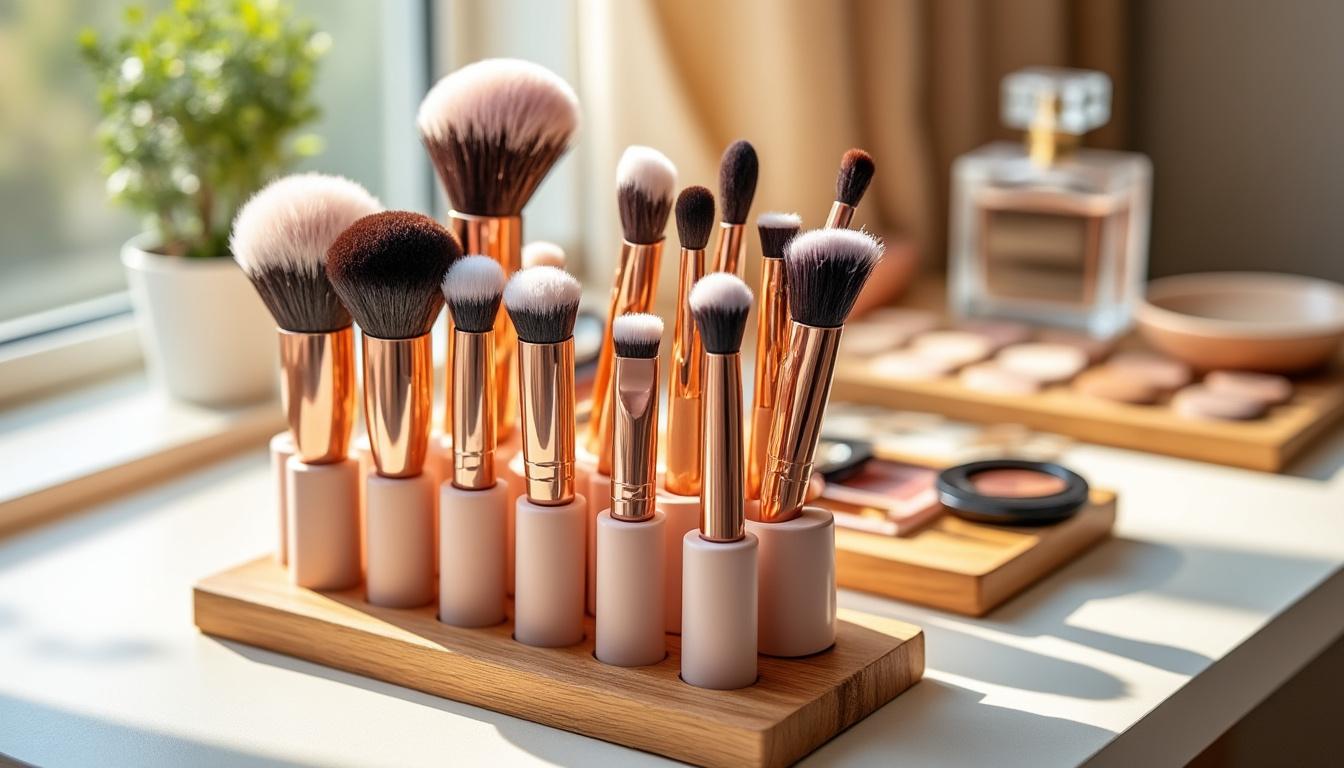
Recommended Cleaning Schedules and Tips for Maintaining Your Makeup Brushes
Establishing a cleaning routine tailored to the type and frequency of makeup application is fundamental for optimal skin health and brush performance.
- Foundation and concealer brushes: Clean daily after use due to liquid product buildup that fosters bacteria growth.
- Powder brushes: Can be cleaned after 2-3 uses; spot cleaning helps maintain hygiene between deep washes.
- Eye makeup brushes: Require weekly deep cleaning to prevent color mixing and irritation around sensitive eyes.
- Blush, bronzer, lip, and specialty brushes: Should be washed weekly or after every few uses depending on the product’s nature and usage frequency.
- Monthly deep clean: All brushes, including rarely used ones, should receive a thorough wash to prevent buildup and contamination.
Regular assessments of brush condition help determine when replacement is necessary. Brushes exhibiting excessive shedding, shape distortion, or persistent odors should be retired to protect both your beauty routine and skin health.
Practical Tips for Cleanliness and Longevity
- Always hold brushes downward during washing and rinsing to protect the glue holding bristles.
- Avoid soaking brushes that have wooden handles or delicate ferrules.
- Use gentle soaps free from sulfates, alcohol, and artificial fragrances to prevent stripping oils and causing bristle damage.
- Utilize brush guards both for drying and storage to maintain shape and hygiene.
- Replace worn and shedding brushes promptly to ensure flawless makeup results and skin safety.
For further expert guidance on maintaining spotless and effective brushes, resources like this detailed Ulta Beauty guide and the professional tips shared by Ipsy’s blog offer valuable in-depth information, blending expert advice with practical routines.
Mastering makeup brush cleaning transforms your beauty tools from potential skin irritants into your best allies for a flawless look, making the effort a vital, rewarding part of any skincare and makeup routine.