Chinese makeup has long captivated beauty enthusiasts around the world, seamlessly marrying centuries-old traditions with vibrant modern trends. Deeply rooted in cultural symbolism and aesthetic philosophies, Chinese makeup reflects the nation’s rich history, evolving beauty ideals, and current social dynamics. From the ethereal, pale skin of ancient nobility to the bold, playful expressions dominating Douyin feeds today, these cosmetics and skincare routines reveal much about identity, elegance, and innovation. Beauty trends in China continue to shift quickly, influenced by K-beauty’s minimalist flair, increasing emphasis on natural looks, and daring bold colors that push conventional boundaries. As Chinese women express themselves through unique eyeliner styles and subtle contouring methods, the cosmetic landscape is becoming a fascinating fusion of old-world grace and 21st-century creativity.
Brief overview:
- Chinese makeup emphasizes luminous, pale skin and delicate enhancement rooted in tradition.
- Modern beauty trends blend natural aesthetics with bold colors, influenced by K-beauty and social media platforms.
- Signature makeup techniques include gradient lips, feathered brows, and silk-like eyeliner.
- Asian cosmetics focus on skincare-first approaches to support flawless makeup application.
- Understanding cultural heritage is essential to appreciating and mastering Chinese makeup styles.
The Evolution of Chinese Makeup: From Ancient Symbolism to Contemporary Beauty Trends
Chinese makeup is more than just a way to adorn the face; it is a canvas that reflects deep cultural values and history. Dating back thousands of years, makeup in ancient Chinese dynasties symbolized social status, virtues, and ceremonies. Pale, luminous skin was paramount, symbolizing purity and class, achieved through powdered lead or white powders despite risks. This porcelain complexion has endured into modern aesthetics, though safer and more sophisticated products have replaced outdated methods.
Eyebrows were traditionally shaped as straight or softly rounded, a style believed to reflect wisdom and serenity, critical qualities in Confucian philosophy. The subtle sculpting of the eyes sought to invoke harmony and grace rather than bold electric contrasts. Blush was applied sparingly in soft shades of peach or rose to enhance natural vitality without overpowering the gentle countenance.
Fast forward to contemporary China, and the makeup scene is unmistakably dynamic. Social media portals like Douyin have accelerated the rate at which beauty trends evolve, introducing dazzling variations ranging from soft glam to vivid, theatrical styles. Alongside this, the growing global influence of K-beauty introduces components such as gradient lips and dew-like skin finishes characterized by luminance rather than glitter.
Many contemporary Chinese makeup enthusiasts balance tradition and innovation, honoring classic motifs while embracing cutting-edge techniques such as precise eyeliner styles and contouring methods fashioned to gently define facial structure without harshness. These methods are executed with artistry that respects the virtues of balance and moderation embedded in Chinese aesthetics—underscoring that makeup is less about covering flaws and more about enhancing one’s inherent beauty with subtlety and sophistication.
Mastering Chinese Makeup Techniques: Step-by-Step Guide to Achieving the Signature Look
Achieving an authentic Chinese makeup look requires an understanding of essential principles prioritized in Asian cosmetics: purity, symmetry, and softness. The goal is to enhance natural features quietly, allowing grace and harmony to shine through. Below is a detailed guide outlining the fundamental steps and products recommended to recreate this timeless beauty aesthetic.
Step 1: Preparing the Skin
Any successful makeup routine starts with a solid skincare routine. Hydration is key—using essence, moisturizer, and sunscreen creates a healthy, glowing base essential for the complexion’s soft radiance. Asian cosmetics emphasize skincare-first philosophies to support flawless application of makeup later. A plump, well-moisturized canvas allows lightweight foundation or BB cream to sit naturally, avoiding cakey or heavy effects that conceal the skin’s true texture.
Step 2: Creating a Porcelain-Skin Base
Chinese beauty favors a pale, refined skin tone with a subtle glow reminiscent of porcelain. Opt for lightweight foundations or BB creams offering dewy or soft-matte finishes that even out skin tone without masking it. Apply using a cushion puff or makeup sponge to gently press product into the skin for a feather-light appearance. Set the base using a translucent powder, focusing mainly on the T-zone to prevent excess shine while keeping cheeks luminous.
Step 3: Soft Brow Definition
Brow shaping follows traditional Chinese ideals of straight or gently arched brows with a natural, feathered effect. Use taupe or ash-brown brow pencils to fill in sparse areas with light, upward strokes. Avoid harsh, dramatic angles as the emphasis lies on balance and softness, framing the eyes while maintaining a youthful, refined look.
Step 4: Subtle Eye Contouring and Eyeliner
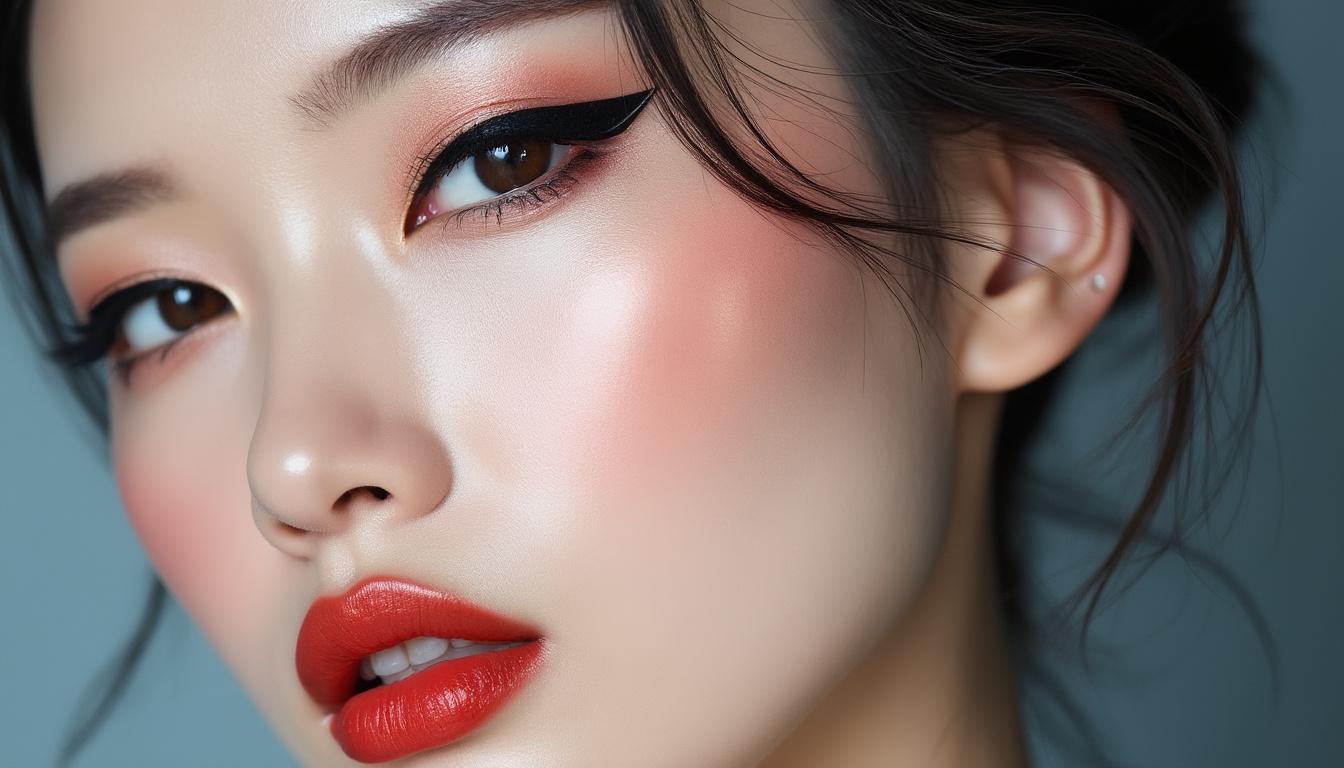
A neutral-toned eyeshadow palette featuring peach, tea-brown, or dusty rose shades is ideal. Sweep shadow gently across lids, placing a slightly deeper tone at the outer corners for lift and depth. Precise eyeliner styles, such as a thin, silk-like wing in black or brown tones, subtly elongate the eyes while preserving softness. Lower lashes can be delicately emphasized with a soft smudge of taupe shadow and fine mascara accents applied mainly on outer sections to open the eyes naturally.
Step 5: Application of Blush and Highlighter
Blush imitates the soft flush of youth, focusing on peach or rose tones. The technique of blush draping—where color is diffused lightly from cheekbones toward the temples—creates a lifted, cloud-soft effect. Highlighter is applied sparingly in a pearlescent, dew-like finish at the high points of the face including cheekbones and brow bones, imparting a lit-from-within radiance without glitter or sparkle.
Step 6: The Iconic Gradient Lips
This classic technique creates lips that appear plump and delicate. Start by muting the lips with balm or concealer, then apply a red or pink lip tint to the center. Blend outwards meticulously with a fingertip or brush for a seamless fade toward the edges. This gradient effect is synonymous with youthful charm and adds subtle focus to the face without overpowering other features.
For a deeper, modern twist, some opt for lacquered cherry lips featuring a rich glossy finish with sharp lip lining, inspired by traditional red hues worn with Hanfu attire but reinterpreted with urban polish. This technique showcases how Chinese makeup merges classical symbolism with contemporary spirit.
Explore more on how to do Chinese makeup with traditional elegance and modern insights.
Chinese Beauty Trends of 2026: Balancing Heritage with Bold Innovations
Today’s Chinese makeup scene is a vibrant playground where cultural heritage and modern innovation coexist. The year 2026 sees a variety of beauty trends gaining traction across generations, powered by ever-evolving social platforms like Douyin and the enduring influence of Korean minimalism. These trends reflect a broader shift in Chinese beauty standards that favor diversity, self-expression, and confidence over rigid ideals.
Among the most popular contemporary movements is natural look makeup, characterized by radiant skin, minimal eyeliner, and soft peach tones on cheeks and lips. This style celebrates the barest enhancement, playing on skincare routines that emphasize health and luminosity, hallmarks of quality Asian cosmetics.
Contrastingly, bold colors and shimmering textures define another sphere of creative expression. Many younger consumers experiment with dramatic eyeliner styles featuring winged liquid liner, faux lashes, and gradient lip stains punctuated by vibrant, lacquered reds or berry tones. This playfulness pairs well with street fashion and postmodern aesthetics, highlighting an evolving attitude toward personal flair.
The resurgence of Hanfu-inspired makeup also demonstrates respect for traditional culture, incorporating distinct elements such as red lips evoking classical Chinese beauty and symbolic forehead adornments that speak to spiritual and ceremonial significance. These looks inspire makeup artists and enthusiasts eager to honor heritage through contemporary fashion.
- Douyin Glam: Dramatic, glitter-infused eye looks and bold lip colors.
- Hanfu Makeup: Red lips, flushed cheeks, and forehead markings inspired by traditional Chinese attire.
- Youthful Minimalism: Dewy skin, soft blush, and muted eyeliner for everyday wear.
- Gradient Lips: Soft-focus ombré lip stain technique popular beyond China.
- Feathered Brows: Gentle arches that balance facial features naturally.
These trends showcase the complexity and creativity that define modern Chinese beauty today. Brands focusing on Asian cosmetics are leveraging these preferences to develop products ideal for layering light, breathable makeup over well-maintained skin. For anyone passionate about beauty innovation or cultural aesthetics, understanding these trends offers valuable insights into China’s booming beauty market.
Comparing Traditional and Modern Chinese Skincare Routines Supporting Makeup Perfection
Behind every iconic Chinese makeup look lies a meticulous skincare routine. Traditionally, skincare habits evolved around herbal formulations and natural remedies to maintain the delicate skin idealized by society. Today, Chinese skincare routines combine these time-tested practices with cutting-edge technology and ingredient research, forming a foundation that elevates makeup application to artistry.
The modern regimen often begins with double cleansing followed by hydrating toners, essences, serums with active ingredients like hyaluronic acid or niacinamide, and rich yet non-greasy moisturizers. Sunscreen is non-negotiable to protect the pale, luminous skin that continues to define Chinese beauty ideals. This emphasis on skin health and nourishment ensures that makeup, particularly light foundations and BB creams favored in Chinese makeup, glide on effortlessly, delivering a flawless finish.
New to 2026 skincare are innovative products that blur the line between makeup and treatment, such as tinted moisturizers infused with skin-brightening agents, and translucent powders that protect and perfect skin without drying. The focus is on enhancing natural glow rather than masking imperfections.
| Traditional Skincare Practices | Modern Skincare Innovations (2026) |
|---|---|
| Herbal cleansing with green tea and rice water | Double cleansing with gentle oils and water-based cleansers |
| Use of natural moisturizers like sesame oil | Hydrating serums with hyaluronic acid and niacinamide |
| Sunscreen mostly avoided or rudimentary | Advanced broad-spectrum sunscreens tailored for Asian skin types |
| Traditional masks (rice flour, pearl powder) | Sheet masks enriched with peptides and antioxidants |
| Minimal emphasis on exfoliation | Weekly gentle chemical exfoliants (AHA/BHA) for skin renewal |
Understanding this evolution from traditional to modern skincare highlights the crucial relationship between healthy skin and successful makeup application. Brands excelling in Chinese makeup emphasize products that nourish first before enhancing, aligning with consumers’ growing sophistication regarding skin health and beauty.
How Chinese Makeup Influences Global Beauty and the Future of Asian Cosmetics
The rising global fascination with Chinese makeup techniques and beauty trends signals a significant shift in the international cosmetics landscape. Once dominated by Western influences, the beauty industry today increasingly incorporates Asian cosmetics philosophies centered on skincare, natural looks, and delicate artistry.
Chinese makeup’s emphasis on radiant skin, subtle eyeliner styles, and gradient lips blends well with global trends that prefer wearable yet expressive aesthetics. The convergence of technology, culture, and social media creates opportunities for brands and artists to innovate while preserving cultural authenticity. Many Chinese cosmetic companies are now competing globally, exporting products that combine heritage-inspired ingredients with modern formulas.
As beauty consumers worldwide seek diversity, the Chinese approach offers lessons on balance, restraint, and celebrating individuality. This influence also reflects growing awareness of varied beauty standards beyond Eurocentric ideals, advocating for more inclusive representations.
With Chinese beauty standards evolving to stress confidence and self-expression as much as tradition, the future of Asian cosmetics looks promising. International collaborations and education programs such as those at Makeup Atelier Training Center Dubai help spread expertise in these sophisticated techniques, inviting a broader audience to appreciate and master Chinese makeup artistry.
To delve deeper into the cultural background enriching these trends, explore Chinese makeup and culture for a comprehensive perspective on how art, history, and beauty intersect in this vibrant domain.