
In 2026, the pursuit of flawless skin free from persistent breakouts remains a vital concern for millions worldwide. Acne-prone individuals often find themselves trapped between wanting to enhance their appearance with makeup and fearing that these cosmetic choices may aggravate their blemished skin. The beauty landscape, however, has evolved significantly, offering an impressive array of acne safe makeup products that hold the promise of both coverage and skincare benefits. This comprehensive guide shines a light on non comedogenic, oil free, and acne friendly products designed exclusively for sensitive and blemish prone skin, helping readers make informed decisions to prevent pimples without compromising their beauty routines.
Key Takeaways:
- Understanding non comedogenic and oil free formulations is essential to choosing makeup that does not clog pores or trigger breakouts.
- Skincare and makeup integration is critical for effective pimple prevention and maintaining skin health while enjoying cosmetics.
- A curated list of acne safe products, ranging from primers to setting sprays, offers alternatives that respect sensitive skin.
- Application techniques and hygiene dramatically influence makeup’s impact on acne prone skin.
- Expert insights and dermatological guidance empower consumers to navigate beauty aisles smartly amidst evolving product innovations.
Understanding Acne Safe Makeup Products: Ingredients, Formulations, and Skin Compatibility
For those with blemish prone or sensitive skin, distinguishing acne safe makeup products from others has never been more crucial. Makeup items that claim to be “non comedogenic” are specifically formulated to avoid clogging pores—an important factor in pimple prevention. Nevertheless, the term lacks strict regulation, so awareness of ingredients and skin compatibility is paramount.
Acne safe makeup prioritizes free-from comedogenic oils, heavy silicones, and certain waxes known to trap sebum and bacteria, fostering breakouts. Instead, these products use lightweight, oil-free bases, mineral powders, and hydrating yet breathable agents that allow the skin to maintain its natural balance.
Common non comedogenic ingredients often include:
- Zinc oxide and titanium dioxide—common mineral sunscreens and pigments that soothe and protect skin.
- Hyaluronic acid—provides lightweight hydration without greasiness.
- Salicylic acid—incorporated in some foundations or primers to gently exfoliate and clear pores.
- Glycerin and squalane—mild moisturizers compatible with sensitive skin.
In contrast, ingredients to avoid or approach cautiously include:
- Coconut oil and cocoa butter, often too heavy for acne prone skin.
- Isopropyl myristate, which has high comedogenic potential.
- Fragrance and alcohol denat., since they can irritate sensitive or inflamed skin.
- Heavy silicones that may suffocate pores with prolonged use in some skin types.
Choosing acne safe makeup means understanding the interplay between product formulation and individual skin reaction. For example, oily skin may benefit greatly from mattifying, oil free foundations like the Fenty Pro Filt’r Soft Matte Longwear Foundation, which provides long-lasting coverage without contributing to excess sebum. Dry sensitive skin types, on the other hand, might favor tinted moisturizers enriched with hyaluronic acid, such as iT Cosmetics CC+ Nude Glow Lightweight Foundation, for hydration and luminosity without pore congestion.
Beyond individual ingredients, advances in cosmetic science in recent years have led to innovative textures that blend makeup with skincare benefits. Many brands now include antioxidants, peptides, and acne-treating compounds within foundations and primers, effectively bridging cosmetic beauty and skin health in one product.
Non Comedogenic Does Not Always Mean Acne Proof
Despite their promising labels, products described as non comedogenic or oil free might still provoke breakouts in certain users, due to factors like unique skin sensitivities or irritation from other components. This nuance reminds us that patch testing new makeup products and monitoring skin response is a non-negotiable step for acne prone individuals.
Careful product rotation and coordination with an established skincare routine refine the balance needed to avoid new pimples while enjoying makeup. It’s also important to note that environmental factors, hormonal shifts, and lifestyle contribute heavily to acne flare-ups, so makeup usage is part of a multifaceted equation.
To keep your routine safe and effective, consider consulting resources such as the dermatologist-approved guide to acne safe makeup brands that carefully track formulations and ingredient updates, providing reliable, up-to-date recommendations.
Choosing the Best Foundations and Concealers for Acne Prone Skin
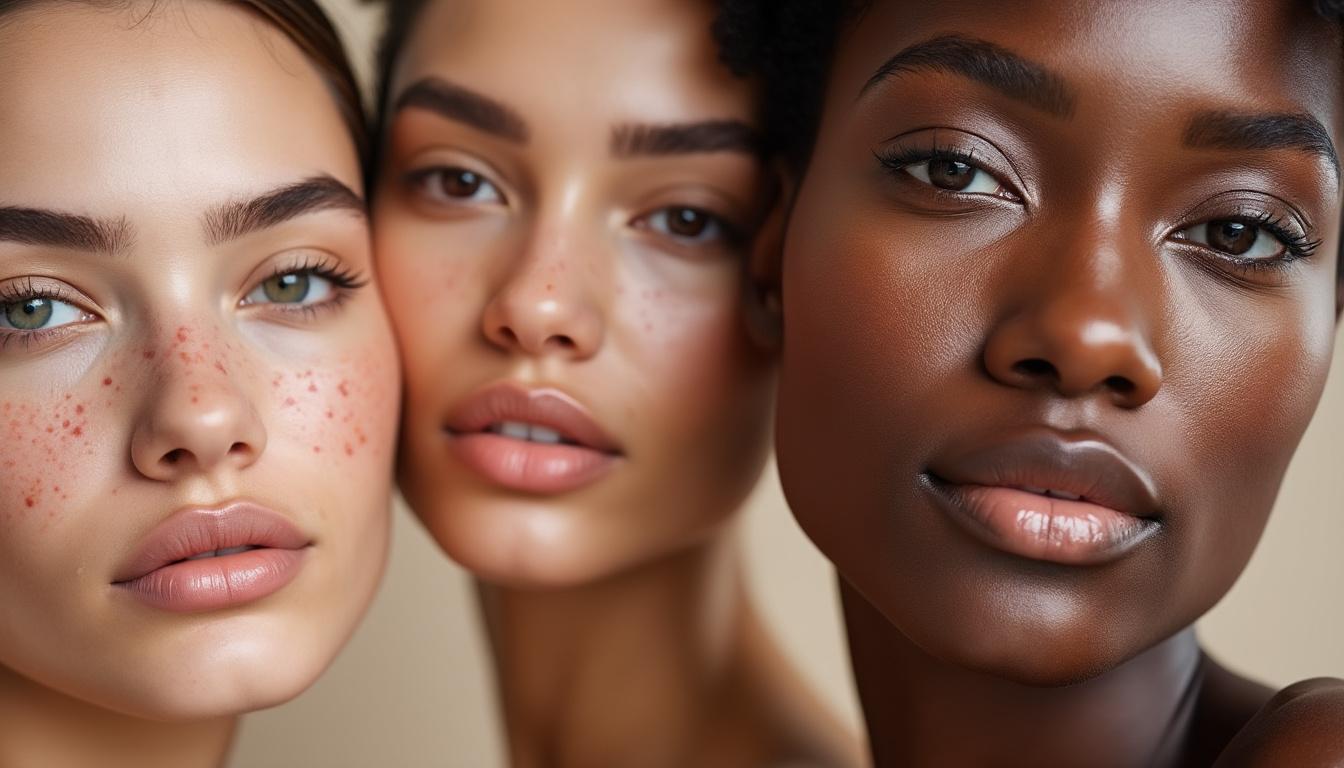
Foundation and concealer often form the backbone of makeup routines but pose challenges for those wary of aggravating blemishes. Selecting formulas designed for acne safe wear supports pimple prevention without sacrificing coverage.
Liquid foundations that proclaim non comedogenic and oil free properties are usually excellent starting points. For instance, products like the Dermablend Flawless Creator Foundation or Maybelline Superstay Full Coverage Foundation combine lasting coverage and breathable textures that reduce pore blockage.
Cream stick foundations, like the Tom Ford Traceless Foundation Stick, offer a controlled application with often clean, simple ingredients that minimize irritation risks. Another option for those seeking lighter coverage includes BB or CC creams such as iT Cosmetics CC+ Nude Glow, which blend sheer tint with antioxidant and hydrating ingredients, ideal for sensitive, blemish prone skin.
When it comes to concealers, look for hydrating, non comedogenic formulas that address redness and dark spots without thickening pores. Options like bareMinerals Broad Spectrum Concealer and Urban Decay Stay Naked Correcting Concealer are frequently praised for their blendability and gentle finish.
It’s also crucial to remember that the application method impacts makeup safety. Utilizing clean brushes or disposable sponges reduces bacterial contamination that exacerbates acne. Avoiding direct finger application, which transfers oils and bacteria, can make a striking difference over time. Daily cleaning of tools supports skin care and makeup compatibility.
To better organize your product choices, here is a detailed table illustrating popular acne safe foundations and concealers widely recognized by dermatologists and beauty professionals:
| Product Type | Recommended Products | Key Features |
|---|---|---|
| Liquid Foundations | Fenty Pro Filt’r Soft Matte, Dermablend Flawless, Maybelline Superstay Full Coverage | Oil free, long-lasting, breathable, non comedogenic, various finishes |
| Cream Stick Foundations | Tom Ford Traceless Foundation Stick | Non irritating, moisturizing, controlled coverage |
| BB/CC Creams | iT Cosmetics CC+ Nude Glow | Light coverage, hydrating, antioxidant enriched |
| Concealers | bareMinerals Broad Spectrum, Urban Decay Stay Naked | Hydrating, lightweight, blendable, non comedogenic |
Primer and Setting Products: The Unsung Heroes of Acne Friendly Makeup
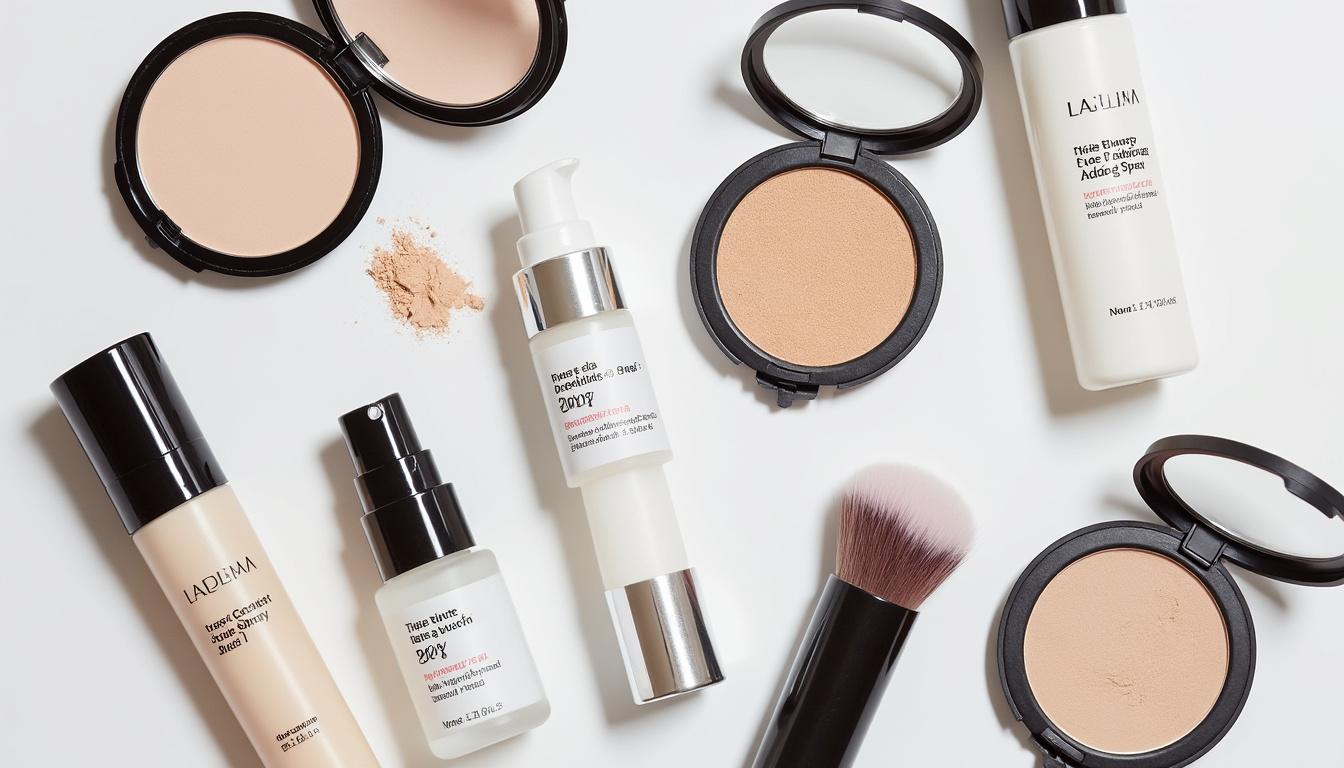
Primers and setting products often fly under the radar yet play vital roles in maintaining makeup integrity without compromising skin health. Acne safe primers focus on pore minimizing, oil control, and calming properties to create an ideal canvas for foundation application and prolong wear.
Popular acne safe primers include Bare Minerals Prime Time Original Pore Minimizing Primer and Benefit POREfessional Pore Minimizing Primer. These use gentle, mattifying ingredients to reduce pore visibility and absorb excess oil, significantly helping to prevent clogged pores during wear.
Setting powders and sprays lock makeup in place, controlling shine and reducing the need for reapplication, which can disturb skin. Products like bareMinerals Mineral Veil and Charlotte Tilbury Airbrush Flawless Setting Spray offer lightweight, non comedogenic finishes that protect sensitive or blemish prone skin throughout the day.
It’s critical to select finishing products free from irritating additives like heavy fragrances or drying alcohols which can inflame acne. Specialized acne safe formulations now include calming botanicals and antioxidants, supporting skin’s barrier during makeup wear.
Incorporating these products into your routine ensures that makeup stays fresh while minimizing skin stress. Their role is especially important for long days or occasions requiring extended makeup wear, as they contribute to the overall goal of pimple prevention.
Effective Makeup Application and Removal Tips to Safeguard Acne Prone Skin
Despite selecting the best acne safe makeup products, improper application or removal can exacerbate blemishes, undermining all your efforts. Thus, mastering hygienic and skin-friendly techniques is indispensable.
Application Techniques:
- Always begin with cleansed skin and a lightweight moisturizer suitable for blemish prone skin to create a balanced base.
- Use clean brushes or disposable sponges for product application to minimize bacteria transfer.
- Pat and blend gently rather than rubbing or pulling the skin, reducing inflammation risk.
- Avoid double dipping into products to prevent contamination.
Removal Routine:
- Remove makeup every night thoroughly with a gentle cleanser that supports acne treatment, such as one containing salicylic acid or benzoyl peroxide.
- Follow with a toner and a targeted acne treatment serum or moisturizer to restore skin balance.
- Never sleep with makeup on, as clogged pores overnight boost breakouts.
Adopting these practices, alongside acne safe product choices, ensures that your skin remains clear and comfortable, preventing an ongoing cycle of flare-ups caused by makeup misuse.
The Integration of Acne Safe Makeup in a Holistic Skincare Routine
The final piece of the acne-friendly makeup puzzle lies in synergy with an effective skin care regimen tailored for pimples and sensitive skin. Makeup alone cannot resolve acne; it merely masks imperfections while potentially worsening underlying conditions if improperly chosen.
Incorporate acne-safe makeup products as part of a broader skincare plan encompassing:
- Consistent cleansing and exfoliation with products designed for acne prone skin to remove impurities and dead skin cells.
- Targeted treatments like topical retinoids, salicylic acid lotions, or benzoyl peroxide formulations prescribed or recommended by dermatologists.
- Hydrating and barrier-repairing moisturizers free from pore-clogging ingredients to maintain skin resilience.
- Sun protection with mineral-based, non comedogenic sunscreens, vital to protect sensitive skin from UV damage and post-acne scarring.
- Periodic consultations with skincare professionals to adjust treatment and makeup choices based on evolving skin needs.
Many recent product launches reflect this holistic approach, boasting dual benefits of makeup and skincare integrated. For example, foundations with embedded salicylic acid promote gradual exfoliation, reducing the likelihood of new pimples during wear.
Ultimately, embracing acne safe makeup within a thoughtful routine empowers individuals to celebrate their natural beauty while nurturing healthy, blemish free skin. For a detailed and regularly updated list of trusted acne-safe makeup brands and products, explore expert-reviewed sources such as this acne safe makeup list that supports maintaining clear skin through smart cosmetics choices, paired with proper skin care in 2026 and beyond.