
Mastering the art of face makeup combines skillful techniques and a nuanced understanding of individual features to profoundly enhance one’s appearance. From foundation selections that create a flawless canvas to contouring and highlighting strategies that sculpt and illuminate, the artistry transforms not only the face but also the confidence of the wearer. As we explore the evolving landscape of makeup artistry in 2026, the focus has intensified on personalization—tailoring every brushstroke and product choice to complement unique facial structures and skin types.
Contouring and highlighting have become indispensable tools in this effort, offering subtle or dramatic definition by manipulating light and shadow. Embracing these techniques enables individuals to emphasize their best features, correct perceived imbalances, and craft a harmonious look that feels both natural and captivating. Alongside these practices, expert blending and foundation application create the seamless base necessary for professional results.
In this comprehensive discussion, we delve deep into practical methods, essential products, and expert tricks to elevate your face makeup routine. Whether you’re a makeup novice seeking a clear path to enhancement or a beauty enthusiast aiming to refine your technique, the exploration of face shaping ideas and product insights promises to elevate your beauty routine effectively.
In Brief:
- Face makeup enhances natural beauty through strategic application of foundation, contouring, and highlighting.
- Understanding facial anatomy and light principles is key to mastering makeup techniques that sculpt and define.
- Choosing the right products and tools, such as cream or powder contour and blending brushes, is crucial for seamless results.
- Customized contouring approaches based on face shape create balanced and flattering looks for every individual.
- Common contouring mistakes like improper blending or shade selection can be avoided with targeted guidance.
- Advanced techniques like layering cream and powder contours or using multiple shades add dimension and longevity.
- Integrating contouring and highlighting into daily or special occasion routines makes makeup versatile and empowering.
Fundamental Principles and Tools for Face Makeup That Enhance Your Look
Face makeup is not just about layering products but about crafting an appearance through the interplay of light, shadow, and texture. At the core lies the principle of contouring—applying darker tones where shadows naturally fall to create depth, and highlighting lighter areas to catch and reflect light. This duality allows for an enhanced facial dimension that can elevate even the most basic makeup routine.
Understanding the direction of natural light on the face is indispensable. Typically, light hits the forehead, nose bridge, cheekbones, and chin, while hollows beneath the cheeks, jawlines, and temples represent natural shadows. Manipulating these regions with contour and highlight products can either accentuate or soften features, resulting in a refined face shaping effect.
In executing these makeup techniques, the choice of tools and products makes an undeniable difference. For beginners and seasoned artists alike, powder contours with matte finishes provide control and blendability for subtle definition. Cream contours, favored for their pigmentation and longevity, blend effortlessly on drier skin types, and stick formulas offer precision and convenience.
Highlighting products span powders with shimmer, creams with dewy finishes, and liquids that allow versatility, each contributing differently to the luminosity of the skin.
Among tools, angled contour brushes map precisely to cheekbones and jawlines, buffing brushes dissolve harsh edges, small tapered brushes are ideal for nose contouring, and beauty sponges soften cream products into an airbrushed perfection. Fan brushes delicately apply highlight to high points, creating those coveted glows essential in a balanced makeup routine.
To truly enhance a makeup look, these elements must harmonize, combining foundational application and blending techniques that avoid harsh transitions. Mastery begins with quality investments in essential tools and understanding how each product complements your unique face shaping goals.
Step-by-Step Techniques to Sculpt Your Features with Expert Face Makeup Methods
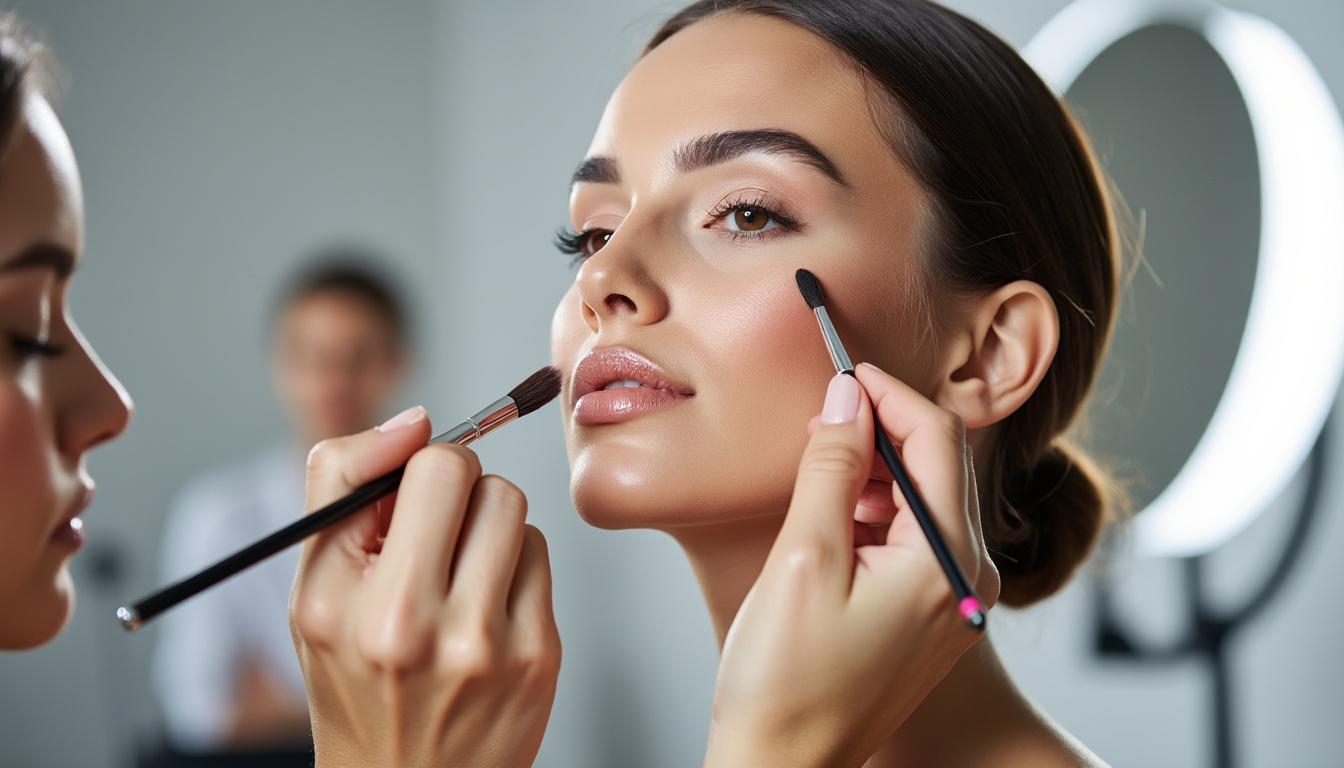
Achieving a sculpted, enhanced look through face makeup relies on deliberate, skillful steps that build natural dimension without overpowering one’s features. The first step is always a well-prepped canvas. Cleansing, moisturizing, and applying a suitable foundation equalize skin tone and create the perfect base for contouring and highlighting.
Next, map your face by identifying your natural contours: hollow cheeks, jawlines, and the sides of the nose. These are the areas where contour products will be placed. For example, by gently sucking in your cheeks, you can find the hollow area beneath your cheekbone—ideal for contour application. Similarly, defining your jawline adds sharpness and can slim the face visually.
Applying contour products with an angled brush, starting near the ears and blending inward, sculpts the cheeks softly. For jawline definition, blending downward toward the neck prevents a harsh line, maintaining a natural flow. Contouring the temples helps balance wide foreheads, and subtle strokes along the sides of the nose can slim and define this central facial feature.
Highlighting focuses on bringing forward the high points of the face: the tops of cheekbones, bridge of the nose, Cupid’s bow, and brow bones. Using a fan brush or fingertip, a highlighter is gently applied then blended impeccably to avoid stark edges.
The final—and arguably most critical—step is blending. Using a damp makeup sponge or buffing brush, all contour and highlight lines should dissolve seamlessly into the foundation. Blending upward on the cheeks and downward along the jawline preserves lifted, polished contours.
Setting with a translucent powder is optional but recommended to maintain longevity, especially for oily skin or extended wear. When done correctly, these steps create a makeup look that enhances facial structure, accentuates your best features, and integrates effortlessly into your beauty routine.
For further refinement, many artists recommend watching detailed tutorials which break down these steps visually, ensuring you grasp each movement. Resources such as step-by-step contouring tutorials provide accessible guidance suitable for all skill levels.
Custom Contouring Strategies Based on Your Unique Face Shape
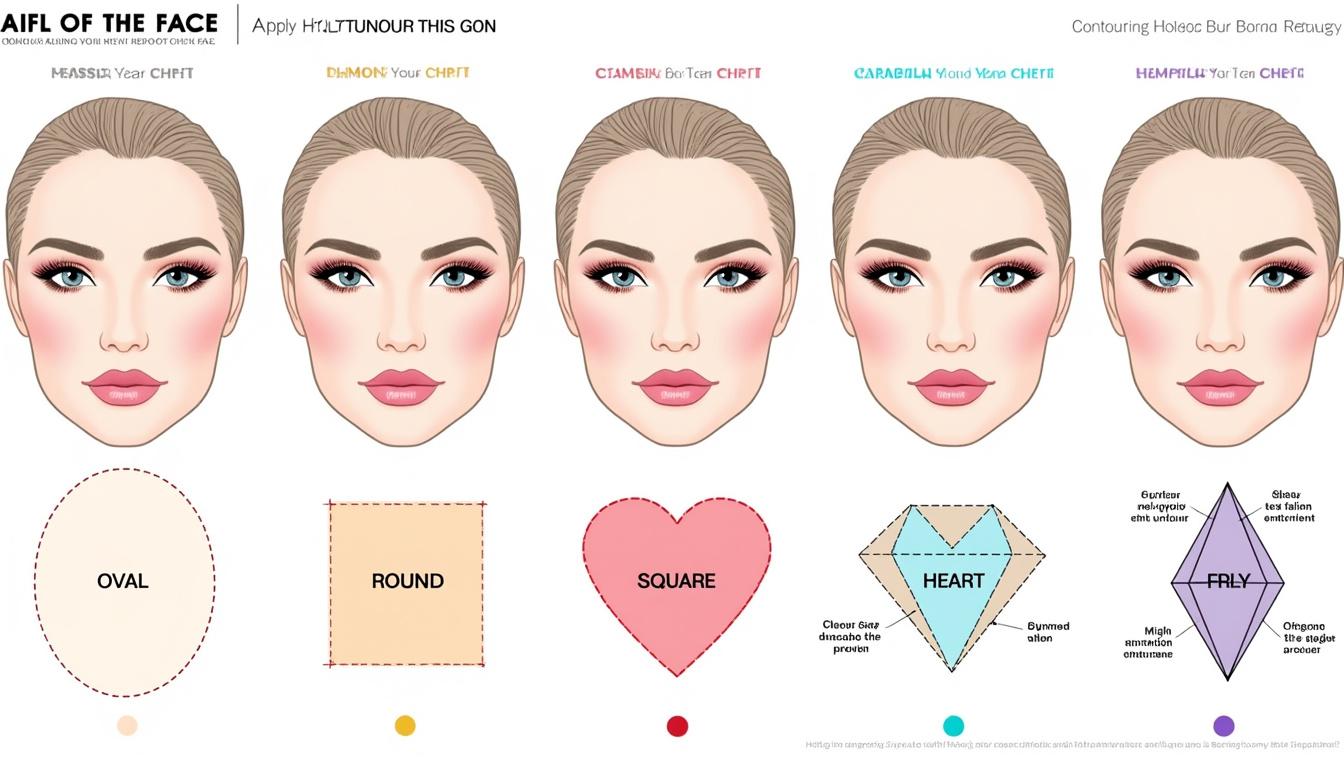
Successful face makeup enhancement hinges on adapting techniques to your face shape, an understanding that can transform basic contouring into a tailored beauty strategy. Different face shapes have naturally different dimensions and structures —and thus require unique contouring to enhance harmony and balance.
Round Faces benefit from contouring along the temples and under the cheekbones blending downwards to visually elongate the face. The jawline can also be softly contoured to add definition.
Oval Faces are often considered balanced and require only minimal contouring, mainly under the cheekbones and jawline to enhance natural bone structure without overwhelming features.
Square Faces benefit greatly from contouring along the edges of the jawline and the sides of the forehead to soften angularity and create more rounded edges, especially when blended well.
Heart-Shaped Faces should focus on contouring the temples to reduce forehead width, while applying a light contour at the chin to soften a pointed chin and balance proportions.
Long or Oblong Faces can use contouring along the hairline and under the chin to create a shortened effect, with horizontal contour under the cheeks to add width.
Diamond Faces require contour under the cheekbones and at the temples to soften the widest point of the face, balanced with highlighting in the forehead center.
Matching contouring and highlighting techniques to your face shape not only enhances makeup results but ensures your beauty routine feels personally tailored and natural. Resources like personalized contour guides are invaluable for learning the best placement for your features.
Common Mistakes in Face Makeup Contouring and How to Avoid Them for a Flawless Look
Even seasoned makeup lovers occasionally fall prey to contouring errors that undermine their desired enhanced look. The most frequent mistake is choosing a contour shade that’s too warm or dark, which often results in an unnatural or muddy appearance. Ideally, contour shades should have cool or neutral undertones and be only a few shades darker than your skin tone.
Applying too much product too quickly can also overpower your features rather than enhance them. The best technique is to start with a light application and gradually build intensity, blending as you go to maintain control. Remember, makeup is best layered, not painted on.
Poor blending is a widespread culprit behind harsh contour lines. Using proper tools—dense buffing brushes or slightly damp beauty sponges—and dedicating sufficient time to blending ensures soft transitions that mimic natural shadows and highlights.
Another mistake involves contour placement, especially contouring too low on the cheeks, which can drag the face downward instead of lifting it. Contouring should always follow the bone structure, angled slightly upward to accentuate lifted cheekbones.
Additionally, confusing contour with bronzer often leads to the wrong product applied in the wrong places. Bronzer adds warmth and glow, typically with shimmer or warm undertones, while contouring is matte and cooler in tone aiming for shadow.
Lighting matters too—applying contour in poor or artificial lighting can distort shades and placement. Always check your makeup in natural daylight to guarantee a polished, realistic finish.
Below is a table summarizing these common mistakes alongside practical corrections:
| Common Mistake | Effect | How to Fix |
|---|---|---|
| Wrong shade (too warm or dark) | Unnatural, muddy contour | Choose cool/neutral undertones, 2-3 shades darker than skin |
| Over-application | Harsh, heavy lines | Apply lightly, build coverage gradually |
| Poor blending | Visible stripes or patchiness | Use proper brushes/sponges and spend time blending |
| Incorrect placement | Face looks droopy or disproportioned | Contour along natural bone structure, angled upwards |
| Using shimmery contour products | Unnatural glow on shadowed areas | Stick to matte contour; save shimmer for highlight |
Adhering to these refined makeup tips guarantees your contouring enhances your facial features rather than detracting from them, enabling a seamless, sophisticated beauty routine.
Advanced Tips and Daily Integration of Face Makeup Techniques to Enhance Your Look
After mastering basic contouring and highlighting, makeup enthusiasts can explore advanced techniques to elevate their face makeup for special occasions or everyday confidence. One popular method is layered contouring, where a cream contour is first applied to sculpt, followed by powder contour to intensify and set the shape for longevity and definition.
Using multiple contour shades can also add dimension—lighter contour tones around the face create subtle shadowing, while deeper shades beneath cheekbones emphasize structure dramatically. Similarly, mixing highlight textures, such as liquid under powder, results in more complex and radiant luminosity.
Beyond cheeks and jawline, strategic contouring of the forehead—such as softly shading the edges to minimize a broad forehead—and the chin to modify its prominence, expand your face shaping possibilities. Some artists also apply nuanced contour near the lips to add the illusion of fullness.
It is crucial to understand the distinction between bronzer and contour when curating your makeup collection. Bronzers add warmth and a sun-kissed glow with sometimes shimmering finishes, whereas contouring focuses on creating depth with matte, cool or neutral tones, each serving a distinct purpose and placed differently on the face.
Incorporating these advanced techniques into your beauty routine can be flexible:
- Everyday Makeup: Use subtle powder contouring on cheeks and jawline for a natural enhancement that wears comfortably throughout the day.
- Evening Glamour: Embrace cream contours layered with powder for strong definition, complemented by intense highlight to catch stage or photo lighting.
- No-Makeup Makeup: Utilize cream contour and liquid highlight sparingly to add soft dimension without obvious makeup lines.
- Photography and Video: Amplify contour depth and highlight brightness moderately to counteract flattening effects of cameras and lighting while ensuring seamless blending.
Experimenting with these approaches allows your face makeup to adapt effortlessly to different situations, enhancing your look while respecting your natural beauty. Comprehensive tutorials and product reviews, such as those found in trusted makeup tips and guides, can further support your application mastery and product choices.