
In today’s world, teenagers face a unique blend of environmental, hormonal, and lifestyle challenges that impact their skin health. Establishing an effective skincare routine early in life is essential not only for managing common concerns like acne and sensitivity but also for laying the groundwork for radiant skin decades down the line. As the skincare market continually evolves, with innovative ingredients and brands emerging, selecting appropriate products that align with teen skin types and concerns becomes paramount. This article delves into the critical essentials every teen needs, tailored advice for different age groups, and how to choose products that foster confidence and healthy skin habits for life.
Key Takeaways:
- Simple routines focusing on gentle cleansing, moisture, and sun protection suit young teens best.
- Incorporating acne-fighting ingredients like salicylic acid and AHAs helps manage hormonal breakouts safely.
- Older teens can benefit from targeted treatments such as retinoids and vitamin C serums for oil control and brightening.
- Prioritizing noncomedogenic and fragrance-free products helps protect sensitive skin and prevent irritation.
- Following expert advice and avoiding over-complicated regimens reduces the risk of skin barrier damage among teens.
Foundations of Skincare for Teens: Simplifying Essentials for Ages 13 to 15
During early adolescence, notably between ages 13 and 15, skin issues often reflect the hormonal upheaval associated with puberty. Young teens typically begin menstruation around 12 or 13 years, triggering fluctuations that can result in acne. Experts such as Dr. Noreen Galaria emphasize an uncomplicated routine: daily face washing and showering are fundamental. For those experiencing breakouts, choosing a gentle cleanser containing acne-fighting components like alpha hydroxy acids (AHAs) can effectively exfoliate and refresh the skin without harsh abrasion.
Additionally, hydration through lightweight, oil-free moisturizers is critical to maintain skin barrier integrity and prevent excessive drying from acne treatments. Sunscreen formulated for the face and labeled as noncomedogenic is vital to protect sensitive, young skin from UV damage, limiting future pigmentation or premature aging. Spot treatments incorporating ingredients such as salicylic acid, a beta hydroxy acid (BHA), or benzoyl peroxide can target oily and acne-prone areas by reducing inflammation and clearing clogged pores effectively. Many teens find pimple patches particularly helpful as they protect the healing skin and discourage the urge to pick, preserving the skin’s health.
Moreover, if teens decide to experiment with makeup, opting for products designed not to block pores is advisable. Emphasizing healthy lifestyle habits complements topical care: minimizing sugary and processed food intake, ensuring adequate rest, and maintaining hydration all contribute positively to skin condition. This holistic approach supports a well-rounded, manageable routine that prevents overwhelming young skin.
Brands tailored for teen skincare often focus on these key essentials, balancing efficacy with gentle formulations, as seen in popular recommendations across platforms like Ulta’s teen skincare favorites. Understanding these basics provides teenagers with the groundwork to develop positive habits and build confidence in their skin.
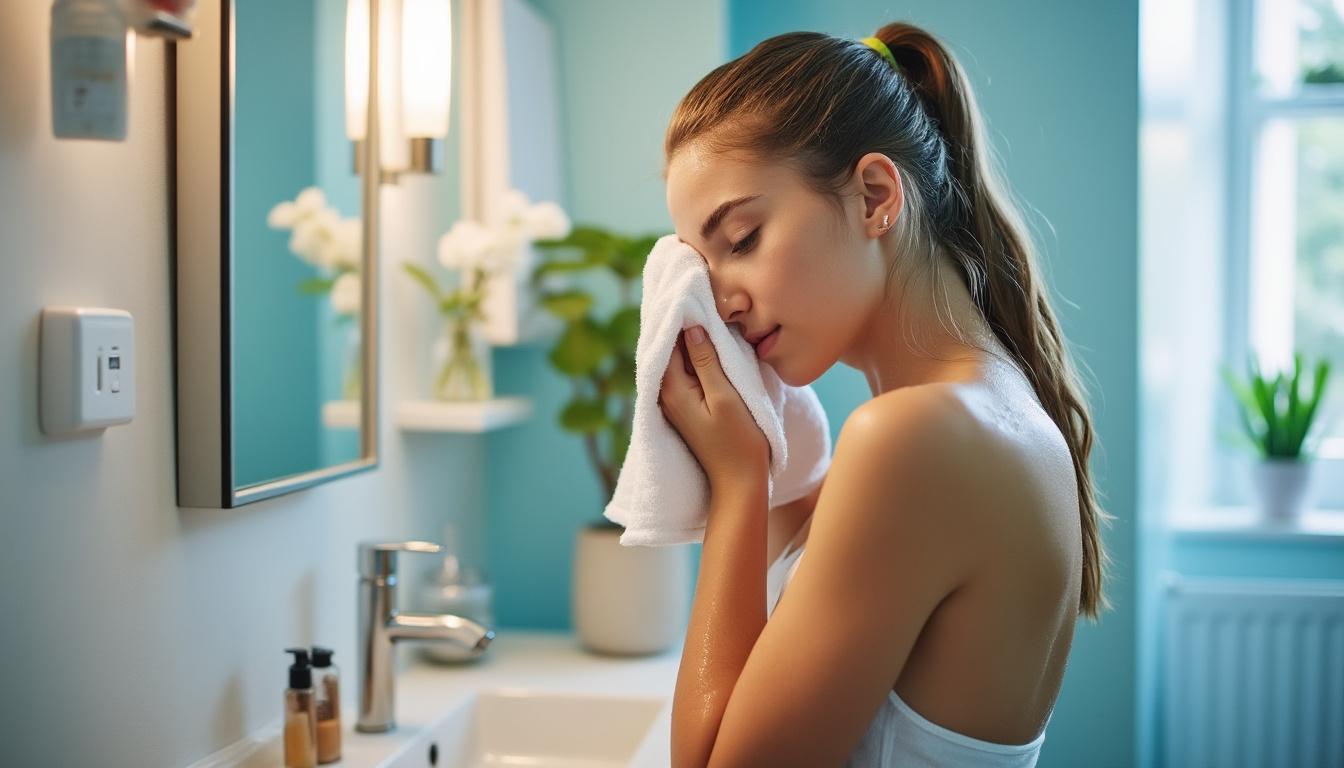
Advancing Skincare for Older Teens: Incorporating Treatments for Acne and Hyperpigmentation
As teenagers move towards their late teens, typically 16 and above, their skin’s needs often become more complex. Persistent acne or the onset of hyperpigmentation due to previous breakouts may require stepping up skincare with additional active ingredients. Dermatologists recommend introducing serums containing pore-clearing salicylic acid coupled with hydrating agents such as niacinamide, which helps minimize inflammation and brighten spots without irritation.
For those with oily skin, adding a gentle toner can be beneficial to remove residual impurities and mildly exfoliate, enhancing the efficacy of the overall routine. The use of retinoids is also encouraged in this age group; these vitamin A derivatives have a robust track record in regulating oil production, accelerating cell turnover, reducing inflammation, and preventing long-term scarring. While their potency demands caution and appropriate guidance, retinoids remain unparalleled in effectiveness.
Consistency plays a crucial role during this phase. As Dr. Galaria stresses, it often takes several months of diligent use to witness tangible results. Teens should resist the temptation to switch products too frequently and focus on committing to a routine that suits their skin type and concerns. Consulting a dermatologist becomes essential to tailor treatments properly, especially when over-the-counter options fail to address more severe acne or pigmentation issues.
A carefully crafted routine at this developmental stage blends cleansing, moisturizing, sun protection, and targeted treatments. Expert-reviewed product suggestions often emerge in resources curated for teens like those found on SheKnows’ best skincare brands for teens, highlighting formulations that resonate with real-world skincare challenges.
Additional Tips for Teens Managing Complex Skin Concerns
- Incorporate a nourishing moisturizer with ingredients that boost hydration without clogging pores, such as glycerin or hyaluronic acid.
- Use sunscreen daily, prioritizing broad-spectrum formulas with SPF 30 or higher, suitable for sensitive or acne-prone skin.
- Limit the use of multiple exfoliants concurrently to avoid skin barrier disruption.
- Introduce products gradually to monitor skin response and minimize irritation risks.
- Seek professional advice for prescription-strength options when necessary, such as topical retinoids or antibiotic treatments.
Choosing Clean and Non-Irritating Products: Protecting Sensitive Teen Skin
Teen skin can be especially reactive during adolescence, as it adapts to hormonal changes and environmental stressors like pollution. It is, therefore, critical to select products free from harsh chemicals, unnecessary fragrances, and pore-clogging ingredients. Clean skincare focuses on formulations with minimal components that nurture rather than strip the skin’s natural moisture layer. This approach is vital to safeguard the delicate skin barrier, a frontal defense against irritants and microbes.
Brands championing non-toxic, natural, and effective ingredients have risen in popularity among teens eager to maintain healthy skin without exposing themselves to irritants. Products featuring ceramides, niacinamide, and soothing botanicals such as aloe vera provide hydration and calm inflammation elegantly. In 2026, sustainable and ethical skincare practices have become particularly valued, appealing to eco-conscious young consumers who want their choices to align with their values.
Teenagers are encouraged to always check labels and choose items labeled “noncomedogenic,” ensuring that pores remain clear. Avoidance of heavy oils, alcohols, and sulfates is generally recommended. For a curated list of gentle yet effective skincare products ideal for sensitive teen skin, reliable guides such as Sache Beauty Studio’s 2026 sensitive skin picks offer detailed insights and product suggestions.
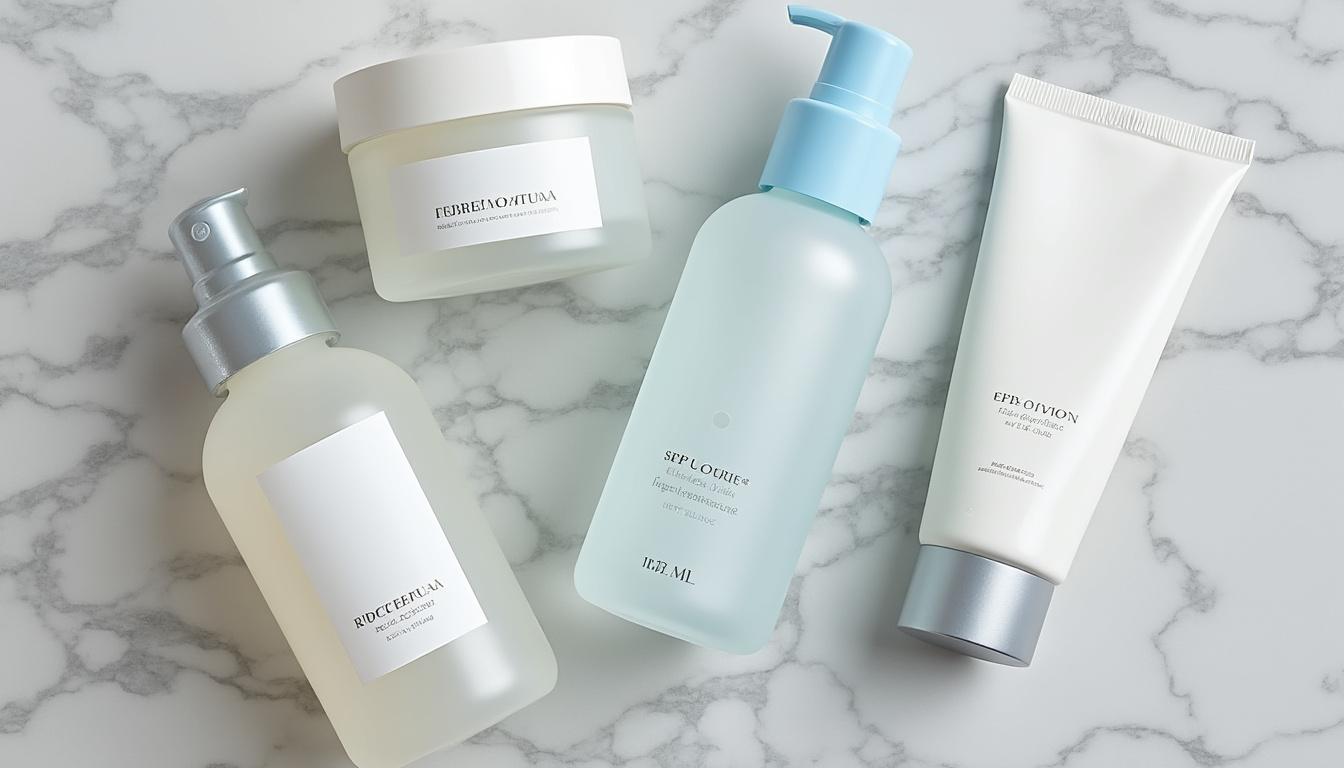
Table Comparing Key Ingredients Suitable for Sensitive Teen Skin
| Ingredient | Benefit | Best For | Example Products |
|---|---|---|---|
| Ceramides | Restore skin barrier, lock hydration | Dry, sensitive skin | CeraVe Moisturizing Cream |
| Niacinamide | Reduces inflammation, evens skin tone | Oily, acne-prone, sensitive skin | The Ordinary Niacinamide 10% |
| Salicylic Acid | Clears clogged pores, exfoliates gently | Oily, acne-prone skin | CeraVe Acne Control Cleanser |
| Hyaluronic Acid | Intense hydration without greasiness | All skin types, especially dry | Neutrogena Hydro Boost Gel |
| Fragrance-Free Formulas | Minimize irritation risk | Sensitive, reactive skin | Bubble Skincare Fresh Start Gel Cleanser |
The Influence of Social Media ‘Skinfluencers’ and Building Healthy Habits
Teenagers today turn to social media and “skinfluencers” for inspiration and recommendations. While many influencers provide relatable tips and increase awareness of skincare, caution is warranted. Younger teens especially risk experimenting with potent actives like retinol too early or layering several exfoliating products, potentially compromising their skin’s barrier.
Dermatologist Anjali Mahto advises that simplicity should govern young skin care routines. Following trusted, board-certified experts rather than unverified trends can prevent common missteps. Not every product that works for adults suits developing teen skin, making personalization and expert consultation indispensable.
Furthermore, starting skincare education early, even before puberty, builds healthy habits. Teaching children how to cleanse properly and protect their skin from sun damage encourages long-term skin health and confidence. As consultant dermatologist Dr. Sreedhar Krishna points out, adolescence is an ideal time to escalate the routine to address acne concerns while preparing skin against urban environmental aggressors.
Importantly, skincare can be a powerful confidence booster. Navigating teenage pressures is challenging, and having a skincare regimen that supports skin health helps reduce stress and builds self-esteem. As teens develop preferences, they learn to make informed choices, steering them towards lifelong beneficial habits.
Besides expert advice, several comprehensive guides illustrate age-appropriate regimens for different skin types, such as the Sephora guide to teen skincare. Taking advantage of these resources empowers teens to understand their skin’s unique needs.
Top 5 Rules for Teens to Choose Effective Skincare Products
- Look for gentle, fragrance-free, and noncomedogenic labels. These protect sensitive and breakout-prone skin from irritation.
- Select simple formulas with proven ingredients like salicylic acid for acne and ceramides for hydration.
- Avoid overloading the skin with multiple active ingredients simultaneously.
- Commit to a routine and be patient. Results require consistency over months, not days.
- Seek professional advice if acne is persistent. Prescription products may be necessary under dermatological guidance.