Rosacea, a chronic skin condition affecting millions worldwide, can be a source of frustration and discomfort, especially for those struggling with sensitive skin. Characterized by persistent redness, visible blood vessels, and sometimes acne-like bumps, rosacea demands a specialized skincare approach. At its core, managing rosacea involves a careful balance of soothing irritated skin, reducing inflammation, and repairing the skin barrier to prevent flare-ups. Navigating the world of rosacea skincare means understanding which ingredients calm sensitive skin without exacerbating redness.
For anyone living with rosacea, finding a skincare routine that addresses these concerns while maintaining hydration and gentle care is crucial. The challenge lies in selecting products that don’t overwhelm already sensitive skin or worsen redness, but instead provide anti-redness benefits and foster durable skin barrier repair. This guide explores the best approaches to soothe and protect sensitive skin prone to rosacea, incorporating scientific insights, expert dermatological advice, and real-world examples.
In brief:
- Choosing a gentle cleanser that minimizes irritation is a foundational step in rosacea skincare.
- Hydration with non-comedogenic, soothing ingredients supports skin barrier function and reduces redness.
- Skin calming agents, including niacinamide and natural anti-inflammatory extracts, play an essential role in calming flare-ups.
- Opting for fragrance-free skincare significantly decreases the risk of sensitivity reactions.
- Professional advice and consultations can tailor skincare plans, providing personalized approaches for lasting redness relief.
Understanding Rosacea and Sensitive Skin: Key Challenges and How to Address Them
Rosacea’s exact cause remains elusive, but it’s widely accepted to result from a combination of genetic, environmental, and vascular factors. The characteristic facial redness and frequent flare-ups usually involve a compromised skin barrier, which leads to increased skin sensitivity and reactivity. Understanding the skin’s physiology under these conditions is critical to selecting suitable therapeutic and cosmetic products.
One major hurdle in rosacea care is the skin’s heightened response to irritants. Even minor triggers such as weather changes, hot drinks, or certain skincare ingredients can provoke a visible reaction. This challenge accentuates the need for products that focus on skin calming and fortifying the skin rather than aggressive exfoliation or harsh cleansing.
For instance, a patient with rosacea might find their skin becoming inflamed and tender after using a cleanser with sulfates or aromatic oils. Such ingredients, while cleansing and fragrant, often strip away natural oils and aggravate the skin’s sensitivity. That is why many dermatologists now recommend gentle, fragrance-free options. The benefits of fragrance-free skincare for sensitive skin are well documented: reducing potential allergens and irritants lowers flare-up risks and supports long-term skin health.
Hydration is another cornerstone. A damaged skin barrier loses moisture rapidly, leading to dryness, tightness, and increased susceptibility to irritants. Including humectants like glycerin and hyaluronic acid can help maintain moisture balance without clogging pores. Studies have shown that proper hydration not only improves the comfort of rosacea-prone skin but also enhances the efficacy of other calming ingredients, thus expediting redness relief.
Experts emphasize a holistic approach, combining skin barrier repair with avoidance of triggers, sun protection, and stress management. Professional dermatology services also offer tailored advice and treatment plans, sometimes incorporating prescription products or laser therapy for more stubborn cases.
The Science Behind Gentle Cleansing and Hydrating for Rosacea Relief
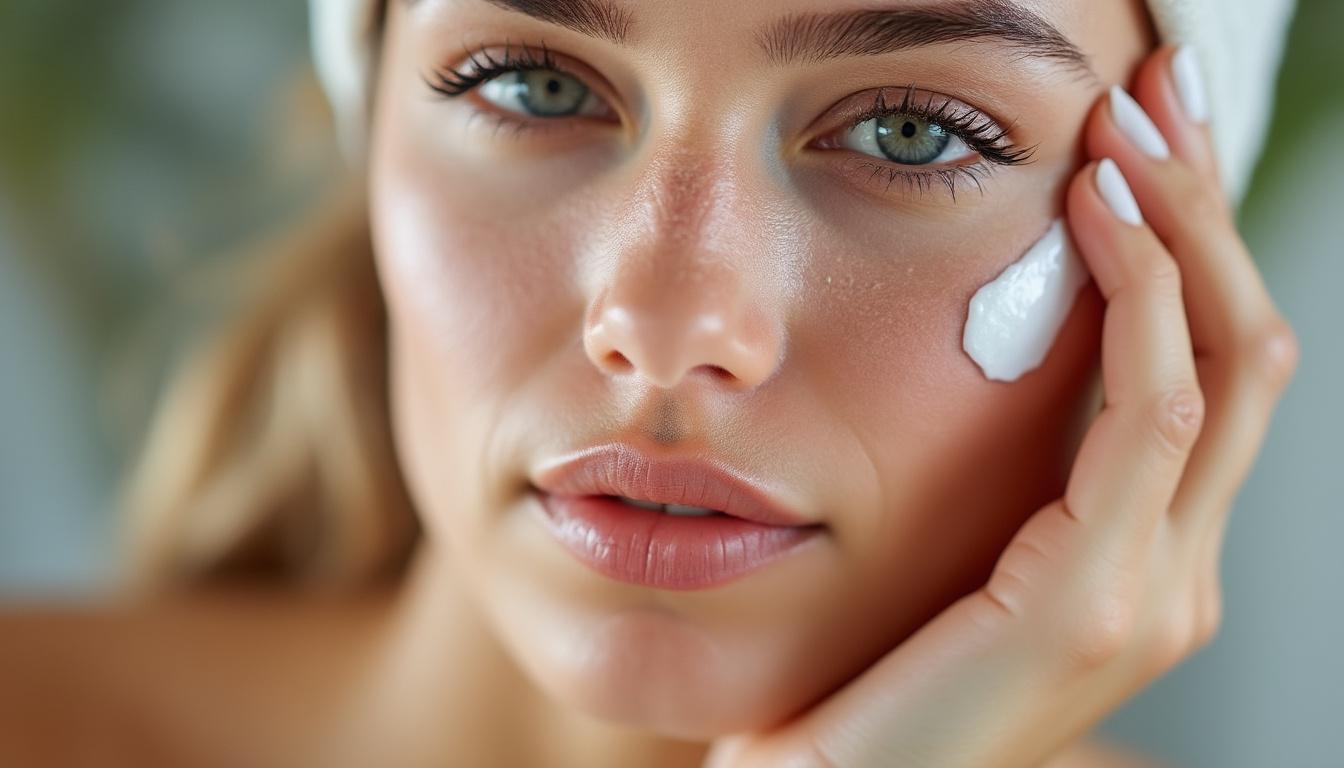
Proper cleansing is foundational in any skincare routine, but it must be approached with caution for those with rosacea and sensitive skin. Traditional cleansers often contain surfactants that damage the skin barrier by removing essential lipids and proteins, exacerbating redness and irritation.
A gentle cleanser designed for sensitive skin typically avoids harsh detergents like sodium lauryl sulfate and instead uses milder surfactants such as decyl glucoside or cocamidopropyl betaine. These ingredients clean effectively while preserving the natural oils that protect the skin.
Incorporating a gentle cleanser twice daily helps remove impurities and excess oils without overdrying. For example, tea tree oil face wash, while popular, may be too strong for rosacea sufferers, whereas formulations with calming agents like oat extract or ceramides offer a soothing alternative. In fact, the benefits of tea oil face wash are more suitable for normal to oily skin types but need to be used cautiously with sensitive rosacea-prone skin.
Hydration following cleansing replenishes moisture and strengthens the skin’s barrier. Effective ingredients include:
- Niacinamide – a form of vitamin B3, known for its anti-redness and anti-inflammatory properties.
- Hyaluronic acid – a powerful humectant that traps water molecules in the skin.
- Ceramides – lipids that rebuild and reinforce the skin’s barrier function.
- Glycerin – another effective humectant that maintains hydration without irritation.
Choosing products that combine these ingredients can yield significant improvements in skin texture and visible redness reduction. The combined action of hydration and barrier repair forms the core of skin calming routines recommended by dermatologists worldwide.
Here is a table illustrating the role each ingredient plays in soothing rosacea-prone skin:
| Ingredient | Primary Benefit | Effect on Rosacea | Common Source |
|---|---|---|---|
| Niacinamide | Reduces inflammation and strengthens barrier | Decreases redness and sensitivity | Skincare serums and moisturizers |
| Hyaluronic Acid | Hydration and moisture retention | Keeps skin plump and less reactive | Hydrating toners and serums |
| Ceramides | Barrier repair and protection | Prevents moisture loss and irritation | Moisturizers and creams |
| Glycerin | Attracts moisture and softens skin | Reduces dryness and discomfort | Lotions and cleansers |
How to Build an Effective Skincare Routine for Sensitive Rosacea-Prone Skin
Developing a skincare routine tailored to rosacea requires patience, experimentation, and a careful selection of ingredients. Many rosacea sufferers benefit from a minimalistic routine focused on soothing sensitive skin and maintaining hydration.
A typical daily rosacea-friendly routine might include:
- Gentle cleansing morning and night with a fragrance-free cleanser.
- Applying a calming serum containing niacinamide or other anti-inflammatory ingredients.
- Using a moisturizer rich in ceramides and humectants to support the skin barrier.
- Applying sunscreen every morning to protect sensitive skin from UV-related irritation and redness.
Avoiding common irritants such as alcohol, fragrance, and essential oils is critical. Many products marketed as “natural” can contain compounds that aggravate rosacea, emphasizing the importance of ingredient awareness. Notably, switching to scent-free skincare for sensitive skin has been a game-changer for many who previously suffered unexplained flare-ups.
For nighttime, incorporating mild treatments such as azelaic acid can help reduce rosacea symptoms. Azelaic acid provides antibacterial, anti-inflammatory, and antioxidant properties without harsh effects. However, its usage should be supervised to avoid over-irritation.
Alongside the regimen, regular skin evaluations with dermatologists can refine product choices and potentially include therapeutic interventions. For example, specialists might recommend laser therapy or prescription topical treatments for persistent redness not controlled by skincare alone. This multi-level approach ensures a balanced care strategy focusing on skin health and symptom management.
Natural Ingredients and Home Remedies to Soothe Rosacea and Sensitive Skin
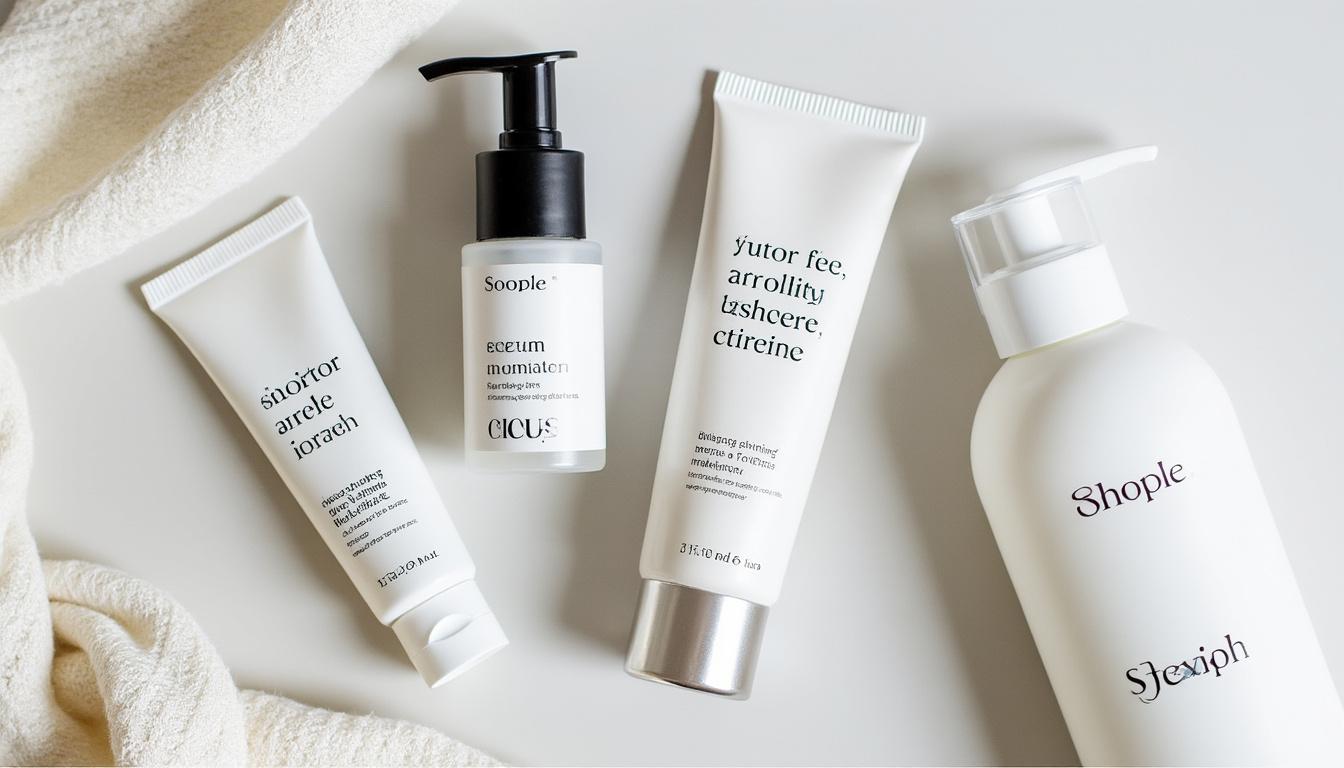
Natural skincare solutions often appeal to those seeking gentle but effective methods to soothe rosacea without harsh chemicals. Many botanical extracts provide anti-inflammatory benefits that help calm sensitive, irritated skin.
Some widely studied calming ingredients include:
- Green tea extract: Rich in antioxidants, it has demonstrated anti-inflammatory effects that reduce redness and soothe skin.
- Aloe vera: Well-known for its hydrating and cooling properties, aloe vera can soothe irritation and promote healing.
- Chamomile: Contains compounds that calm inflammation and relieve itching.
- Cucumber extract: Offers skin calming and hydration benefits with a soothing cooling effect.
While appealing, natural does not always mean safe for rosacea. Patch testing is essential to avoid flare-ups. Homemade remedies such as oatmeal masks or cold compresses can also provide temporary relief of redness and discomfort.
Another important consideration is lifestyle. Stress reduction, diet adjustments avoiding triggers like spicy foods or alcohol, and physical protection against harsh weather can dramatically influence rosacea symptoms. Case studies reinforce how integrating these routine changes with skincare can lead to better long-term management.
Professional Treatments and Personalized Approaches to Combat Rosacea Redness
While daily skincare forms the backbone of rosacea management, many individuals require professional intervention for significant symptom control. Dermatologists employ various treatments ranging from topical prescription medications to advanced laser treatments that target visible blood vessels and redness.
Personalized treatments begin with thorough skin assessments to determine rosacea subtype and severity. Customized plans might include:
- Prescription topical medications like metronidazole or ivermectin, reducing inflammation and skin mites linked to rosacea.
- Oral antibiotics or anti-inflammatory drugs for moderate to severe cases.
- Laser and light therapies such as pulsed dye laser (PDL) or intense pulsed light (IPL) to diminish persistent redness and telangiectasias.
Moisturizers with barrier-repair ingredients combined with professional care optimize results by soothing sensitive skin and improving overall skin resilience. For example, patients treated at specialized clinics like the Midwest Center for Dermatology & Cosmetic Surgery report notable improvements in both appearance and comfort.
Opening a dialogue with skincare professionals also helps identify individual triggers and tailor advice for everyday skincare choices, sun protection, and lifestyle modifications. This integrated approach enhances patient confidence and long-term skin health.