
Special effects makeup, or SFX makeup, has blossomed into a captivating art form that spans beyond horror scenes and blockbuster movies. Today, it’s a creative outlet for enthusiasts and professionals alike in theatres, cosplay, Halloween, and film industries. For beginners embarking on this thrilling journey, mastering the fundamentals is essential to unlock the ability to transform faces, bodies, and imaginations with remarkable realism and artistry.
Understanding the basics involves more than applying fake blood or latex prosthetics; it requires learning specific techniques, choosing the right materials, and developing a keen eye for detail. This guide navigates the foundational aspects of SFX makeup, offering practical tips on building an effective starter kit, step-by-step tutorials on common effects like cuts and bruises, and insights into the creative process behind face painting and prosthetics. Embracing these basics will help newcomers advance their skills with confidence and artistry.
SFX makeup serves various purposes—from creating gruesome wounds for Halloween parties to perfecting elaborate characters for cosplay competitions. No matter your goal, this beginner-focused exploration reveals the path to mastering essential makeup techniques without feeling overwhelmed, making the craft accessible to all curious creators ready to dive into the fascinating world of special effects makeup.
In brief:
- Understand essential SFX makeup materials and tools needed for a beginner-friendly kit.
- Learn key makeup techniques to create realistic wounds, bruises, scars, and burns.
- Explore the role of prosthetics and latex makeup in transforming appearances.
- Discover the creative potential of face painting integrated with special effects.
- Access expert tips and tutorials to avoid common pitfalls in SFX makeup application.
Essential Tools and Products for a Beginner SFX Makeup Kit
Before diving into techniques, assembling the right collection of tools and products is crucial for anyone starting with SFX makeup. The beginner’s kit forms the foundation on which successful special effects looks are built. Essential items include latex makeup, adhesives, brushes, sponges, color palettes, and prosthetic pieces. Selecting high-quality materials ensures durability and realistic effects without compromising skin health.
For instance, liquid latex remains a staple to create wounds, scars, or texture variations convincingly. Paired with alcohol-activated paints or cream-based colors, it allows layering rich hues mimicking bruising or burns. Sponges with stippling effects or fine-detail brushes enable blending and sculpting nuanced details on the skin. Equally important is having gentle adhesives, such as medical-grade prosthetic glue, that provide secure attachment for prosthetics without irritation.
- Liquid latex for texture and skin simulation
- A variety of brushes and sponges for detail application
- Alcohol-activated or cream makeup palettes for color effects
- Prosthetic adhesives to safely attach appliances
- Fake blood in various consistencies for realistic wounds
Additionally, beginners benefit from kits that consolidate these essentials, which you can explore in detail through resources like the SFX makeup kit checklist for beginners. This checklist guides novices in equipping themselves without overspending or confusion, ensuring a smooth start to their special effects makeup journey.
Investment in these tools not only enhances the quality of special effects but also facilitates experimentation. With consistent practice, beginners learn to manipulate textures, colors, and prosthetic materials to craft effects that appear seamless and lifelike—even under the scrutiny of camera lights.
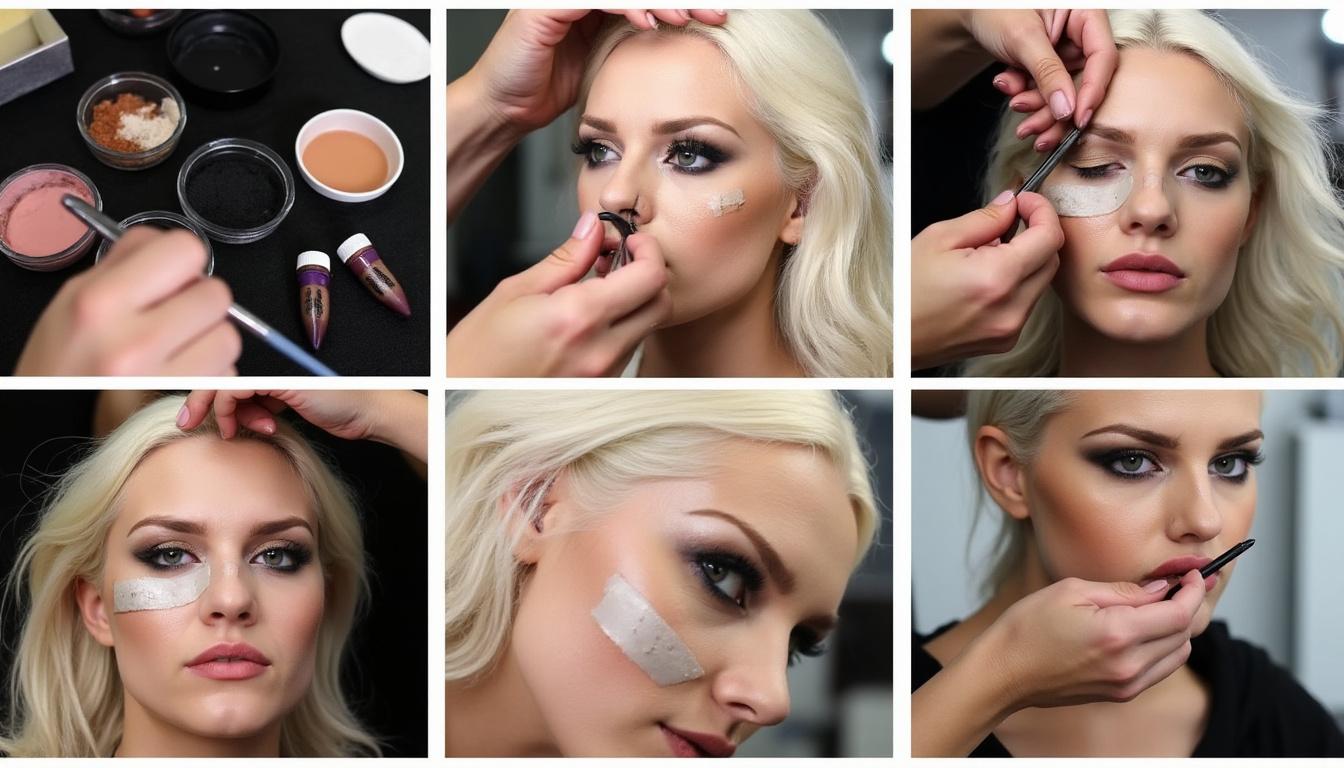
Mastering Makeup Techniques: Creating Realistic Cuts, Bruises, and Burns
One of the core challenges and thrills of SFX makeup lies in recreating injuries deceptively real to the eye. Newcomers often start with crafting cuts, bruises, burns, and scars—staple effects used widely in theatre and film. Each effect requires understanding color theory, shading, and texture to mimic the complexities of human skin’s reaction to trauma.
For cuts, a common beginner tutorial method involves using a combination of latex or scar wax to sculpt raised edges and appropriate shadows with makeup paints underneath to give depth. Layering dark reds with hints of purple or blue creates the illusion of fresh wounds, while yellow and green undertones simulate healing stages or infection. The key is gradual blending and building up color intensity with a stippling sponge to avoid harsh lines.
Bruising requires patience and subtlety in color application. Understanding how bruises transition—from fresh red and purple to yellow-green hues as they age—allows creators to build authentic effects over time. Many beginners experiment with multiple layers of cream colors and stippling techniques to achieve varying saturation, mimicking broken capillaries beneath the skin.
Burn effects often combine textures like melted latex or gelatin with fiery reds and oranges blended into blackened edges. Creating raised blisters or peeling skin with prosthetic applications adds dimensional realism. It’s impressive how the right combination of texture and careful color placement turns simple materials into terrifyingly realistic wounds.
Step-by-step tutorials for these makeup techniques are invaluable. Brands like Mehron provide detailed guides and inspiration; for those eager to dive deeper, exploration in forums like SFX makeup ideas for beginners helps expand skill sets and creativity.
The Role of Prosthetics and Latex Makeup in Special Effects Transformations
As a layer beyond traditional face painting and makeup, prosthetics bring dramatic realism to special effects by altering a person’s shape and silhouette. For beginners, learning how to safely handle and apply latex makeup and prosthetics is a critical leap towards more advanced artistry.
Prosthetic appliances range from small pieces like fake noses or scars to larger components sculpted to create monsters or character-specific deformities. These elements usually involve foam latex, silicone, or gelatin materials adhered using professional adhesives. Working with prosthetics demands patience, precision, and an understanding of how adhesives interact with skin and makeup layers.
Latex makeup specifically enriches texture and volume on the skin’s surface. It can simulate wrinkles, wounds, peeling skin, or animalistic features. Multi-step processes include applying thin latex layers, letting them dry and peel in specific ways, then blending paint layers to give depth. Proper skin care before and after application is vital to avoid irritation. Beginners learn to use barrier sprays, gentle removers, and moisturizers to protect their skin health.
Success stories from artists who started with small latex projects underscore how prosthetics open new doors in character development. Whether building a mythical creature or mutilated zombie, prosthetics dramatically enhance the believability of transformations, setting them apart from simple face painting.
Detailed prosthetic application courses such as those found at special effects makeup schools provide professional advice on materials handling, layering, soldering edges, and foolproof removal techniques—all essential knowledge for beginners eager to elevate their SFX craft.
Creative Expression Through Face Painting and Custom Special Effects Makeup
Face painting stands as a gateway to creativity within the special effects makeup domain. It blends artistry and technique, using the face as a canvas to narrate stories, depict characters, or invoke emotions. For beginners, face painting offers an accessible entry point, requiring minimal prosthetics but plenty of inventive color use and design planning.
Combining traditional face painting with SFX makeup techniques, artists can highlight dramatic effects such as wounds or fantastical elements alongside vibrant designs. This fusion expands the possibilities, enabling interim solutions when prosthetics are unnecessary or impractical. For example, a painted-on scar paired with subtle shading can evoke a striking realism for character portrayal on stage.
Many beginner tutorials emphasize fundamental face painting patterns like skulls, zombies, or abstract tribal designs that introduce important blending and layering skills. Merging these designs with special effects makeup techniques teaches newcomers how to balance creativity with realism, essential for performances or cosplay where close-up inspection is common.
Innovative face painters today embrace digital tools to plan their designs before execution, fostering imagination while refining technique. This method allows trial without waste of materials, streamlining initial practice sessions for learners. The mixology of vibrant pigments, highlights, and shadows not only dramatizes the face but alerts the observer to an underlying story or mood.
For those curious about diverse styles and innovative inspirations, platforms like SFXzone serve as hubs showcasing quintessential tutorials, trends, and artistic showcases.
Avoiding Common Pitfalls and Expert Tips for SFX Makeup Success
Embarking on special effects makeup can be daunting, as beginners often encounter setbacks ranging from material mishandling to unrealistic applications. Learning from common mistakes accelerates progress and confidence.
Key Challenges and Their Solutions
- Improper adhesive use: Using non-compatible glue can cause skin irritation or poor prosthetic adherence. Always test adhesives and opt for medical-grade products.
- Overdoing color intensity: Applying too bold colors without blending makes effects appear fake. Gradual layering and stippling yield natural transitions.
- Neglecting skin preparation: Clean, moisturized skin prevents irritation and ensures makeup longevity.
- Inadequate removal techniques: Harsh removal damages skin and prosthetics. Use gentle removers and follow skin care regimens.
Expert Advice to Level Up Your SFX Makeup
Professionals stress the importance of practice and patience—each failed effect teaches valuable lessons. Experimenting with different materials, revisiting tutorials, and seeking peer feedback sharpens skill sets. Investing in quality products rather than cheap alternatives also makes a significant difference in ease of use and final appearance.
For those seeking structured learning, beginner-friendly courses such as the one offered on SFX Makeup Basics provide comprehensive instructions covering every stage of special effects makeup creation. These lessons reduce the overwhelming nature of self-teaching by breaking down complex steps into manageable modules.
Ultimately, enjoying the creative process fuels success in SFX. Beginners who combine technical knowledge with imaginative design build more authentic and captivating effects that stand out in any production or event.