
Beef tallow skincare has surged in popularity across social media platforms, captivating beauty enthusiasts with promises of naturally nourishing and hydrating the skin. Rooted in ancestral traditions, this pure rendered animal fat is being rediscovered as a potential solution to dry, irritated, and aging skin. As our understanding of skin biology advances, many are intrigued by beef tallow’s fatty acid composition and vitamin content that might support the skin’s natural barrier. Yet, its rising trend also invites scrutiny and debate within the cosmetic and dermatology communities. Is beef tallow truly effective, or does it carry risks that outweigh its benefits? This article delves deep into the world of beef tallow in skincare, examining its properties, benefits, limitations, and how it fits into the broader landscape of natural and organic skincare in 2026.
Brief overview:
- Beef tallow is a natural moisturizer high in saturated fats, fatty acids, and fat-soluble vitamins (A, D, E, K).
- Its use in skincare is inspired by traditional remedies and the desire for organic skincare options aligned with sustainable and ethical sourcing.
- It may aid skin nourishment, provide hydration, and support skin repair, proving beneficial for dry, sensitive, and aging skin.
- Concerns remain about its potential for causing clogged pores, irritation, and allergic reactions, especially in oily or acne-prone skin types.
- Dermatologists generally recommend tested moisturizers with balanced formulations over tallow, emphasizing the need for caution with unregulated products.
- Several brands now offer high-quality tallow skincare products focusing on purity, ethical sourcing, and effectiveness, appealing to fans of minimalist and sustainable beauty.
Understanding Beef Tallow: Origins and Composition Relevant to Healthy Skin
At its core, beef tallow is the purified rendered fat obtained primarily from the kidneys and surrounding tissues of grass-fed cattle. Historically, this ingredient was widely used both as cooking fat and as a topical skin treatment across different cultures. Its revival today is largely due to consumers seeking natural alternatives to chemically complex skincare formulations.
Beef tallow’s rich composition includes saturated fats and a high concentration of triglycerides such as stearic acid, oleic acid, palmitic acid, and linoleic acid. These lipids closely resemble the fatty acid profile in human skin, making the lipid absorption and compatibility with the skin barrier notably high. The skin’s natural sebum contains many of these fatty acids, which are essential for maintaining the integrity and flexibility of the skin barrier. Because of this, beef tallow can serve as an effective natural moisturizer, reinforcing the skin’s ability to retain hydration and defend against environmental aggressors.
In addition to lipids, beef tallow contains trace amounts of fat-soluble vitamins such as vitamins A, D, E, and K as well as vitamin B12. While the research on topical absorption and the extent to which these vitamins provide skin benefits remains limited, these nutrients are key players in skin repair and cellular regeneration in broader dermatological science. For example, vitamin A is well-known for its anti-aging properties, promoting skin elasticity and repair; nevertheless, the concentrations in tallow are typically too low to match the effects of clinical retinoids often used in modern skincare.
The popularity of beef tallow in 2026 also owes much to its eco-conscious narrative. When sourced from animals raised in regenerative agriculture systems focused on animal welfare and sustainability, tallow represents a zero-waste principle by upcycling a by-product that might otherwise be discarded. This aligns closely with the growing movement toward ethical and sustainable natural skincare.
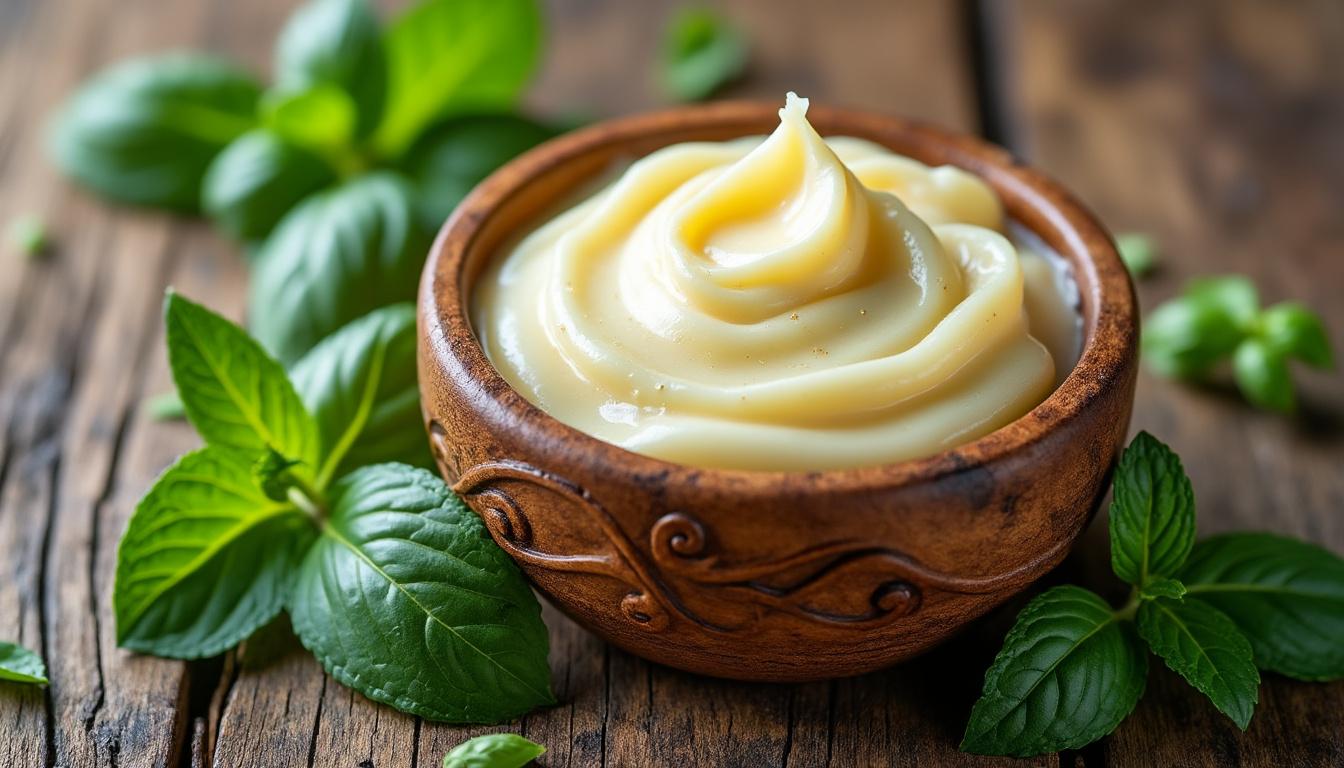
Exploring the Benefits of Beef Tallow for Skin Nourishment and Hydration
For centuries, beef tallow has been revered as a nourishing skincare staple, mainly due to its ability to support hydration and reinforce the skin’s barrier function. Its fatty acid profile has particular anti-inflammatory properties which can help soothe irritated or red skin. People suffering from conditions like eczema, psoriasis, or dry sensitive skin sometimes turn to tallow-based products for relief.
Beef tallow’s thick consistency effectively prevents transepidermal water loss by forming a protective layer over the skin. This occlusive effect reduces moisture evaporation, which is especially helpful during harsh environmental conditions such as winter or in dry climates. Unlike some plant oils that may be quickly absorbed or can oxidize, tallow is relatively stable and has an incredibly long shelf life, which makes it a reliable option for long-term skincare use.
Users often report a noticeable improvement in skin texture and softness after incorporating tallow balms or lotions into their routines. For example, Ianthe’s story of healing stubborn dry skin at 55 highlights how tallow helped soothe irritation and restored suppleness where conventional lotions failed. Many people appreciate that tallow feels deeply moisturizing but not greasy when properly formulated, making it a versatile option for many skin types except perhaps the most oily or acne-prone.
In addition to hydration, beef tallow is praised for its potential anti-aging effects. The lipid-rich composition facilitates the penetration of nourishing vitamins and antioxidants deep into the skin layers, promoting cell turnover and elasticity. While the scientific community awaits more rigorous studies, anecdotal evidence and traditional use support beef tallow’s role in reducing fine lines and wrinkles, as well as calming inflammation linked to aging skin.
Here are some of the key benefits linked with well-formulated beef tallow skincare products:
- Deep hydration: restores moisture and reduces dryness by reinforcing the skin barrier.
- Skin barrier repair: essential fatty acids help maintain skin integrity and resilience.
- Anti-inflammatory properties: reduce redness and soothe irritated or sensitive skin.
- Rich in fat-soluble vitamins: supports cellular repair, elasticity, and antioxidation.
- Long shelf-life and stability: natural preservative qualities when sourced and processed properly.
- Eco-friendly alternative: supports sustainable and regenerative farming practices.
Despite these advantages, consumers should exercise caution. The lack of standardized formulation and low vitamin concentrations may limit visible results. It’s recommended to look for carefully crafted products such as those by brands like Primally Pure and Clara & Fritz, which prioritize high-quality, organic ingredients and cruelty-free sourcing.
Risks and Considerations: Is Beef Tallow Safe for All Skin Types?
While beef tallow holds promise as a natural moisturizer and nourishing skincare ingredient, it is not without risks. Dermatologists like Dr. Angela Wei have expressed concerns that using beef tallow might not be suitable for everyone due to its composition and the lack of regulatory standards in the industry. One critical aspect is its high saturated fat content, which can potentially clog pores and exacerbate acne or oily skin conditions.
Its thick, viscous nature means it can trap heat and oils beneath the skin surface, which may lead to increased breakouts in susceptible individuals. Similar to coconut oil and other heavy natural moisturizers, beef tallow might be too occlusive for those with oily or acne-prone skin. Additionally, many commercial tallow products add fragrances to mask its natural scent, which can irritate sensitive skin or trigger allergic reactions.
Sun protection is another consideration. Contrary to some natural oils that offer low-level UV protection, beef tallow does not possess any sun-blocking properties. Due to its potentially thick layer on the skin, it might increase sensitivity to sunburn unless used in conjunction with proper sunscreen. This makes it essential to include broad-spectrum sun protection in any skincare routine involving tallow.
Furthermore, the unregulated nature of beef tallow skincare products means ingredients and nutrient concentrations can vary widely between suppliers and batches. Without preservatives, pure tallow can spoil or go rancid if not stored properly. Consumers should purchase from reputable brands and consult with a dermatologist before adding tallow to their regimen, especially if they suffer from skin sensitivities, allergies, or chronic dermatological conditions.
To summarize the potential risks associated with beef tallow skincare use:
| Potential Risks | Description | Relevant Concerns |
|---|---|---|
| Clogged pores | Thick, heavy nature can block pores | Increased breakouts in acne-prone skin |
| Skin irritation | Fragrances and occlusive heat retention | Risk of redness, rosacea flare-ups, sensitivity |
| Allergic reactions | Potential for new sensitivities despite no beef allergy | Possible rashes or dermatitis |
| Sunburn risk | No UV protection and potential increased sensitivity | Requires careful sun protection use |
For a balanced view, consult the latest dermatologist insights on beef tallow skincare to make an informed decision tailored to your skin’s needs.
Incorporating Beef Tallow Into Your Skincare Routine: Practical Tips and Brand Recommendations
To harness the benefits of beef tallow safely, incorporating it mindfully into your daily regimen is crucial. Because beef tallow is a potent and dense ingredient, it’s best used as a supplementary moisturizing balm or layered on top of lighter serums and lotions. Many users find applying a small amount to dry areas—such as elbows, hands, or cheeks—yields excellent results without overwhelming the skin.
Some tallow-based formulations combine the fat with botanical extracts, essential oils, and other natural ingredients that complement its nourishing properties while enhancing scent and texture. For example, Primally Pure’s Everything Balm integrates emu oil and calendula flower to help soothe redness and inflammation, making it suitable for irritated skin. Similarly, Lady May offers hand-whipped tallow balms infused with natural essential oils providing a delicate fragrance and additional skin benefits.
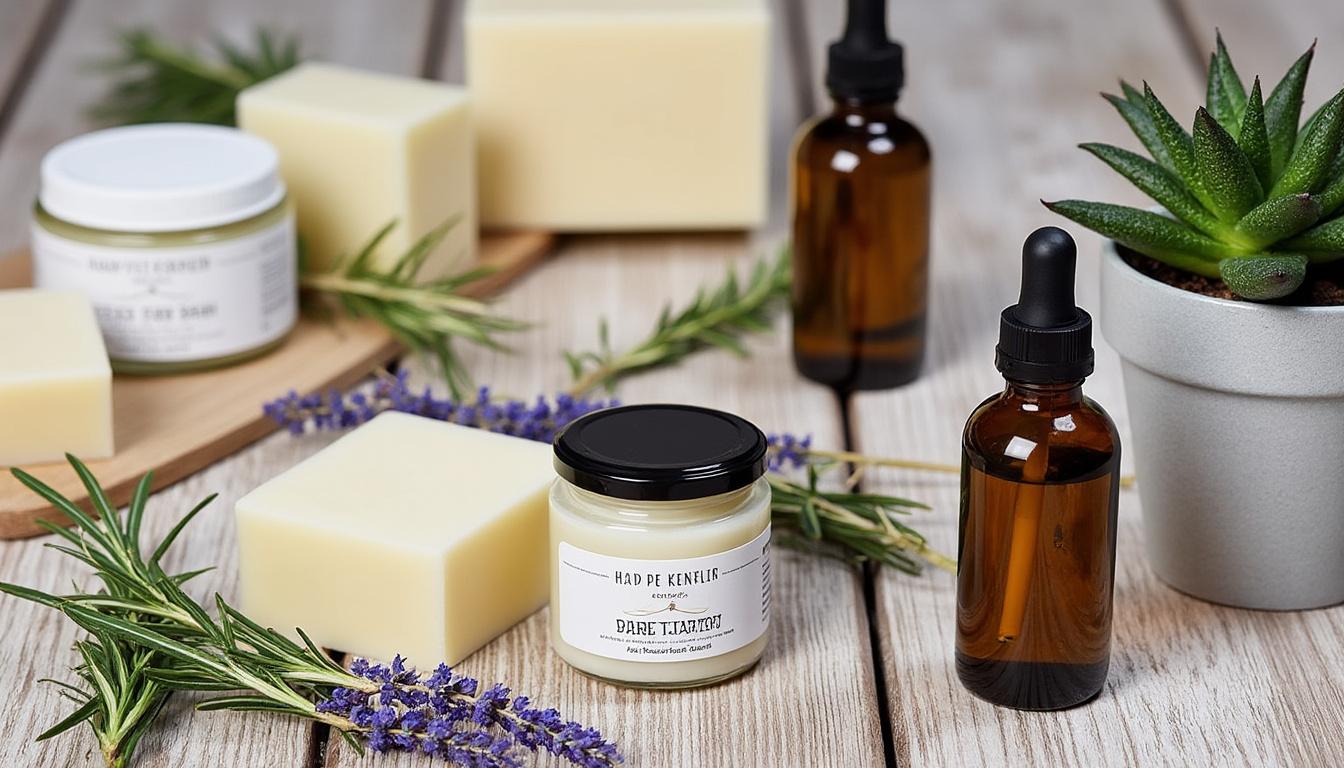
The table below highlights some reputable tallow skincare brands and what distinguishes them:
| Brand | Primary Ingredients | Key Benefits | Target Skin Concern | Price Range (USD) |
|---|---|---|---|---|
| Primally Pure | Grass-fed beef tallow, emu oil, beeswax, vitamin E | Calms irritation, deep hydration | Dry, sensitive skin | $30+ |
| Lady May | Grass-fed beef tallow, essential oils | Natural fragrance, skin softening | Tired eyes, dry skin | $11+ |
| Clara & Fritz | Grass-fed beef tallow, olive oil, rosehip oil | Oil cleansing, balances oily skin | Combination, oily skin | $14+ |
| Ancestral Cosmetics | Irish grass-fed beef tallow, beeswax, zinc oxide | Physical sun protection, acne help | All skin types | $17+ |
As beef tallow regains attention in 2026, it joins a growing portfolio of nature-derived options in clean beauty. Those looking for a vegan alternative may explore plant-based oils and butters that replicate some of tallow’s moisturizing effects, though the biochemical similarity with human sebum remains unique to tallow.