The cosmetics industry stands on the brink of a transformative era in 2026, with advances that merge cutting-edge technology with evolving consumer expectations. This dynamic landscape is no longer confined to traditional beauty; it embraces personalized skincare, sustainable formulations, and inclusive products that cater to a broader spectrum of needs and identities. Today’s beauty trends emphasize not just aesthetic results, but also wellness, transparency, and ethical responsibility.
From breakthrough biotech innovations generating lab-grown active ingredients to artificial intelligence frameworks that personalize skincare routines with unprecedented accuracy, cosmetics in 2026 are at the intersection of science and creativity. Consumers are increasingly attuned to the provenance and impact of their products, driving demand for natural ingredients and sustainable cosmetics that align with their values. Meanwhile, digital tools such as virtual try-ons and AI-driven diagnostics are reshaping the shopping experience, creating seamless, immersive interactions that empower users to make smarter choices.
Industry growth forecasts reflect this momentum, predicting the global cosmetics market to surpass USD 556 billion by 2032. This surge is fueled by emergent trends including dermocosmetics, men’s grooming expansion, and cosmetic nanotechnology. Brands must navigate not only the evolving formulations but also embrace inclusivity and diversity in their offerings, responding to a broad consumer base expecting representation and functionality combined.
As the cosmetic world advances, it offers a glimpse into how beauty can be redefined through innovation, ethics, and personalization. This exploration of the latest beauty technology and makeup innovation trends offers a comprehensive view of what shapes beauty in 2026 and beyond.
Key Highlights in Brief:
- Personalized Cosmetics: Valued at over USD 47 billion by 2034, personalized skincare uses AI and biometrics to tailor products to individual needs, reducing waste and enhancing results.
- Dermocosmetics Growth: Driven by scientific trust, this market will reach over USD 146 billion by 2032, combining medical-grade active ingredients with cosmetic appeal.
- Rise of Sustainable Cosmetics: The natural and organic segment is expanding rapidly, with brands committing to bio-based formulations and clean beauty standards.
- Diversity and Inclusion: Inclusive product ranges and accessible designs meet the demand from a diverse global audience, supporting a USD 119 billion market by 2033.
- Digital Beauty Experiences: Virtual try-ons and 3D-printed makeup improve consumer engagement, with the virtual beauty market expected to grow significantly by 2029.
Revolutionizing Skincare with Personalized Cosmetics and Beauty Technology
The personalized cosmetics sector leads a major shift in how individuals approach skincare and makeup in 2026. Instead of relying on generic products, consumers now expect formulations designed precisely around their skin’s unique characteristics such as tone, texture, hydration levels, and specific concerns like pigmentation or sensitivity.
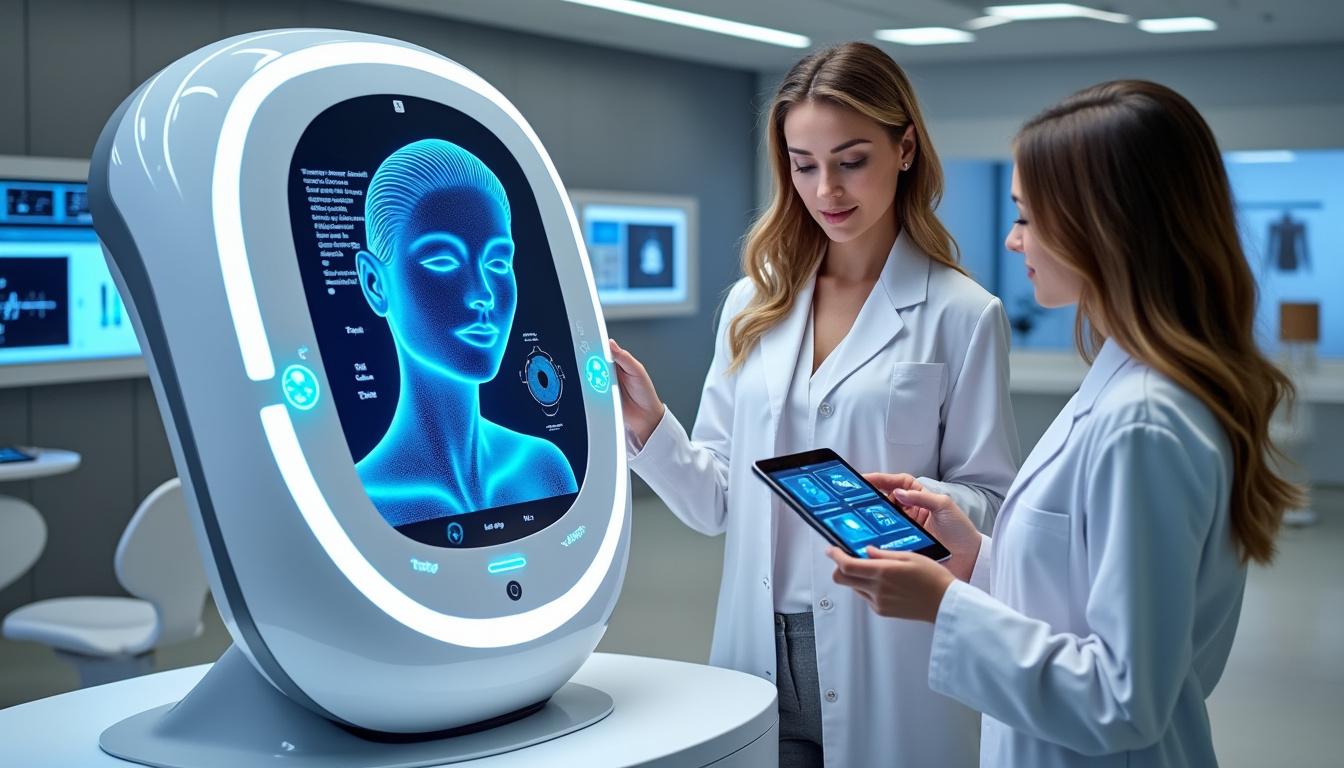
Advancements in AI-powered diagnostic tools have made this possible for a broader audience. Platforms such as South Korea’s Lululab Lumini utilize facial scanning technology combined with deep learning algorithms to analyze skin health in real time, enabling brands to formulate personalized products that adapt to changing needs. This technological democratization allows both emerging startups and established houses to offer highly customized regimens without the wait or expense traditionally associated with personalized beauty.
Take Prose’s custom haircare solutions as an example, where over 85 personal factors including environment, lifestyle, and genetics are incorporated to create adaptive routines. This data-driven approach ensures that customers receive treatments formulated specifically for their hair or skin type, optimizing product efficacy while reducing unnecessary ingredients and packaging waste.
Moreover, big names in the industry are investing heavily in these innovations. L’Oreal’s Perso device further exemplifies this trend by offering at-home real-time formula dispensing based on comprehensive skin and environmental assessments. This kind of integration of biometrics and AI in beauty supports not only improved results but also represents a step forward in sustainability by minimizing overproduction and excess inventory.
The benefits of personalized cosmetics are compounded by their contribution to consumer education. Diagnostic systems like Canfield’s VISIA or digital twins simulate skin conditions invisible to the naked eye, empowering users to understand their skin’s needs deeply and track improvements accurately over time. This transparency enhances trust and satisfaction, key elements in today’s beauty market.
How Personalized Products Are Changing Consumer Habits
Personalization is no longer a luxury reserved for the few. With the integration of AI and AR in shopping experiences, more consumers can access beauty solutions tailored just for them through smartphone apps or in-store consultations. This also shifts purchasing behavior toward made-to-order production, which significantly reduces waste commonly associated with mass manufacturing.
In 2026, around 72% of consumers show willingness to pay a premium for customized cosmetics, demonstrating a strong market appetite for these technologies. As a result, companies with scalable AI-driven personalization platforms are expanding globally—from North America to the booming Asia-Pacific market, especially India, which is predicted to witness one of the highest CAGR rates in beauty tech investment.
For skincare enthusiasts, this means less trial and error and better adherence to routines that suit their skin, ultimately promoting healthier, more resilient skin over time. In makeup innovation, numerous AI platforms such as Sofiqe refine shade-matching systems to accommodate every skin tone and undertone, advancing inclusive beauty while providing real-time virtual visualizations.
The marriage of technology and cosmetics fundamentally transforms the beauty experience into one that is precise, convenient, and deeply personal, a hallmark of 2026’s beauty revolution. To explore the full scope of emerging beauty technology disrupting traditional models, visit this insightful resource on cosmetic industry trends.
Dermocosmetics and Clean Beauty: The Intersection of Science and Sustainability
Dermocosmetics continue their meteoric rise, melding medical-grade actives with cosmetic formulations to serve sensitive, aging, and problematic skin types. The global market for dermocosmetics is on track to exceed USD 146 billion by 2032, underpinned by increasing occurrences of inflammatory skin conditions and an elevated demand for scientifically validated skincare.
Brands such as CeraVe and innovative startups like Deconstruct lead the charge in delivering products backed by clinical research that addresses acne, sensitivities, and aging. With 44% of clean beauty consumers considering clinical studies a trust pillar, the fusion of beauty and healthcare is becoming a staple, not an exception.
Nanotechnology further enhances these formulations by protecting and delivering active ingredients deep into the skin, simultaneously boosting efficacy and tolerability. For instance, L’Oreal’s nano-encapsulated retinol formulations prolong active impact while minimizing irritation—a common concern with retinoid use.
Beyond efficacy, sustainability and ethical responsibility are rising priority factors. The clean beauty movement has gained momentum, with consumers increasingly seeking natural ingredients and transparent sourcing. The natural and organic cosmetics market is projected to nearly double in value by 2035, reaching USD 95.7 billion, propelled by brands that utilize biotechnological advances to source eco-friendly actives.
Innovative Startups Leading in Dermocosmetics and Clean Beauty
Indian startup Cosmofix exemplifies the scientifically rigorous approach to dermocosmetics by developing clinically proven formulations tailored for diverse skin concerns and types. Their attention to incorporating nutraceuticals into topical products enables a holistic approach to skin health, merging internal nutrition with external care.
Another noteworthy player is MCS Laboratory from Poland, which formulates epigenetic cosmetics that target complex skin conditions like vascular issues and hyperpigmentation without harsh chemicals. Their use of liquid crystal technology enhances ingredient delivery and skin barrier repair, which aligns with the increasing consumer demand for gentle yet effective solutions.
Natural ingredient sourcing is also transforming through green chemistry methods. Techniques such as supercritical CO2 extraction purify botanical extracts without toxic solvents, maintaining potent bioactivity while meeting sustainability standards. French startup L’oree du sud combines artisanal preparation with certified organic ingredients to produce skincare products that respect both nature and the skin’s integrity.
Incorporating biotechnology within the clean beauty framework advances sustainable formulations. Companies like Amyris create alternatives to silicones using sugarcane fermentation, reducing environmental footprint and supporting cruelty-free production. This convergence of biotech and natural ingredients satisfies the modern consumer’s demand for high-performance yet eco-conscious cosmetics.
| Trend | Market Size Projection (2030+) | Key Drivers | Example Companies |
|---|---|---|---|
| Personalized Cosmetics | USD 47.4 Billion | AI, Biometric Diagnostics, Consumer Demand for Individualization | Prose, Lululab, L’Oreal Perso |
| Dermocosmetics | USD 146.4 Billion | Rising Skin Conditions, Scientific Validation, Nanotechnology | CeraVe, Deconstruct, Cosmofix |
| Natural & Organic Ingredients | USD 95.7 Billion (2035) | Sustainability, Clean Beauty, Biotech Derived Ingredients | L’oree du sud, Amyris, Herbivore Botanicals |
The intersection of clean beauty and dermocosmetics represents a major pillar in the future of skincare that balances efficacy, safety, and sustainability. For additional perspectives on these fast-evolving sectors, the leading cosmetic industry sources provide in-depth trend analyses worth exploring.
Diversity, Inclusion, and the Emerging Men’s Grooming Cosmetic Markets
The expanding focus on diversity and inclusion reflects a fundamental cultural shift in beauty standards. Representation across skin tones, hair textures, gender expressions, and physical abilities underscores the industry’s commitment to meeting the needs of all consumers.
Beauty brands now offer extensive foundation shade ranges, gender-neutral products, and accessibility-focused packaging. Fenty Beauty’s groundbreaking effort to provide 50 foundation shades demonstrated not only immense commercial success but also set new industry benchmarks that others have rapidly adopted.
Recent market research shows nearly 40% of beauty consumers prefer gender-neutral products, with an even higher percentage of users seeking products designed for neurodivergent or physically challenged individuals. Technologies such as L’Oreal’s HAPTA, a device aiding those with limited hand mobility, illustrate thoughtful product design extending inclusivity beyond aesthetics to function.
Parallel to inclusivity, the men’s grooming and beauty market skyrockets, forecasted to reach an astonishing USD 448 billion by 2032. Shaking off stereotypes, men increasingly embrace skincare, cosmetic, and fragrance products as part of their wellness and self-care routines.
Technology Enhancing Accessibility and Men’s Grooming
Advanced digital tools contribute greatly to the inclusivity movement. Facial recognition apps powered by AI evaluate skin health and beard density, offering bespoke grooming solutions. These apps, combined with augmented reality (AR), allow men and people with diverse needs to virtually explore different styles and cosmetic adjustments before purchase.
Moreover, smart grooming devices integrate IoT technology, delivering personalized shaving guidance and product recommendations based on facial structure and hair type. Corporate interest, such as Boots’ reported 14% increase in male beauty shoppers, reflects growing acceptance and normalization of men’s cosmetics.
Startups like EDO Sthlm focus on sustainable, locally sourced men’s products, blending eco-consciousness with efficacy, while Provalo Cosmetics from India targets common male skin concerns with vegan, cruelty-free formulations enriched with natural extracts and actives like salicylic acid and vitamin C.
- Extensive shade ranges addressing multiple skin tones
- Gender-neutral and accessibility-focused packaging and formulation
- AI and AR-powered diagnostic and virtual try-on tools
- Growth of men’s grooming products integrating skincare tech
- Sustainability and clean beauty principles applied to diverse and male-focused products
Virtualization, 3D Printing, and Blockchain: Redefining Beauty Experiences
Digital transformation reshapes how consumers interact with beauty brands, bringing convenience, customization, and transparency to the fore. Virtual try-on technologies have moved beyond basic filters to highly advanced AI and AR systems that simulate makeup application with near-photorealistic precision. These tools do more than enhance purchase confidence; they reduce product returns and physical waste by minimizing the need for testers.
The virtual beauty market is growing rapidly, predicted to reach USD 2.59 billion by 2029, driven by retailers such as Sephora with its Virtual Artist and L’Oreal’s acquisition of Modiface. These platforms leverage facial mapping, computer vision, and machine learning to personalize experiences and recommend suitable products instantly.
3D-printed makeup follows this experiential shift, enabling customers to receive bespoke lipsticks, foundations, and applicators produced on demand. This technology significantly lowers environmental impact by decreasing overproduction and packaging waste. YSL’s Rouge Sur Mesure is a pioneering example, allowing users to print custom lipstick shades from cartridges, combining luxury with sustainability.
Blockchain technology, often underappreciated in beauty discussions, is gaining traction as a solution for product traceability and authenticity. It combats counterfeit products and helps brands prove claims about ingredient sourcing, ethical practices, and environmental impact. Estee Lauder’s vanilla sourcing transparency via blockchain illustrates how these systems foster consumer trust and brand accountability.
| Technology | Primary Benefit | Market Outlook | Brand Examples |
|---|---|---|---|
| Virtual Try-On (AI/AR) | Enhanced engagement, reduce returns, personalized shopping | USD 2.59 Billion by 2029 | Sephora, L’Oreal Modiface, Perfect Corp |
| 3D-Printed Makeup | Hyper-personalization, sustainability, on-demand manufacturing | Growing at 6.2% CAGR | YSL Rouge Sur Mesure, Chanel E.Y.E. |
| Blockchain | Product authentication, supply chain transparency, trust | USD 1.2 Billion by 2030 | Estee Lauder, AT Blockchain Software |
Advances in these technologies collectively enhance the customer journey, making the beauty experience more interactive, sustainable, and trustworthy. The fusion of these digital tools and traditional cosmetics heralds a beauty future that is as much about transparency and personalization as it is about enhancing natural beauty.
For a deep dive into these emerging trends, their market impact, and leaders in innovation, you can explore comprehensive reports such as cosmetic trends 2026 insights which map the technological breakthroughs shaping our cosmetic futures.