
To remove skin tanning at home, you can try gentle exfoliation with a soft washcloth and mild cleanser twice weekly. Natural ingredients like lemon juice, turmeric, and aloe vera help combat hyperpigmentation. DIY masks combining curd, turmeric, honey, and sandalwood powder brighten skin effectively. After treatments, apply alcohol-free moisturizers and always finish with sunscreen. If tanning persists after several weeks of home remedies, professional guidance may offer more targeted solutions.
Key Takeaways
- Regular gentle exfoliation with mild cleansers or AHAs removes dead skin cells and reduces tan appearance.
- Lemon juice contains natural bleaching properties that lighten darkened areas when applied for 10-15 minutes.
- Turmeric-honey masks reduce hyperpigmentation while providing antibacterial benefits and moisture to healing skin.
- Aloe vera gel inhibits melanin production and soothes sun-damaged skin when applied daily.
- Consistent moisturization with vitamin C serums helps repair and brighten tanned skin while preventing further damage.
Understanding Skin Tanning and Its Effects
While many people associate tanned skin with a healthy glow, it’s actually your body’s defense mechanism against damage. When your skin is exposed to UV radiation, it produces more melanin to protect deeper layers, darkening your skin tone in the process.
This protective response often leads to uneven coloration, hyperpigmentation (dark patches), and accumulation of dead skin cells on the surface. Over time, tanning can cause premature aging, dullness, and increase your risk of skin cancer.
Regular exfoliation helps reduce the appearance of tanning by removing the outer layer of affected skin cells.
However, prevention remains your best strategy—using sunscreen, wearing protective clothing, and limiting sun exposure during peak hours (10 a.m. to 4 p.m.) can protect your skin from harmful UV radiation.
Gentle Exfoliation Methods for Tan Removal
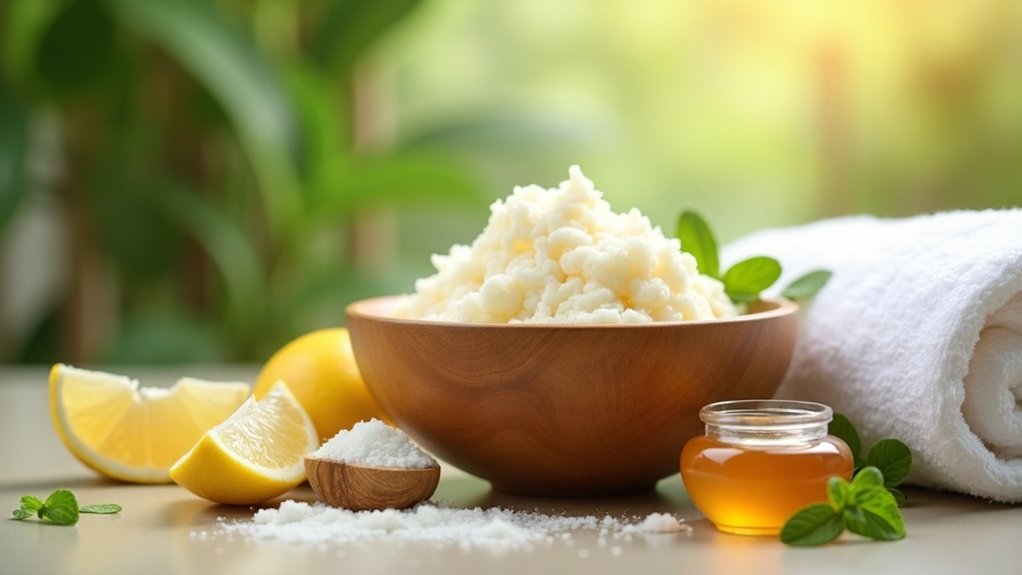
Because your skin continuously regenerates itself, gentle exfoliation can help speed up the natural process of shedding tanned skin cells.
You’ll want to choose an exfoliation method that suits your specific skin type to avoid irritation while effectively removing pigmented cells.
If you have sensitive or dry skin, opt for a soft washcloth with a mild cleanser, preserving the natural oils present in your skin.
For oilier complexions, chemical exfoliants containing alpha hydroxy acids work effectively to dissolve dead skin cells.
Remember to exfoliate no more than twice weekly to prevent damage to your skin barrier.
After exfoliating, always apply an aloe-based moisturizer to soothe your skin and lock in hydration.
This combination of gentle exfoliation and proper moisturizing will gradually reveal brighter, less tanned skin.
Natural Ingredients That Combat Hyperpigmentation
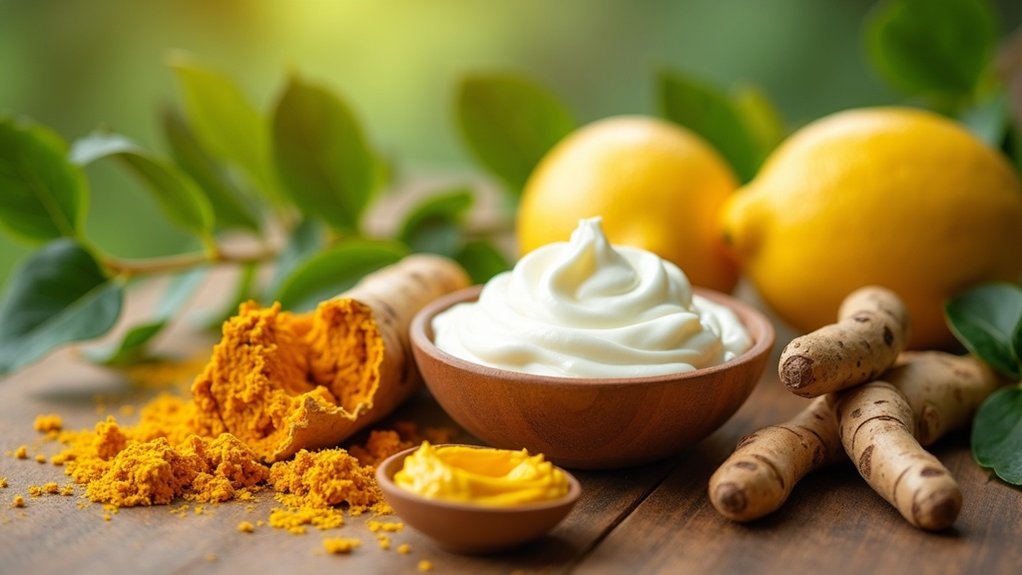
Nature offers a treasure trove of powerful ingredients to address unwanted tan and hyperpigmentation.
Lemon juice’s citric acid works effectively to lighten darkened skin, though you’ll want to use it cautiously if you have sensitivity.
Turmeric, with its powerful compound curcumin, reduces dark spots while calming inflammation—making it ideal for those with reactive skin.
Aloe vera contains aloin that inhibits melanin production, helping your skin gradually fade hyperpigmentation when applied consistently.
Don’t overlook honey, which moisturizes while its antibacterial properties prevent additional pigmentation issues.
For maximum results, incorporate vitamin C-rich fruits and vegetables into your skincare routine.
This potent antioxidant improves skin tone and boosts collagen production, creating healthier skin that naturally resists hyperpigmentation.
DIY Face Masks for Brightening Tanned Skin
Treating tanned skin at home becomes remarkably effective when you incorporate specially formulated face masks into your skincare routine.
A powerful DIY option combines 1 tablespoon each of ground flour and curd, along with a pinch of turmeric, 1 teaspoon of honey, and half a teaspoon of sandalwood powder.
This mixture works wonders because curd and honey act as natural bleaching agents that help reduce tanning while moisturizing dry skin.
Turmeric adds anti-aging benefits and further lightens your complexion.
For best results, gently massage the mask onto your face in circular motions, leave it on for 20-30 minutes, then rinse with cool water.
You’ll likely notice significant brightening after just one application, making this an excellent weekly treatment for maintaining clear, radiant skin.
Post-Treatment Skin Care and Moisturization
After applying tan removal treatments, you’ll need to replenish your skin’s moisture barrier with alcohol-free, fragrance-free moisturizers, preferably those containing soothing aloe vera.
You should incorporate gentle exfoliation into your routine to help remove dead skin cells and enhance the effectiveness of your tan removal efforts.
Always finish with a broad-spectrum sunscreen to protect your newly treated skin from UV damage, which is especially important after exfoliation when your skin is more vulnerable to the sun’s rays.
Post-Treatment Skin Care and Moisturization
Once you’ve completed your skin tanning treatment, proper aftercare becomes essential for maintaining healthy, hydrated skin.
Apply a gentle, aloe-based moisturizer in a circular motion to replenish moisture and help ensure your tan fades over time naturally and evenly.
Don’t forget to use sunscreen with at least SPF 30 daily, even on cloudy days. This protection is crucial to prevent new tanning while your skin recovers.
Consider incorporating a soothing serum with vitamin C or hyaluronic acid to enhance recovery and promote even skin tone.
Avoid harsh exfoliants immediately after treatment as they can irritate sensitive skin.
Instead, focus on consistent moisturization to support your skin’s elasticity and suppleness, creating the perfect foundation for healing and maintaining your results.
Hydration for Healing
Proper hydration serves as the foundation of effective post-tanning skin care, working to replenish vital moisture that’s often depleted during the tanning process.
After treating tanned skin, apply aloe vera-based moisturizers to soothe irritated areas while preventing excessive dryness. These soothing ingredients calm the skin while supporting its natural healing capabilities.
Incorporate hydration techniques like drinking plenty of water throughout your day, which improves your complexion from the inside out.
For enhanced moisture retention, add a hyaluronic acid serum to your routine before applying your regular moisturizer. This powerful combination locks in hydration and improves skin texture.
Remember to moisturize consistently, as this maintains elasticity and creates a protective barrier against further environmental damage, helping those you care for maintain healthy, radiant skin.
Sun Protection Essentials
The next step in your post-tanning skin care journey involves implementing strong sun protection measures.
After any tan-removal treatment, apply broad-spectrum SPF 30+ sunscreen using proper sunscreen application techniques—covering all exposed areas and reapplying every two hours when outdoors.
Complement your skin care routine with protective clothing styles such as wide-brimmed hats and long-sleeved shirts that shield your healing skin from harmful UV rays. These physical barriers work alongside your sunscreen for comprehensive protection.
Don’t forget to nourish your skin from within by consuming antioxidant-rich foods like berries, citrus fruits, and leafy greens.
These foods support your topical vitamin C products, enhancing skin recovery and preventing future tanning.
Regular aloe-based moisturizing keeps your skin hydrated while supporting the healing process.
Preventing Future Tanning and Sun Damage
While treating existing tan is important, preventing future skin damage requires consistent protective habits that you’ll need to incorporate into your daily routine.
Apply broad-spectrum sunscreen with SPF 30+ using sunscreen application techniques like the two-finger method for adequate coverage, reapplying every two hours when outdoors.
Embrace protective clothing styles such as lightweight, long-sleeved shirts and wide-brimmed hats that shield your skin without causing overheating.
Develop shade seeking strategies by planning outdoor activities before 10 a.m. or after 4 p.m. when UV rays are less intense.
Additionally, boost your skin’s defense by incorporating antioxidant-rich skincare products containing vitamins C and E.
Maintain regular moisturizing to strengthen your skin’s natural barrier against environmental damage.
When to Seek Professional Help for Stubborn Tanning
While home remedies are effective for most cases of skin tanning, you’ll need to consult a dermatologist if your skin doesn’t improve after several weeks of consistent treatment.
Professional help is particularly important if you’re experiencing persistent hyperpigmentation that doesn’t respond to over-the-counter products, or if you notice unusual changes in your skin’s appearance.
If you have sensitive skin that reacts negatively to home treatments with redness, itching, or increased discomfort, it’s time to seek expert guidance for safer, medical-grade solutions.
When to Seek Professional Help for Stubborn Tanning
Despite your best efforts with home remedies, stubborn skin tanning sometimes won’t budge, signaling it’s time to consult a dermatologist.
If you’ve been consistently applying natural treatments for several weeks without seeing improvement, a professional evaluation can determine why your skin isn’t responding as expected.
A dermatologist will perform a thorough skin assessment to identify whether your tanning is actually caused by an underlying condition requiring specialized care.
They’ll also check if the persistent discoloration accompanies other symptoms like itching, redness, or peeling—possible signs of more serious issues.
Don’t continue using remedies that cause irritation or sensitivity.
Instead, seek professional guidance for customized treatment options.
Your dermatologist can recommend prescription-strength products specifically formulated for your skin type that offer safer, more effective results than continued home experimentation.
Persistent Hyperpigmentation Issues
Hyperpigmentation that refuses to fade represents a specific category of skin concerns beyond typical tanning issues.
If you’ve consistently applied home remedies for several weeks without seeing improvement, it’s time to consult a dermatologist. Various hyperpigmentation causes, including melasma or post-inflammatory conditions, may require professional diagnosis based on your specific skin type.
Dermatologists can recommend specialized treatment options unavailable over-the-counter, such as prescription-strength retinoids or customized chemical peels.
You should especially seek professional evaluation if your hyperpigmentation is accompanied by itchiness or redness, as these symptoms might indicate underlying conditions requiring immediate attention.
Skin Sensitivity Concerns
Because your skin’s reaction to tanning treatments can vary significantly, it’s crucial to recognize when home remedies might be causing more harm than good.
If you notice persistent redness or skin irritation after applying natural treatments, don’t ignore these warning signs.
Those with sensitive skin, eczema, or rosacea should consult with a dermatologist before trying any tanning removal methods.
Pay careful attention to allergy reactions such as itching, burning, or rash development—these indicate you should stop treatment immediately and seek professional guidance.
When over-the-counter products cause excessive dryness or your dark spots worsen despite consistent treatment, it’s time for expert intervention.