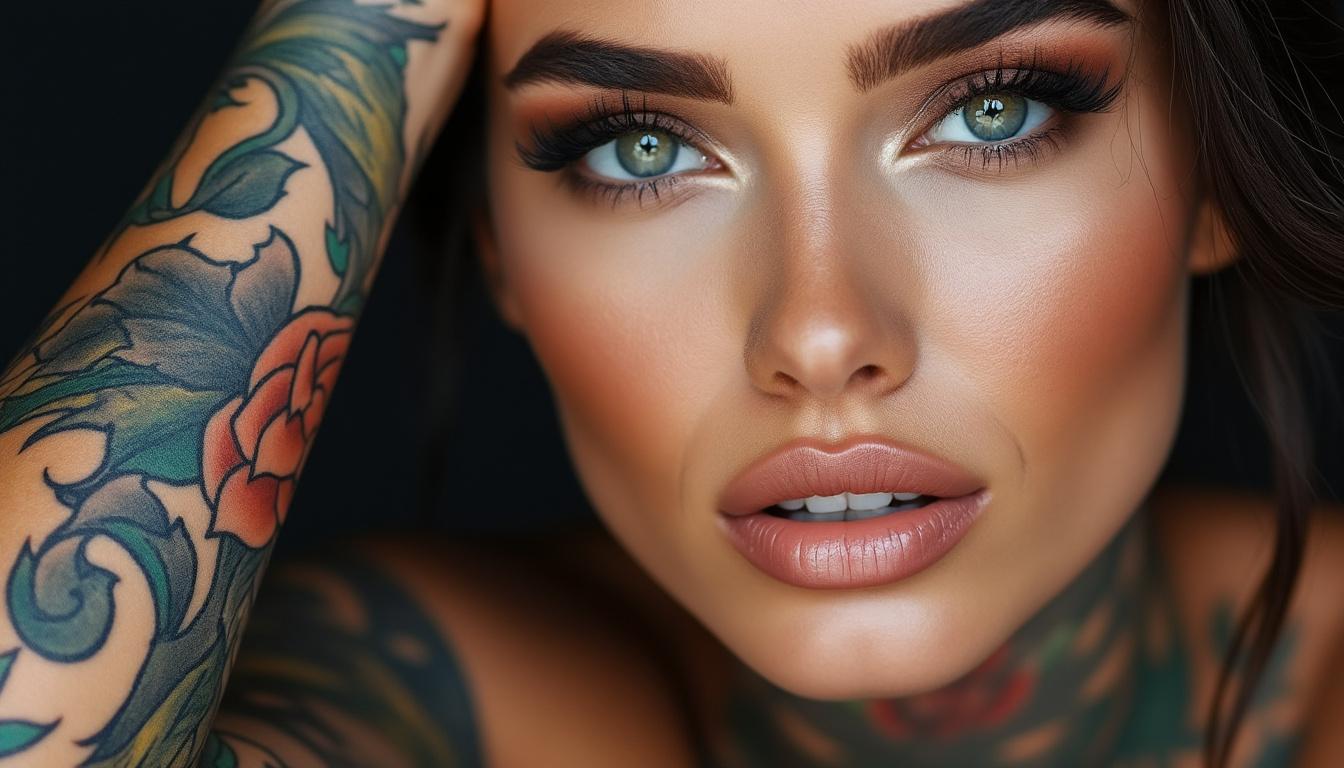
In the dynamic world of beauty, mastering makeup techniques for tattoo cover and achieving flawless skin has become a coveted skill. Tattoos, being a form of self-expression, sometimes require temporary concealment—be it for professional settings, formal occasions, or personal preference. The challenge lies not just in hiding the ink but doing so with finesse that maintains natural skin texture while offering durable coverage. This blend of artistry and science involves understanding color correcting, selecting the right concealers and full coverage foundations, and employing long-lasting makeup products tailored for tattoo camouflage. Each step, executed with precision, contributes to a seamless finish that conceals without masking your skin’s authentic beauty.
Many individuals are turning to meticulous makeup routines to transform tattooed skin into a flawless canvas, making it an expertise essential to modern beauty aficionados. Whether dealing with small, intricate designs or larger, more colorful tattoos, the principles remain consistent: preparation, correction, coverage, and setting. This approach ensures the makeup not only stays in place under different environmental stresses but also looks natural—steering clear of that heavy, cake-like appearance which often reveals the secret underneath. With the cosmetic industry in 2026 pushing innovations in waterproof and breathable formulas, achieving full coverage while preserving skin health has never been easier or more accessible. Below, we explore effective makeup techniques intended to elevate your tattoo cover routine and leave your skin looking impeccably smooth.
Key Highlights to Keep in Mind:
- Start with clean, fully healed skin to ensure safety and efficacy.
- Employ color correcting methods tailored to neutralize tattoo pigments.
- Opt for full coverage, waterproof formulas designed for blemish camouflage.
- Layer makeup gently using blotting motions rather than rubbing.
- Set your makeup with translucent powder and setting sprays for all-day wear.
- Perform trial runs prior to important events to perfect your look.
Preparing Your Skin for Tattoo Cover: The Foundation of Flawless Makeup
Before any makeup brushes touch tattooed skin, thorough preparation is paramount. This foundational step is essential not just for coverage performance but also for maintaining skin health. Properly cleansed skin forms the canvas onto which makeup can adhere evenly, preventing patchiness or premature fading. Starting with clean skin removes oils, dirt, and environmental impurities that interfere with pigment application.
In practical terms, the approach varies depending on tattoo size and placement. For smaller tattoos, gentle cleansing using a facial wipe is adequate, while larger tattoos or those covering extensive areas benefit from showering with mild, fragrance-free cleansers. Importantly, makeup for tattoos must only be applied on fully healed skin. Fresh tattoos typically take 6 to 8 weeks to heal comprehensively; premature coverage risks irritation, ink fading, or infection.
Moisturizers, although beneficial in general skincare, are better applied well before makeup application to avoid excess oiliness which can cause makeup slippage. Instead, a targeted primer suited for tattoo cover is applied to smooth skin texture and create a gripping surface for foundation and concealers. Primers formulated to mattify oily skin and extend wear are particularly effective in this context. Dermatological guidance emphasizes gentle exfoliation and hydration in your overall regimen to improve skin suppleness, which directly translates to smoother makeup coverage and minimized patchiness.
This preparation stage is also a good time to examine your skin’s undertones and texture. Properly prepped tattooed skin can significantly enhance the efficacy of makeup for tattoos, ensuring a result that looks natural and feels lightweight. For a quick reference and expert insights on preparing skin for tattoo cover, consult this comprehensive guide that explores the nuances of skin readiness and makeup base creation.
Mastering Color Correcting Techniques to Neutralize Tattoo Pigments
One of the most transformative elements in tattoo cover makeup is color correcting. Unlike blemishes or redness, tattoos present a spectrum of pigment hues including deep black, dark blues, reds, and even greens, which clash with natural skin tone and cannot be concealed effectively by foundation alone. Applying full coverage foundation without correcting color disparities leads to uneven, noticeable coverage rather than seamless concealment.
Color correction capitalizes on understanding color theory, particularly the way complementary colors neutralize each other. For example, orange or peach-based correctors are especially adept at canceling out blue and black tattoo inks, while green correctors counterbalance red hues commonly found in colored tattoos. This crucial step creates a more uniform base that foundation can then cover without excessive layering, preventing a cakey or thick appearance.
The application process for correcting pigment involves gently stippling the chosen color corrector over the tattooed area with a damp makeup sponge or stippling brush. Rubbing the product can disturb the skin or smear pigments, so blotting motions are strongly recommended. Building thin, gradual layers enhances natural results and allows better control over coverage density. Allowing the corrector to settle for a brief moment before moving on prevents blending issues and helps lock the pigments in place.
This technique’s success also hinges on product selection, as formulas rich in pigments and designed specifically for color correction offer superior neutralizing power. Testing a small patch of skin ensures compatibility and prevents irritation, particularly for sensitive tattooed areas. In 2026, innovation has yielded correcting products that not only neutralize color but also provide skin-benefiting properties like hydration and skin texture smoothing, enhancing makeup wear comfort and skin appearance.
For more detailed instructions and tailored product recommendations on color correction prior to tattoo coverage, visit this expert resource that demystifies the art of neutralizing tattoo colors seamlessly.
Practical Color Correcting Tips:
- Identify dominant tattoo ink colors before selecting your corrector.
- Use a clean, damp sponge or stippling brush for smooth blending.
- Build up coverage slowly to avoid a cakey finish.
- Let the product dry before foundation application.
- Test products on a discreet area to avoid skin irritation.
Selecting Full Coverage Foundation for Effective and Long-Lasting Tattoo Cover
Once color correcting has harmonized your skin tone, the focus shifts to applying foundation that delivers both coverage and longevity without sacrificing a natural look. In 2026, full coverage foundations are engineered to combine opacity with breathable wear, making them highly suitable for tattoo concealment.
Foundation types vary from liquid and cream to innovative spray formulas. Spray foundations have revolutionized tattoo cover by enabling even, lightweight application that reduces streaking and heaviness. Holding the spray approximately 6–8 inches from the skin and applying in controlled bursts achieves an airbrushed effect that melds naturally with surrounding skin. A setting period of about a minute ensures the product settles evenly.
For those favoring liquid or cream foundations, using a stippling brush or damp sponge to dab and blend is recommended. This prevents disrupting the corrected pigments underneath. Finger blending can be reserved for softening edges once the foundation layer is established. The choice between these foundation types depends on personal preference, skin type, and the tattoo’s size and pigment intensity.
Many brands now offer waterproof and transfer-resistant formulas created explicitly for blemish camouflage and tattoo cover. Such properties guarantee durability even in humid conditions or during physical activity, which is crucial for all-day confidence. Moreover, these foundations often include skin-nourishing ingredients that contribute to skin texture smoothing, making the makeup look more like natural skin rather than a mask.
For thorough guidance on foundation selection and application strategies that yield professional results, explore techniques at this specialist article, where detail-oriented tutorials enhance your skill set.
Setting and Maintaining Tattoo Cover Makeup: Ensuring All-Day Perfection
After carefully preparing, correcting, and applying foundation, the final key lies in setting your makeup to guarantee lasting wear and maintain a flawless skin appearance. Failing to set can cause makeup to shift, smudge, or fade, revealing your tattoo and compromising your look.
Translucent powder provides a matte finish that controls shine without altering the foundation’s color. Using a large, soft brush to lightly dust over the covered area ensures pigments stay fixed. Pressing too hard or using dense powders can disrupt the layers beneath, leading to uneven coverage.
The application of setting spray follows as a crucial step. A waterproof setting spray envelopes the makeup in a protective, breathable film that withstands humidity, sweat, and contact with clothing. This spray also softens powdery finishes for a naturally smooth skin texture smoothing effect. Make sure the spray is applied evenly and given ample time to dry before dressing or touching the area.
Performing a trial run of your entire tattoo cover routine before important events is recommended. This practice enables you to refine product combinations, layering techniques, and timing, reducing the likelihood of surprises during critical moments. Carrying blotting papers for midday touch-ups and makeup removal wipes for gentle nighttime cleansing further enhances your experience.
Below is a useful checklist for setting your tattoo cover makeup:
| Step | Purpose | Tips |
|---|---|---|
| Apply Translucent Powder | Lock makeup, reduce shine | Use a large, soft brush; avoid pressing hard |
| Use Waterproof Setting Spray | Enhance longevity, prevent smudging | Spray in fine mist; allow to fully dry |
| Carry Blotting Papers | Touch-up to remove oil without disturbing makeup | Pat gently, do not rub |
| End-of-Day Cleansing | Remove makeup, maintain skin health | Use gentle makeup removal wipes or cleanser |
Alternative Tattoo Concealment Products and Tips for Flawless Skin
While traditional makeup techniques offer great flexibility, there are specialized products designed explicitly for tattoo cover that elevate the concealment game further. Kits such as Tattoo Camo, Dermablend, and Covermark combine primers, full coverage foundations, and setting powders optimized for diverse skin tones and tattoo colors. Many have been dermatologist-tested and include hypoallergenic formulas to safeguard sensitive skin.
Stage makeup brands including Killer Cover, Ben Nye, and Mehron cater to professional makeup artists with their intensely pigmented creamy products. These are especially ideal for theatrical settings or situations demanding extreme coverage beneath bright lighting or sweat-intensive conditions. Combining color correcting with such theatrical products results in impeccable opacity and durability, which is hard to achieve with traditional consumer makeup.
An innovative approach gaining popularity is the use of airbrush spray tans to mask lighter tattoos or subtly modify skin tones under makeup. This technique softens tattoo edges and evens out pigmentation while imparting a natural, sun-kissed glow. Accessible both in salons and with at-home kits, airbrush tanning adds a creative dimension to concealing tattoos without relying solely on heavy makeup layers.
For detailed product recommendations and expert insights into these alternative methods, see this informative article discussing the best makeup technologies for tattoo concealment and flawless skin looks.