
In the quest for the perfect smile, minor dental imperfections such as chips, gaps, and discolorations can lead to self-consciousness and diminished confidence. Cosmetic bonding offers a minimally invasive, affordable, and effective solution to enhance teeth aesthetics without the extensive procedures required by veneers or crowns. Harnessing a tooth-colored resin material chemically bonded to the tooth’s surface, cosmetic bonding delivers natural-looking, durable results often in just one visit. This procedure bridges the gap between simple tooth repair and full esthetic dentistry, enabling patients to achieve noticeable smile enhancement with limited downtime.
As optical appearance continues to influence social and professional interactions in 2026, techniques like cosmetic bonding have gained traction for their practicality and patient-friendly nature. Unlike treatments requiring significant enamel removal, bonding preserves tooth integrity while addressing a diverse range of esthetic concerns. The integration of advanced dental adhesives and resin materials enhances bond strength and longevity. Understanding cosmetic bonding’s principles, process, and maintenance empowers individuals to make informed choices about their dental health and aesthetics, a crucial aspect of holistic wellbeing today.
Brief highlights:
- Cosmetic bonding employs a durable, tooth-colored resin to restore chipped, cracked, or discolored teeth.
- The bonding procedure is minimally invasive, usually completed in one dental visit with no anesthesia needed.
- It serves as a cost-effective alternative to dental veneers and crowns while preserving natural tooth enamel.
- Illustrates versatility by offering solutions for uneven shape, gaps, and minor misalignment in addition to cosmetic improvements.
- Maintenance includes good oral hygiene, avoiding staining foods, and regular dental checkups to ensure long-lasting results.
Understanding the Science Behind Cosmetic Dental Bonding and Its Benefits
Cosmetic bonding is a cornerstone of esthetic dentistry, offering a conservative yet robust option for tooth restoration that appeals to diverse age groups. At its core, dental bonding utilizes a resin material designed to blend seamlessly with natural tooth shades. This synthetic resin mimics the enamel’s translucency and texture when skillfully applied and cured, making the enhancements virtually indistinguishable.
The bonding process begins with minimal tooth surface preparation. Unlike dental veneers, which often require enamel removal to fit a shell over the tooth, bonding lightly roughens the enamel to enhance adhesion. The application of dental adhesives chemically connects the resin to the tooth, creating a durable interface capable of withstanding daily wear.
One of the most compelling advantages of cosmetic bonding is its ability to provide immediate aesthetic improvement. Patients experiencing chipped or cracked teeth, gaps (diastemas), or blemishes can observe significant visual enhancement right after treatment. Furthermore, bonding is highly adaptable — dentists can layer and sculpt the resin in real-time to correct uneven contours or restore the natural anatomy of damaged teeth.
The procedure’s minimal invasiveness makes it particularly appealing for patients wary of more aggressive treatments. Because enamel removal is minimal or absent, bonding maintains tooth strength and reduces sensitivity risks. In comparison with dental veneers, which can cost several times more and require lab fabrication, bonding offers a budget-friendly alternative with comparable short-to-medium-term results.
Moreover, cosmetic dental bonding involves no discomfort or recovery time, making it suitable even for children and teens with minor cosmetic dental concerns. This flexibility allows it to address various common esthetic issues promptly and with less patient anxiety.
Incorporating bonding with other cosmetic procedures can further enhance outcomes. For instance, it complements teeth whitening by masking discolorations that whitening alone cannot eliminate. Patients can pair bonding with professional cleanings and routine dental hygiene practices to optimize the appearance and health of restored teeth over time.
The Step-by-Step Cosmetic Bonding Procedure: What to Expect During Your Visit
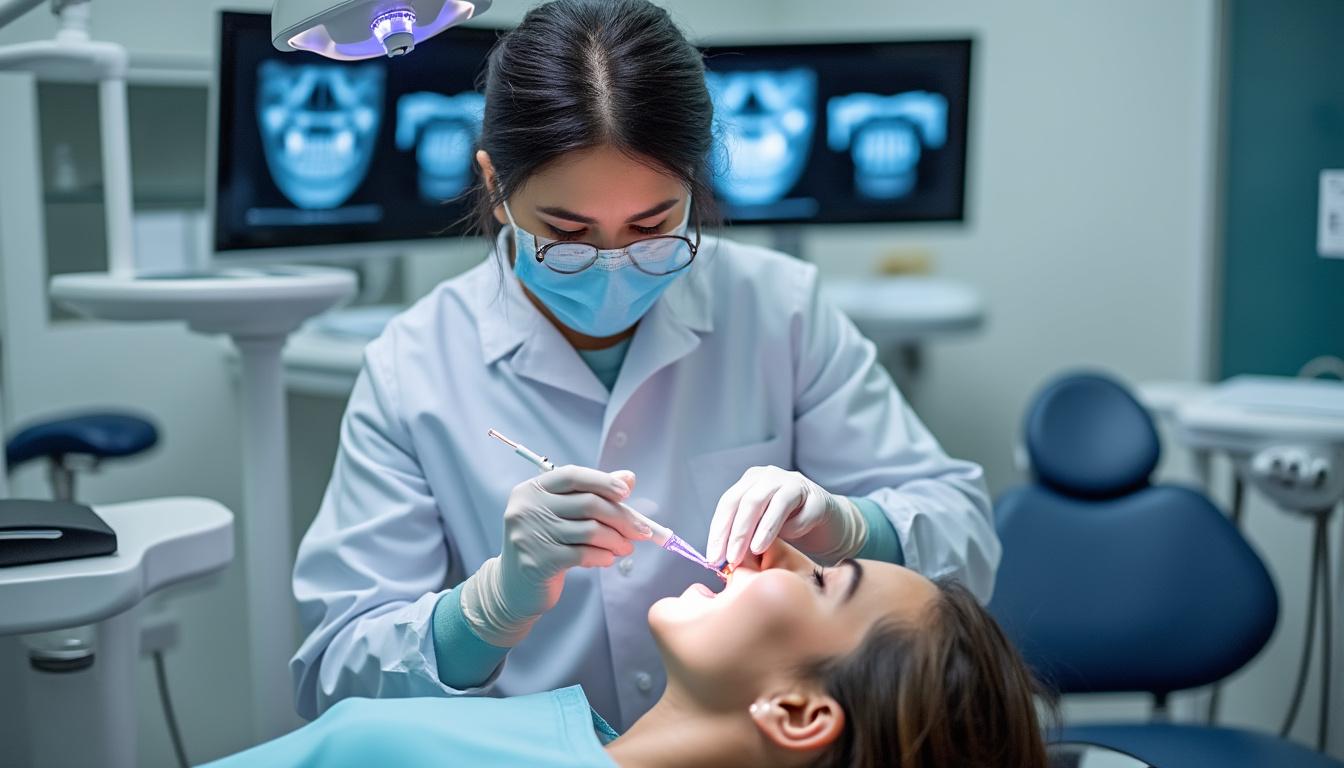
Exploring the details of the bonding procedure reveals why it has become a trusted choice. The process prioritizes patient comfort and efficiency, typically requiring only one visit lasting between 30 to 60 minutes per tooth depending on complexity.
Initially, the dentist examines the teeth to identify imperfections and establish a treatment plan matching the patient’s esthetic goals. Using a shade guide, the appropriate resin color is selected to ensure the result integrates naturally into the existing smile.
Preparation involves lightly roughening the tooth’s surface with a mild etching agent to increase surface area and foster better adhesion. Occasionally, a dental adhesive or conditioning liquid is applied, intensifying the bond between enamel and resin.
The resin material, a putty-like composite, is applied carefully in layers. Skilled dentists sculpt and mold each layer to rebuild the tooth’s desired shape, contouring it to harmonize with neighboring teeth. After each layer application, a specialized curing light — often ultraviolet or LED — hardens the resin, securing it firmly in place.
Once the final layer sets, dentists trim any excess, perform meticulous shaping, and polish the surface to achieve a smooth finish that mimics natural enamel’s gloss. This attention to detail ensures the restoration is imperceptible and comfortable within the mouth.
Throughout the bonding procedure, anesthesia is commonly unnecessary, removing the fear of injections and numbness. However, if the treatment crosses into decay removal or sensitive areas, local anesthesia might be administered.
In comparison with alternative cosmetic methods such as dental veneers, the bonding technique is more straightforward, cost-effective, and reversible in some cases. Though veneers offer longer-term durability, bonding’s speed and convenience often make it the preferred initial choice for minor tooth repair.
Who Is Best Suited for Cosmetic Bonding? Identifying Ideal Candidates and Limitations
While cosmetic bonding benefits many patients, understanding suitability criteria is key to achieving the best outcomes. Ideal candidates are individuals with minor dental imperfections that do not require extensive restorative work. These include:
- Small chips or cracks: Bonding conceals damage from accidents or wear, restoring natural tooth shape.
- Gaps and spaces: Closing mild gaps offers improved alignment and aesthetic balance.
- Discoloration resistant to whitening: Bonded resin can mask stains untouched by bleaching treatments.
- Uneven or misshapen teeth: Reshaping through bonding transforms tooth contour and appearance.
- Patients seeking quick corrections: Those needing immediate smile enhancements benefit from bonding’s rapid application.
Conversely, patients with severe decay, weakened tooth structures, bite alignment complications, or significant misalignments may require alternative treatments such as crowns, orthodontics, or veneers. Excessive grinding or bruxism can also compromise the longevity of bonded restorations.
Those allergic to resin materials — though rare — should avoid bonding and consider alternative cosmetic dentistry solutions. Always consult a qualified dentist to evaluate individual needs, as personalized assessments ensure both aesthetic satisfaction and oral health preservation.
Dental professionals often use diagnostic tools during consultations, including X-rays and digital scans, to gauge tooth integrity before recommending cosmetic bonding or other esthetic dentistry options. A thorough examination guides the decision-making process towards the most effective and sustainable treatment plan.
Maintaining and Caring for Bonded Teeth: Tips to Maximize Longevity
After completing cosmetic bonding, proper care significantly impacts the durability and appearance of the restoration. Despite its strength, the resin material is naturally less resilient than enamel and susceptible to staining and wear over time.
Adhering to a few essential maintenance principles helps extend bonding lifespan, which typically ranges from 3 to 10 years:
- Practice consistent oral hygiene: Brush twice daily with fluoride toothpaste and floss daily to prevent plaque buildup around bonded areas.
- Moderate consumables that stain: Limit intake of coffee, tea, red wine, and tobacco; these substances can discolor bonding resin faster than natural teeth.
- Avoid biting hard objects: Do not use teeth to open packaging, bite ice cubes, or chew on pens to prevent chipping or fracturing the bonded surface.
- Schedule professional dental visits: Routine cleanings and exams allow dentists to polish bonded teeth and monitor for damage or wear.
- Protect against teeth grinding: Use a night guard if you experience bruxism to shield bonding material from mechanical stress.
Regular dental visits also present opportunities for touch-up treatments. Minor chips or discoloration can be addressed effectively with additional resin application and polishing. This proactive maintenance can postpone the need for more invasive restorations such as veneers or crowns.
| Maintenance Tip | Purpose | Outcome |
|---|---|---|
| Oral Hygiene Practices | Prevent plaque and decay near bonded teeth | Prolongs resin integrity and tooth health |
| Limit Staining Substances | Reduce discoloration of resin material | Keeps bonding visually natural and bright |
| Avoid Hard Object Biting | Protect bonding from chips and cracks | Maintains restoration durability |
| Regular Dental Checkups | Monitor and polish bonding surface | Ensures early repair and lasting aesthetics |
| Night Guard Use for Bruxism | Protects bonding from grinding forces | Prevents premature wear and damage |
By incorporating these practices into daily life, patients can enjoy the benefits of cosmetic bonding far longer and preserve their enhanced smiles. This aligns bonding as an accessible and pragmatic option within cosmetic dental care, allowing ongoing confidence and satisfaction.