
Cosmetic dental bonding has emerged as one of the most sought-after solutions for enhancing smiles effortlessly and affordably. As dental technology advances in 2026, patients increasingly seek treatments that combine quick results with minimal invasiveness. Cosmetic dental bonding fits this demand perfectly, providing a versatile alternative for those looking to fix chips, gaps, and discoloration without the extensive procedures of veneers or crowns. This treatment uses a tooth-colored resin to restore dental aesthetics while preserving the natural tooth structure, making it an appealing option for a wide range of patients.
Whether you’re aiming to cover mild tooth discoloration or repair minor chips, understanding the ins and outs of tooth bonding is essential. From the bonding procedure itself to the durability and cost-effectiveness of dental resin applications, this guide lays out everything you should know to make informed decisions about your oral health and appearance. Furthermore, the growing popularity of cosmetic dental bonding across demographic groups highlights the procedure’s adaptability and reliability. As we delve deeper, you will discover how this simple yet powerful dental restoration treatment continues to transform smiles worldwide.
In brief:
- Cosmetic dental bonding uses tooth-colored resin to repair imperfections such as chips, cracks, and tooth discoloration.
- The bonding procedure is minimally invasive, often completed in a single visit, preserving natural enamel.
- Dental bonding typically lasts between 3 to 10 years depending on care, location, and the extent of bonding applied.
- Compared to veneers, bonding is more cost-effective but may be less durable and prone to staining.
- Proper oral health practices significantly extend the lifespan of bonded teeth, ensuring long-term aesthetic benefits.
Understanding the Cosmetic Dental Bonding Procedure and Its Applications
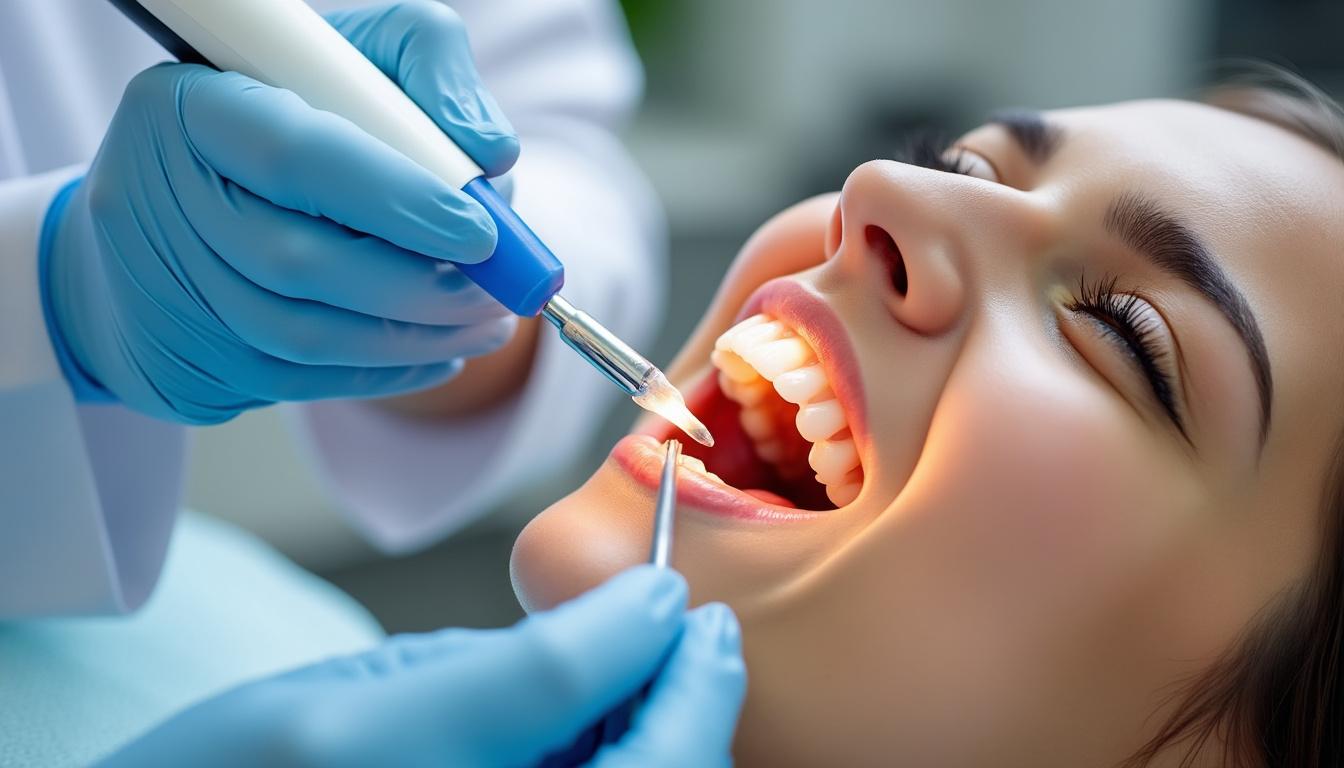
Cosmetic dental bonding is a medical advance that utilizes dental resin, a tooth-colored composite material, to repair visible dental issues effectively. This resin is carefully bonded onto the surface of affected teeth after the enamel is slightly etched with phosphoric acid, which roughens the surface, increasing resin adherence. The process is straightforward: after etching, the composite resin is layered on and sculpted to match the tooth’s natural contours. Once shaped, a special curing light hardens the resin, creating a durable bond that blends seamlessly into your smile.
This treatment is suitable for a variety of dental restoration needs, such as repairing chips from accidental trauma, filling gaps between teeth, and covering unsightly tooth discoloration that does not respond well to traditional whitening methods. Compared to dental veneers, which require removing a significant amount of enamel and lab customization over multiple visits, cosmetic dental bonding is less invasive and can often be performed within an hour during a single dental visit.
For example, bonding can be particularly beneficial for patients needing an immediate fix for chipped front teeth—the area with lower bite pressure—providing a visually pleasing and practical solution. Dentists select the shade of the resin using a detailed shade guide to ensure the restoration matches the surrounding tooth color, maintaining consistency in dental aesthetics. Because dental resin is used in approximately 72% of dental restorations today, its reliability and versatility are well supported by up-to-date clinical research and dental practice Learn more about the bonding procedure.
Although dental bonding is often painless and doesn’t typically require anesthesia, it may be necessary when significant reshaping or cavity filling is involved, especially when the chip is near a nerve root. The procedure’s minimal enamel removal aspect means it conserves much of the tooth’s natural structure, which is crucial to maintaining healthy oral function and decreasing long-term sensitivity risks.
Benefits and Limitations of Dental Bonding in Modern Cosmetic Dentistry
Choosing cosmetic dental bonding offers many advantages that make it an attractive option for enhancing your smile without extensive dental intervention. One primary benefit is its speed and convenience; since dental bonding usually requires only a single appointment, busy patients or those seeking immediate improvements can see results quickly. Another benefit lies in its affordability: cosmetic dental bonding cost often ranges significantly lower compared to porcelain veneers or crowns, making it accessible to a larger audience interested in dental aesthetics.
Beyond cost and convenience, dental bonding requires minimal alteration of the natural tooth. This conservative approach helps maintain the tooth’s integrity while effectively restoring its function and appearance. Patients also appreciate that bonding can address diverse cosmetic issues, from cracked enamel to irregularly shaped teeth and minor gaps.
Nevertheless, dental bonding has limitations. It is less durable than more permanent solutions like crowns and veneers, and the resin may stain over time, especially with the consumption of staining agents such as coffee, tea, or tobacco products. Additionally, the resin material is more susceptible to chipping under excessive bite pressure or trauma, meaning it is not recommended for patients with severe teeth grinding issues unless combined with protective measures like night guards.
The delicate balance between benefits and disadvantages means dental bonding is often viewed as a semi-permanent fix or stepping stone to more extensive treatments when greater durability is required. Patients with active decay or gum disease may be advised to consider alternative approaches. Moreover, the bonding’s lifespan ranges from five to ten years depending heavily on daily oral care and habits. For deeper insight into cosmetic bonding advantages and details, this comprehensive guide offers valuable perspectives.
Proper care plays a pivotal role in extending the life of bonded teeth, making routine dental hygiene and dental professional checkups essential investments in maintaining dental restoration quality. The risk that bonding material might discolor or break underscores the importance of avoiding hard or abrasive foods and limiting exposure to acidic or staining substances.
Preparation and Step-by-Step Process of the Tooth Bonding Treatment
When preparing for cosmetic dental bonding, your dentist will conduct a thorough evaluation, including oral health assessment and shade selection for the resin. A well-chosen color helps the dental resin blend flawlessly with your natural tooth, enhancing the final restoration’s invisibility. Most patients do not need anesthesia for cosmetic bonding unless the procedure involves filling cavities or modifying the tooth close to a sensitive nerve.
After preparation, the tooth surface undergoes etching with phosphoric acid. This critical step increases the surface area and creates microscopic pores for better resin adherence. Once etched and rinsed, a conditioning liquid or primer may be applied to remove the smear layer — a residual film created during etching that can interfere with the bonding process.
The dentist then applies the composite resin in layers, carefully molding it to recreate a natural tooth shape. The resin is hardened layer by layer using a blue LED curing light. This approach strengthens the bond and allows for precise shaping. After curing, the dentist trims any excess resin to match the tooth’s natural dimensions, and the surface is polished to restore gloss and smoothness, ensuring a seamless integration with adjoining teeth.
This process commonly takes between 30 to 60 minutes per tooth, depending on the extent of restoration needed. While veneers require lab fabrication with multiple visits, bonding’s efficiency makes it appealing to patients wanting quick, effective cosmetic dental treatments. Visits to the dentist allow your provider to assess the bond’s condition and perform maintenance or repairs if needed Discover detailed dental bonding procedure content.
How to Care for Bonded Teeth and Maximize Longevity
The durability of cosmetic dental bonding depends not just on the procedure but critically on post-treatment care and lifestyle adjustments. Maintaining excellent oral health practices is essential to protect the bonded surfaces and prevent secondary dental issues such as decay around the bonded site. Brushing at least twice a day with fluoride toothpaste, flossing once daily with care to avoid pulling upward on the floss at the bonded tooth, and using antiseptic mouthwash daily are foundations of protecting dental restorations.
Patients need to take special care to avoid habits that can jeopardize the resin. Biting hard objects like fingernails, ice, or pens can cause bonding material to chip or break prematurely. Additionally, consumption of acidic or highly pigmented foods and drinks—like cola, coffee, red wine, or pineapple—can stain the composite resin, reducing aesthetic appeal over time. For smokers, the risk of discoloration increases substantially, highlighting the importance of smoking cessation to maintain dental aesthetics and overall oral health.
Further care includes routine dental visits for professional cleanings, where a dentist or hygienist can polish the bonded areas and detect early signs of damage or decay. Patients who grind their teeth benefit massively from wearing custom night guards that protect both natural enamel and bonded teeth from fractures and wear.
Here is a summary of recommended care practices after dental bonding:
- Brush at least twice daily with fluoride toothpaste
- Floss gently around the bonded teeth avoiding vertical pulling motions
- Avoid biting hard or sticky items
- Limit intake of acidic and staining foods and beverages
- Quit smoking or reduce tobacco use
- Use mouthwash without alcohol to prevent softening of resin
- Visit your dentist regularly for check-ups and maintenance
- Consider night guards if you grind or clench teeth during sleep
With such conscientious care, the bonded dental restoration may last between 5 to 10 years or longer, making it a valuable investment in your smile’s long-lasting beauty Explore expert tips on oral health care.
Cost Considerations and Alternatives to Cosmetic Dental Bonding
The dental bonding cost varies widely, influenced by factors such as the number of teeth treated, geographic location, and the dentist’s expertise. Typically, individual composite resin bonding ranges from $100 to $400 per tooth, with an average around $190 to $200. Despite its cost-effectiveness, some insurance plans may not cover cosmetic bonding since it is often viewed as elective treatment. Patients should review their dental insurance policies or consider out-of-pocket expenses before proceeding.
When insurance coverage is limited or absent, several alternatives can help bridge the affordability gap. Local dental schools often provide low-cost treatment options performed by supervised students. Community health centers also offer reduced-price services, while nonprofit organizations may support patients requiring medically necessary dental restoration at little or no cost. Medicaid programs provide coverage for dental care under specific eligibility criteria, supporting children and some adults.
Another cost-saving option is dental savings or discount plans, wherein members pay nominal yearly fees for access to discounted dental services. These plans may offer between 10% and 60% off various dental treatments, including bonding and routine care.
For patients who need longer-lasting or more extensive corrections, alternatives like porcelain veneers or crowns can be discussed. While these come with a higher initial cost and greater tooth alteration, they often deliver superior durability and resistance to staining. Your dentist can recommend the best approach for your oral health status and cosmetic goals, balancing treatment cost with expected outcomes Learn about dental restoration costs and options.
| Aspect | Cosmetic Dental Bonding | Porcelain Veneers |
|---|---|---|
| Procedure Duration | One visit (30-60 minutes per tooth) | Multiple visits (usually 2-3 weeks) |
| Enamel Removal | Minimal or none | Up to 30% |
| Lifespan | 5-10 years | 10-15 years or more |
| Cost | $100-$400 per tooth | $925-$2500 per tooth |
| Resistance to Staining | Moderate – resin can stain | High – porcelain is stain resistant |
| Repairability | Easily repaired | Difficult to repair; replacement often needed |
Cosmetic dental bonding remains a frontline option for those seeking effective, affordable, and minimally invasive treatment to enhance smiles. Its combination of convenience, aesthetics, and cost makes it ideal for many situations where small but meaningful dental improvements are desired. As with all dental care decisions, consulting with an experienced professional from reputable clinics such as Cosmodent Dental Clinic ensures you receive personalized guidance tailored to your unique dental health and cosmetic goals.