The skincare world experienced a significant stir in late 2025 as First Aid Beauty announced a voluntary recall of their beloved Ultra Repair Cream in the Coconut Vanilla scent. This moisturizer, a staple in many beauty routines for over a decade, is known for its deeply hydrating and soothing properties. On December 23, 2025, the Food and Drug Administration (FDA) issued a Class II risk advisory concerning 2,756 jars that had been mistakenly distributed despite being earmarked for quarantine. This recall sent consumers and skincare enthusiasts into a flurry of questions about product safety, potential allergic reactions, and the implications for the wider beauty product industry.
While recalls in the beauty sector are rare, they underscore the importance of rigorous product safety standards. This event highlighted the intricate balance brands must strike between maintaining quality and ensuring consumer health, especially in formulations designed for sensitive or eczema-prone skin. The Ultra Repair Cream, cherished for its blend of shea butter, ceramides, and colloidal oatmeal, has long stood as a beacon of effective, dermatologist-friendly skincare. Yet, the inadvertent release of quarantined batches reminds us that vigilance in manufacturing and distribution protocols is paramount. This article delves into the nuances of the recall, its scientific background, consumer implications, and how to navigate the skincare landscape in its aftermath.
Key Points to Remember:
- First Aid Beauty recalled 2,756 jars of the Ultra Repair Cream Coconut Vanilla scent due to distribution errors.
- The FDA classified the risk as Class II, meaning exposure could cause temporary or reversible health effects.
- The recall only affects the Coconut Vanilla variant sold exclusively on FirstAidBeauty.com.
- The moisturizer is celebrated for its skin barrier-supporting ingredients but consumers should be cautious pending further information.
- Alternatives and continued vigilance are advised for those seeking similar moisturizers.
Understanding the First Aid Beauty Face Moisturizer Recall: Context and Implications
The First Aid Beauty Ultra Repair Cream Coconut Vanilla recall serves as a crucial case study in product safety management within the skincare industry. The brand released a statement clarifying that this recall only involves a specific batch mistakenly distributed, emphasizing that no other Ultra Repair Cream variants or products from the brand were impacted. Despite reassurance regarding the quality standards met by the product, the FDA’s involvement with a Class II risk classification indicates a potential for temporary or medically reversible adverse effects upon exposure.
Class II recalls, as designated by the FDA, often concern products that may lead to health consequences that are not life-threatening but could still cause discomfort or unwanted skin reactions like irritation or allergic responses. Given that many consumers use this moisturizer specifically to soothe sensitive or eczema-prone skin, the potential for allergic reaction or skin barrier disruption was a genuine concern.
This event has sharpened the focus on the delicate relationship between product formulation, manufacturing precision, and consumer trust. Companies like First Aid Beauty must navigate these waters carefully to maintain their reputations. For consumers, this situation highlights the importance of monitoring product lot numbers and expiration dates, and paying close attention to official recalls to mitigate risks.
Moreover, this recall is a reminder of the complex pathways involved in bringing skincare products from manufacture to market. Every step, from sourcing raw ingredients to quality control in packaging, plays a part in ensuring a product’s safety. The inadvertent distribution of a quarantined batch suggests gaps in these processes and serves as a learning opportunity for the industry. It compels brands to reinforce safety protocols, especially as products continue to increase in complexity and demand.
For those wishing to better understand the ongoing implications of this recall, and how it compares with other product safety incidents in the beauty industry, detailed reports can be found at Martha Stewart’s breakdown of the recall and at Health.com’s overview of the situation.
What Made the First Aid Beauty Ultra Repair Cream So Popular Before the Recall?
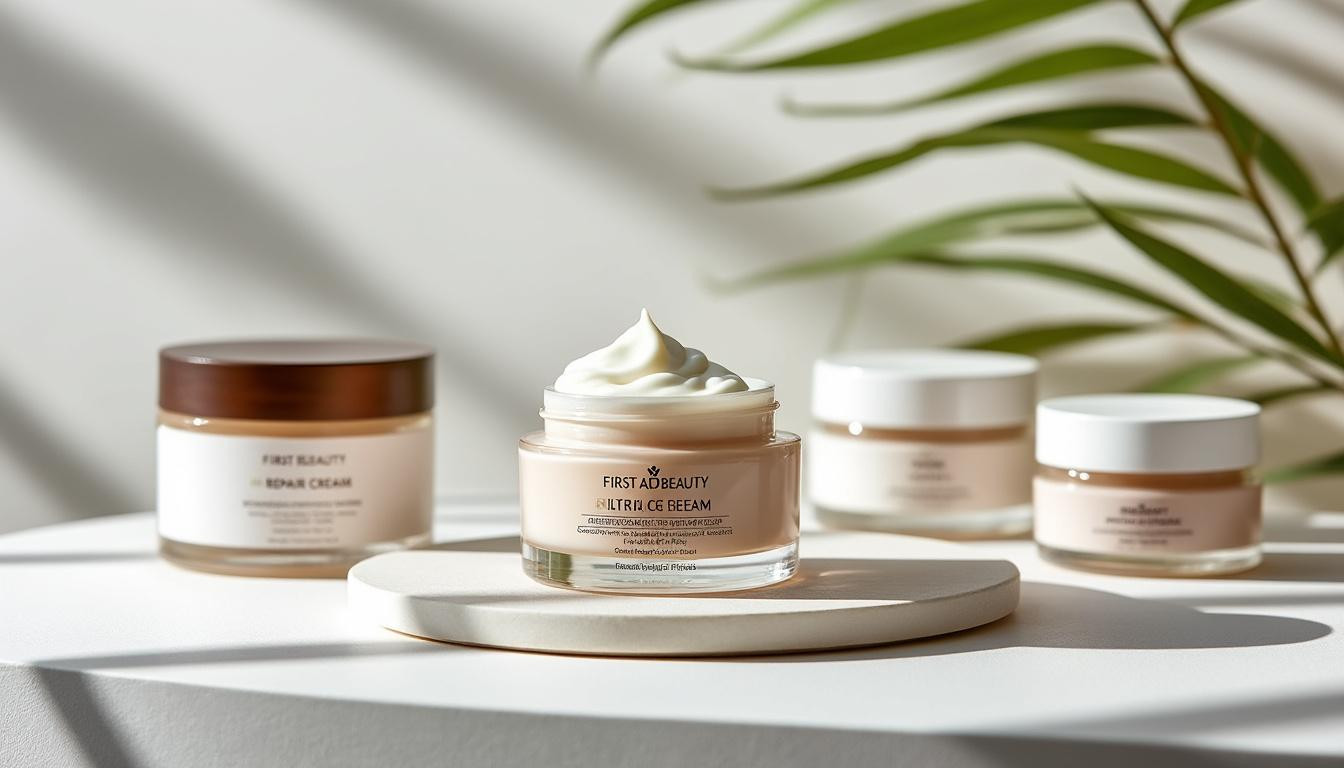
The Ultra Repair Cream has earned cult status due to its efficacy and ingredient profile. Beloved by individuals with dry, sensitive, and eczema-prone skin, its formulation combines a potent mix of moisturizing and barrier-repairing components that cater to multiple skin concerns. Key ingredients like shea butter, ceramides, and colloidal oatmeal not only deeply hydrate but also soothe inflammation and improve skin resilience.
Shea butter delivers rich emollient benefits, helping to lock in moisture and soften the skin’s surface. Ceramides are essential lipids that naturally occur in the skin and help to form the protective layer that prevents moisture loss and shields against environmental aggressors. Colloidal oatmeal adds its renowned anti-inflammatory and calming properties, often recommended by dermatologists for sensitive skin conditions.
This synergy creates a moisturizer that can be used daily to address dry patches, eczema flare-ups, and overall skin discomfort. The product’s texture is often praised for absorbing quickly without leaving a greasy residue—a critical factor for those with oily or combination skin looking for effective hydration without clogged pores.
Sales figures confirm its immense popularity: First Aid Beauty reported that one jar is sold every 10 seconds, making it their bestseller for over ten years. The Coconut Vanilla scent was a sought-after variant, adding a subtle fragrance that appealed to many without being overpowering. However, fragrance inclusion is often a double-edged sword in skincare, especially for sensitive skin, which makes the recall particularly important for consumers with allergies or fragrance sensitivities.
While the scent enhances the sensory experience, it also introduces a potential allergen, which is why fragrance-free options remain preferable for those with highly sensitive or reactive skin. Alternatives that maintain a similar ingredient profile without fragrance can be found by consulting expert-curated lists of moisturizers or visiting dermatology-focused resources like US Dermatology Partners.
The intersection of consumer preference, product efficacy, and ingredient safety is delicate, and this recall brings that balance into sharp relief.
Popular Moisturizer Ingredients to Know
| Ingredient | Primary Benefit | Skin Types Best Suited |
|---|---|---|
| Shea Butter | Deep hydration and skin softening | Dry, Normal, Sensitive |
| Ceramides | Restores skin barrier and retains moisture | All skin types, especially dry and eczema-prone |
| Colloidal Oatmeal | Calming, anti-inflammatory, soothing irritation | Sensitive, Eczema-prone, Inflamed skin |
| Fragrance (Coconut Vanilla variant) | Enhances sensory appeal but may irritate | Not recommended for sensitive or allergic skin |
Health and Safety Alerts: Navigating Allergic Reactions and Consumer Concerns
The FDA’s Class II recall rating for this batch indicates that while the affected moisturizer poses no life-threatening risk, sensitive individuals could face temporary health issues, including allergic reactions or irritation. This is especially critical given that users of the Ultra Repair Cream often seek products to manage compromised skin barriers or skin conditions like eczema.
Allergic reactions to beauty products can range from mild redness and itching to more significant inflammation or rash. While the recalled batch does not signify a widespread contamination or ingredient failure, the inadvertent distribution of quarantined jars means some users might experience unexpected reactions. This has led to heightened consumer alertness and more cautious purchasing behavior concerning face moisturizers and other skincare items.
Brands and healthcare professionals emphasize the importance of recognizing early symptoms of sensitivity: irritation, itching, swelling, or burning sensations after application. Individuals experiencing these symptoms should immediately discontinue use and consult a dermatologist if symptoms persist or worsen.
In context, the recall represents much more than a product withdrawal; it reflects the critical need for transparency, swift communication, and rigorous testing in beauty product manufacturing. It also underlines the role of regulatory bodies like the FDA in protecting consumers, even in categories like cosmetics where stringent pharmaceutical-style standards are evolving but not yet uniform worldwide.
For those concerned about current product safety, updates and guidance can be found at reputable sources such as NBC Chicago’s coverage on the recall and Today.com’s consumer health advice.
Choosing Safe and Effective Moisturizers After a Recall: Alternatives and Recommendations
Following any major product recall, consumers naturally seek trustworthy options that offer the same soothing and repairing benefits without the associated risks. The unique formulation of the Ultra Repair Cream means its alternatives should be chosen with care, focusing on compatibility with sensitive and eczema-prone skin.
Key criteria for selecting a replacement moisturizer include:
- Fragrance-free formulations to minimize allergen potential.
- Rich in ceramides and emollients like shea butter or squalane.
- Dermatologist-tested and hypoallergenic labels for increased safety assurance.
- Non-comedogenic properties if prone to acne or combination skin concerns.
- Transparent ingredient lists to avoid irritants or known allergens.
Several brands have ramped up their offerings in this space, focusing on clean skincare and botanical-based ingredients that promote skin barrier restoration. For example, products formulated especially for sensitive skin with colloidal oatmeal or oat extracts provide natural anti-inflammatory effects akin to the Ultra Repair Cream.
It’s advisable to consult dermatology resources or expert reviews when selecting a replacement. Websites like Women.com’s guide on alternatives to the First Aid Beauty moisturizer offer curated insights. Furthermore, consumers should always perform patch tests on new products to monitor individual tolerance before fully integrating them into their routine.
How the Beauty Industry Can Improve Product Safety and Consumer Trust After Recalls
The recall of such a widely loved product ignites broader discussions about ensuring safety and maintaining consumer trust in the fast-evolving beauty sector. As consumers grow increasingly informed and selective by 2026, transparency and accountability from brands have never been more critical.
Manufacturers must invest in robust quality control measures, incorporating advanced testing technologies that can detect contamination or errors before shipment. Additionally, developing clearer communication channels ensures that consumers receive timely updates on product status and recalls.
In this new era, sustainable formulation practices that avoid unnecessary allergens and irritants will become the norm—not the exception. Combining science-backed ingredients with ethical sourcing and eco-friendly packaging can reinforce a brand’s commitment not just to skin health but to the planet and society.
First Aid Beauty’s swift response by contacting customers and offering replacements demonstrates a model approach to handling recalls with care. Yet, the recall serves as a reminder to all in the beauty industry to continuously evaluate their processes from ingredient sourcing to final distribution.
The following table summarizes key lessons from this recall that brands and consumers alike can adopt moving forward:
| Lesson | Implementation for Brand Safety | Action for Consumers |
|---|---|---|
| Quality Assurance | Enhanced batch testing and quarantine protocols | Check lot numbers and purchase from authorized retailers |
| Clear Communication | Timely product recall announcements and follow-ups | Stay informed through reliable news sources and official statements |
| Ingredient Transparency | Full disclosure of formulation details and potential allergens | Read labels carefully and opt for hypoallergenic products |
| Consumer Trust | Customer support and replacement programs during recalls | Report adverse reactions and maintain skincare routines cautiously |
For those interested in the broader regulatory landscape and evolving FDA oversight, resources like Newsweek’s analysis provide comprehensive context.