Rosacea remains a challenging condition for millions worldwide, manifesting as persistent facial redness, bumps, and sensitivity that can disrupt daily life and confidence. Understanding how to approach this common inflammatory skin disorder with gentle skincare routines is crucial in 2026. The emphasis has shifted towards nurturing sensitive skin with anti-redness measures and inflammation relief strategies that integrate science-backed soothing ingredients. In a world where harsh detergents and aggressive products once dominated, rosacea-friendly care now champions a calibrated balance of skin hydration, protection, and minimal irritation.
While the triggers of rosacea can be variable—from environment to lifestyle choices—tailoring a daily skincare routine to mitigate flare-ups has never been more accessible. Dermatologists are unanimous on the necessity of avoiding harsh chemicals and ensuring long-term skin barrier repair. By incorporating calming creams and mineral sunscreens designed specifically for this delicate condition, those living with rosacea can aspire to comfortable, radiant skin without sacrificing health or vitality. Let’s delve into how such thoughtfully crafted regimens help bring rosacea management into a holistic, effective framework.
In brief:
- Rosacea triggers include sun exposure, stress, heat, spicy foods, and certain skincare ingredients.
- Gentle skincare emphasizes fragrance-free, non-irritating products with soothing ingredients like niacinamide and ceramides.
- Skin hydration and barrier repair are fundamental for inflammation relief and reducing sensitivity.
- A proper daily skincare routine involves gentle cleansing, consistent moisturizing, and mineral-based sun protection.
- Personalized rosacea management relies on identifying individual triggers and adjusting skincare and lifestyle accordingly.
Understanding Rosacea: Causes, Symptoms, and Common Triggers for Effective Management
Rosacea is more than just facial redness; it’s a chronic inflammatory skin disorder presenting with symptoms such as persistent flushing, visible blood vessels, small red bumps, and sometimes burning or stinging sensations. Distinguishing rosacea from other skin concerns like acne is vital, as the condition operates with its own set of challenges and triggers. According to the Mayo Clinic and leading dermatologists, rosacea symptoms can ebb and flow unpredictably, requiring nuanced care tailored to individual experiences.
While the exact causes of rosacea remain elusive, experts recognize inflammation as a key actor in its development. Sensitive skin, genetic predisposition, microbial presence (such as Demodex mites), and environmental factors like sun exposure and temperature extremes often collaborate to worsen the condition. In 2026, dermatological insights emphasize that managing rosacea effectively involves attentive trigger control alongside thoughtful skincare choices.
The table below summarizes common factors with their possible influence on rosacea flare-ups:
| Factor | Possible Influence |
|---|---|
| Family History | Genetic predisposition increases risk |
| Environmental Shifts | Sunlight, heat, and cold can aggravate skin |
| Microbial Presence | Demodex mites and bacteria may trigger inflammation |
| Lifestyle Triggers | Stress, spicy foods, alcohol, and certain medications |
Knowing these influences helps structure a vigilant approach to rosacea management, integrating both lifestyle and skincare considerations. For an in-depth guide on adjusting your regimen according to personal triggers, visiting resources like AAD’s recommendations on rosacea triggers offers valuable practical advice.
Crafting a Gentle Skincare Routine: Key Principles for Sensitive Rosacea-Prone Skin
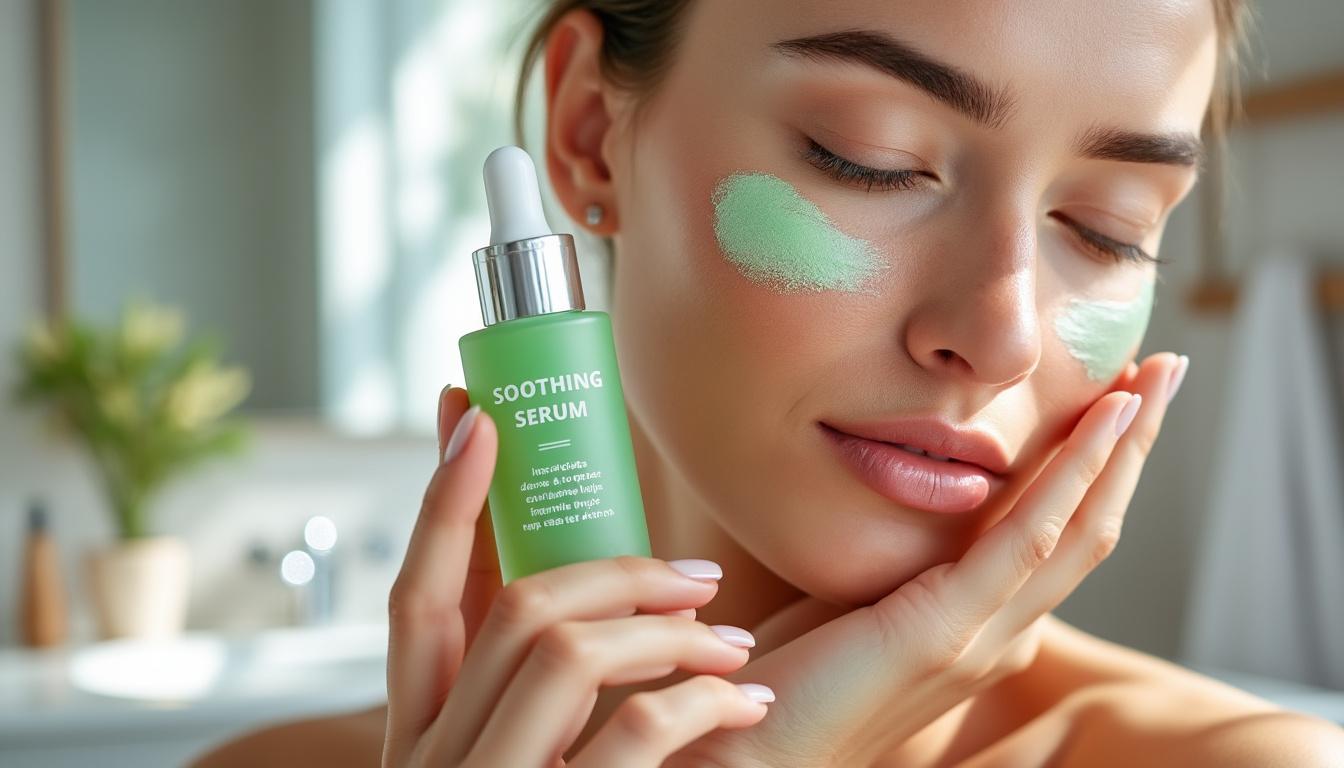
Skincare for rosacea demands a gentle touch that respects skin’s delicate nature without compromising cleanliness or hydration. A well-designed routine involves cleansing, moisturizing, and protecting the skin daily with products selected for anti-redness and inflammation relief benefits.
Gentle Cleansing: The Foundation of a Calm Skin Barrier
Choosing the right cleanser is a cornerstone in rosacea management. Experts recommend fragrance-free, non-foaming cleansers with soothing ingredients such as niacinamide and ceramides. These compounds help maintain the skin’s natural barrier and reduce irritation risks. Cleansing twice daily with lukewarm water avoids shocking sensitive skin, while gentle application — no scrubbing or abrasive cloths — protects from added trauma.
Beauty professionals often highlight cleansers like Cetaphil and Cerave as leaders in gentle skincare formulated for sensitive conditions. For those eager to explore personalized product options, trusted skincare reviews such as Best Skincare for Rosacea in 2026 provide excellent guidance tailored to rosacea sufferers.
Moisturizing for Skin Hydration and Barrier Repair
Skin hydration plays a vital role in soothing rosacea-prone skin and preventing flare-ups. Dermatologists suggest using moisturizers rich in ceramides and hyaluronic acid to support barrier restoration and moisture retention. Hydration helps minimize the discomfort from dryness and protects nerves from environmental irritants.
When applying moisturizer, it’s best to do so immediately after cleansing while skin is still slightly damp to maximize absorption. Avoid products with alcohol, fragrances, or harsh preservatives, which could exacerbate inflammation. Lightweight but effective products formulated for sensitive skin make this step both comforting and crucial.
Sun Protection: Shielding Skin from a Common Rosacea Trigger
Sunlight is notorious for causing rosacea flare-ups. Wearing broad-spectrum, mineral-based sunscreens with SPF 30 or higher every day is vital. Formulas containing zinc oxide or titanium dioxide stand out for their calming and protective properties suitable for sensitive skin. Applying sunscreen about 15 minutes before going outside and reapplying every two hours, especially during outdoor activities, ensures continuous protection.
These simple yet essential steps form the heart of a respectful, effective daily skincare routine designed to quell redness and inflammation. For a more comprehensive routine, you might explore expert suggestions at DermOne Demand’s dermatologist recommended skincare routine.
Navigating Product Choices: Ingredients That Calm Rosacea and Those to Avoid
Understanding which ingredients soothe versus irritate is a game changer for managing rosacea effectively with cosmetics and skincare products. The goal is to protect the compromised skin barrier while delivering hydration and calming effects.
Irritation-Free Ingredients That Provide Soothing Benefits
Ingredients such as niacinamide, aloe vera, and chamomile extract have proven anti-redness and anti-inflammatory effects. Ceramides and hyaluronic acid also enhance skin hydration and barrier repair, further diminishing rosacea symptoms. Recent 2026 research highlights niacinamide’s role in soothing irritated skin and improving skin texture, making it a preferred active component in many rosacea-friendly formulations.
Given the vulnerable nature of rosacea-affected skin, it’s essential to avoid harsh additives like alcohol, witch hazel, menthol, eucalyptus oil, and fragrances, all of which can exacerbate irritation and redness.
Ingredients and Products to Avoid for Rosacea-Prone Skin
| Ingredient | Reason to Avoid |
|---|---|
| Alcohol | Astringent and drying; can worsen inflammation |
| Witch Hazel | Astringent with potential irritant effect |
| Menthol | Cooling sensation followed by irritation |
| Eucalyptus Oil | Essential oil that may trigger inflammation |
| Fragrances | May contain allergens and irritants |
Consumers should read labels carefully and undertake patch testing with new products. Resources like Women’s Health expert skincare advice for rosacea offer up-to-date product recommendations avoiding these irritants.
Applying Makeup with Rosacea: Tips for Enhancing Your Look Without Upsetting Sensitive Skin
Makeup can be a valuable tool for people with rosacea, helping mask redness while promoting self-confidence. However, selection and application need to prioritize rosacea triggers and ingredient safety to avoid worsening irritation.
Choosing Rosacea-Friendly Makeup Products
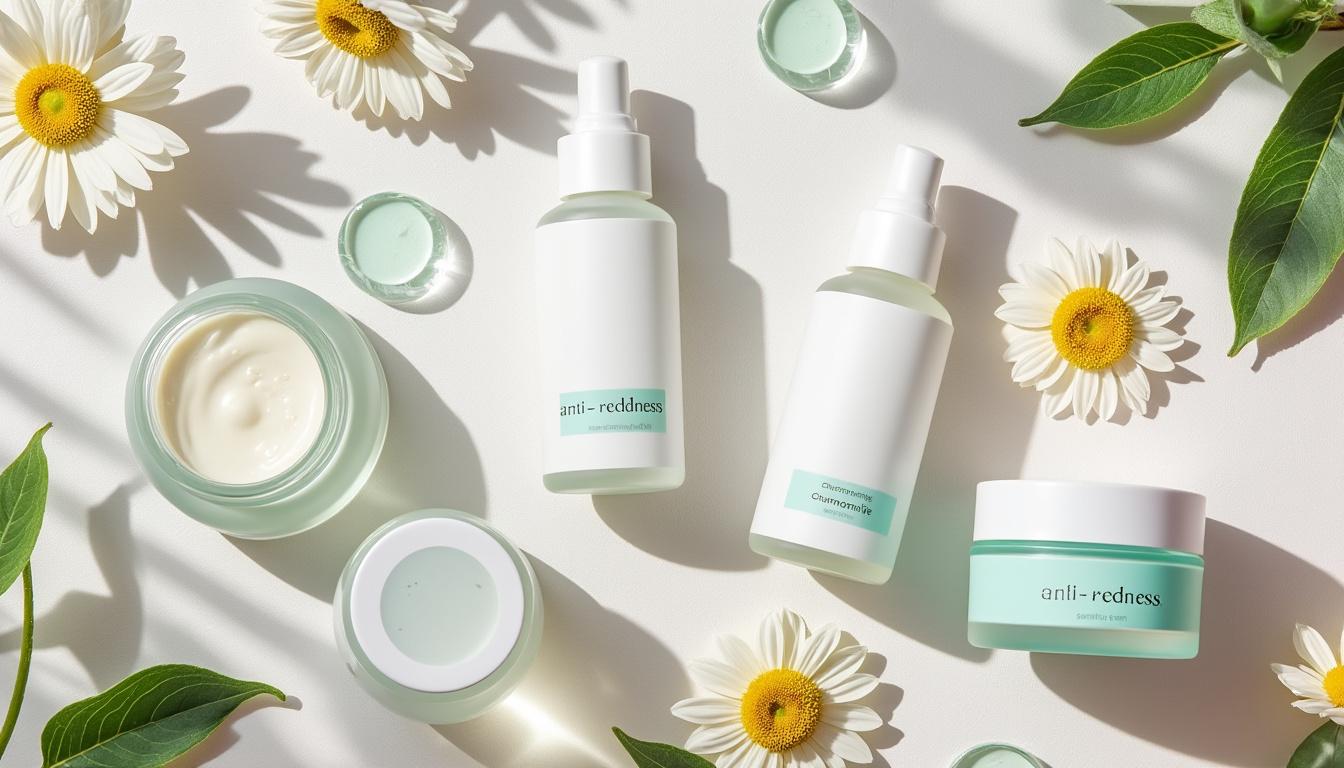
Experts recommend opting for water-based or powder formulas that are oil-free and non-comedogenic to prevent clogged pores or skin aggravation. Green-tinted primers are especially helpful as they neutralize red undertones, creating a smoother complexion. Avoid cosmetics containing alcohol, witch hazel, eucalyptus, peppermint oil, and fragrances, as these have been known to cause flare-ups.
Here’s a quick product ingredient guideline for makeup selection:
| Product Type | Preferred Features | Ingredients to Avoid |
|---|---|---|
| Foundation | Water-based, oil-free, non-comedogenic | Alcohol, witch hazel, peppermint oil, eucalyptus, fragrances |
| Primer | Green-tinted, calming | Alcohol, fragrances |
| Concealer | Lightweight and buildable | Alcohol, thick oils |
| Powder | Mineral-based | Talc, fragrances |
Makeup Application Tips to Minimize Flare-Ups
Handling your skincare and makeup application with care can prevent unnecessary irritation. Key techniques include using soft sponges or brushes, applying makeup with gentle dabbing motions rather than rubbing, and building product layers subtly for natural coverage. Avoid powders that may be abrasive and prefer setting sprays to secure makeup while preventing heat-induced redness.
Personalizing Your Rosacea Routine: Tracking Progress and Adapting to Your Skin’s Needs
Rosacea management is deeply personal, demanding attentive observation and customization. Maintaining a diary to track food, skincare products, weather, and emotional stress can help identify individual rosacea triggers. By pinpointing these factors, you can adjust your routine and lifestyle with greater precision.
The table below illustrates an example of how to document possible offenders and reactions effectively:
| Date | Possible Offender | Reaction Noted |
|---|---|---|
| 04/02/2026 | Spicy food | Increased redness and bumps |
| 07/02/2026 | New cleanser | Burning sensation and flare-up |
| 10/02/2026 | Sun exposure without protection | Flushed and itchy skin |
Similarly, a symptom tracker rating redness, irritation, and texture daily or weekly can provide valuable insights to share with your dermatologist. This dynamic approach makes it easier to adjust treatment plans and skincare products, putting you in control of your rosacea management.
Lastly, always remember that consulting a board-certified dermatologist ensures your routine matches your skin’s specific needs. For additional strategies tailored to sensitive skin, including anti-redness and hydration tips, check out comprehensive skincare guides like those found at SkinHow’s rosacea skincare routine.