
Choosing the right manufacturing partner is crucial in the skincare industry, where product safety, ingredient integrity, and consumer trust are paramount. As more brands emerge in the market, the challenge lies not only in formulating effective skincare products but also in ensuring that these products meet stringent quality standards consistently. Collaborating with a reliable manufacturer can make the difference between a successful launch and costly recalls or reputational damage.
In today’s environment, consumers are increasingly aware and demanding transparency regarding product ingredients and ethical manufacturing practices. This shift means brands must be diligent in vetting their manufacturing partners beyond just cost considerations—delivering on ingredient transparency, regulatory compliance, and uncompromising product safety is now expected. This dynamic landscape has made choosing a reliable manufacturer a strategic step that directly influences brand loyalty and market longevity.
Additionally, technological advancements have transformed production processes, offering greater automation and precision that impact quality control. Skincare brands benefit immensely from manufacturers who invest in the latest technology to maintain consistent formulations and efficient production cycles. Integrating expertise from chemistry to packaging, a trustworthy manufacturer handles the entire manufacturing process with proficiency and adherence to best practices.
The relationship between a skincare brand and its manufacturer goes far beyond a mere business transaction. It encompasses shared values around consumer well-being and a commitment to innovation while balancing cost efficiency and scalability. As regulations evolve globally, manufacturers who stay ahead in certifications and safety protocols provide brands with a competitive edge and peace of mind.
Understanding the intricacies of selecting the right manufacturer requires careful consideration of multiple factors. From assessing the manufacturer’s reputation and product quality standards to ensuring robust quality control systems and compliance with global regulations, each element plays a critical role. This article dives deep to guide skincare entrepreneurs and professionals in making informed decisions about choosing a manufacturing partner who will uphold their brand’s promise and deliver trustworthy, high-quality skincare products.
In brief:
- Reliable manufacturers ensure consistent product quality and safety through rigorous quality control and regulatory compliance.
- Transparency in ingredients and production processes strengthens consumer trust and brand reputation.
- Certifications and adherence to safety standards are key markers of a manufacturer’s credibility.
- Evaluating supplier reputation and operational capabilities is crucial for long-term partnership success.
- Balancing cost efficiency with high manufacturing standards ensures sustainability and profitability.
- Technological investment and innovation in manufacturing processes help maintain product integrity at scale.
Key Criteria for Identifying a Reliable Manufacturer for Skincare Products
When looking for a reliable manufacturer to create skincare products, one of the foremost criteria to evaluate is their commitment to quality control. This involves thorough validation at every production stage—from sourcing raw materials to final packaging—to ensure product consistency and safety. In the skincare industry, even minor deviations can affect efficacy or cause adverse reactions, making comprehensive quality assurance indispensable.
Manufacturers with advanced laboratory testing capabilities often perform analyses, including microbial testing, stability testing, and ingredient purity assessments before products receive approval. For example, a manufacturer producing serums with active ingredients such as vitamin C or retinol must guarantee that these compounds remain potent through the product’s shelf life. A robust quality control system encompasses routine audits and standardized protocols that eliminate contamination risks and ensure batch-to-batch consistency.
Another essential factor is regulatory compliance, which mandates adherence to local and international skincare product regulations. Regulations vary widely, with countries enforcing standards around permissible ingredients, labeling, safety data, and manufacturing practices. A reliable manufacturer remains updated on these laws and acquires necessary licenses and approvals, reducing risks of product recalls or legal difficulties post-launch.
Certifications also serve as a critical signal of a manufacturer’s dedication to surpass basic requirements. Certifications such as ISO 22716 for Good Manufacturing Practices (GMP) in cosmetics, cruelty-free attestations, or organic certifications demonstrate compliance with recognized quality benchmarks. For instance, GMP-certified manufacturers follow stringent frameworks governing hygiene, personnel training, and process documentation, which collectively boost product safety and customer confidence.
Ingredient transparency is gaining momentum, with consumers demanding clear, accurate disclosures about what goes into their skincare. Partnering with a manufacturer that prioritizes transparency—a practice involving detailed ingredient sourcing information and openness about potential allergens—aligns with consumer expectations and corporate responsibility. Transparent practices often extend to traceability, where brands can track raw materials from origin to finished product, ensuring ethical and sustainable sourcing.
Additionally, the manufacturer’s reputation forms a cornerstone of a dependable partnership. Customer reviews, industry recognition, and case studies of successful product launches provide valuable insight into their reliability. For example, a manufacturer known for collaborating with established skincare brands and consistently maintaining high product efficacy and safety standards is typically a safer choice. Brands should also examine the manufacturer’s responsiveness and communication, which are key to resolving challenges swiftly during production.
Cost efficiency is undeniably important but should never come at the expense of quality. While competitive pricing is attractive, hidden costs stemming from quality failures or regulatory issues can far outweigh initial savings. A trustworthy manufacturer balances economical production with uncompromising standards, often offering scalable solutions that adapt to growing demand without sacrificing quality control.
In essence, a reliable manufacturer embodies a deep understanding of skincare product development, a steadfast dedication to product safety, and a culture of transparency and quality—keys to creating skincare products that delight consumers and stand out in a crowded market.

Understanding the Manufacturing Process and Its Role in Skincare Quality
The manufacturing process for skincare products is intricate, combining scientific precision with stringent hygiene protocols. This process encompasses formulation, ingredient blending, filling, packaging, and labeling, each stage impacting the final product’s performance and safety. Understanding these steps helps brands evaluate the competence of potential manufacturing partners.
The journey begins in the formulation lab, where skincare chemists develop and optimize product formulas. Reliable manufacturers invest in research and development departments that collaborate closely with brands to tailor formulations compatible with mass production without loss of efficacy. This eliminates surprises during scale-up production that could compromise ingredient stability.
Ingredient handling during production entails careful temperature control, precise mixing times, and contamination prevention. For instance, products containing active botanicals require gentle processes to preserve bioactivity, whereas emulsions demand exact emulsification techniques for texture and stability. Proper manufacturing environments adhere to cleanroom standards, controlling airborne particles and humidity levels to protect product integrity.
Filling and packaging stages are equally critical. Automated filling lines calibrated for accuracy prevent product wastage and contamination. Packaging must shield products from light and air exposure, particularly for sensitive ingredients vulnerable to oxidation, such as niacinamide or hyaluronic acid. Manufacturers well-versed in packaging innovations can recommend optimal solutions that enhance product shelf life and consumer experience.
Moreover, finished products undergo rigorous batch testing to confirm compliance with quality criteria before distribution. Stability assessments simulate environmental conditions over time to predict product lifespan, which is vital information for labeling and consumer safety. This stringent final check distinguishes reliable manufacturers who prioritize end-user quality and trust.
Technological advancements, such as automation, artificial intelligence for process monitoring, and real-time data analytics, are revolutionizing manufacturing efficiency and precision. Such innovations help systems detect anomalies early, maintain consistent product quality, and reduce downtime, offering brands both cost efficiency and superior output.
Companies aiming to excel in skincare manufacturing understand that excellence in every step, from formulation to packaging, creates products that meet consumer expectations. Confirming these capabilities through audits, site visits, and sample product reviews remains an essential part of identifying the right manufacturing partner.
The Importance of Regulatory Compliance and Certifications for Skincare Product Manufacturers
Complying with regulatory standards is paramount in the skincare industry to ensure product safety and protect consumer health. The global skincare market is governed by multifaceted regulations that dictate permissible ingredients, labeling accuracy, marketing claims, and manufacturing practices. These frameworks exist to prevent harmful products from reaching the market and to foster consumer confidence.
For example, the European Union enforces the EU Cosmetics Regulation (EC) No 1223/2009, which requires comprehensive safety evaluations and ingredient restrictions. Similarly, the U.S. Food and Drug Administration (FDA) oversees cosmetics under the Federal Food, Drug, and Cosmetic Act, focusing on ingredient safety and truthful advertising. Both regions expect manufacturers to implement Good Manufacturing Practices (GMP) consistent with these regulations.
Manufacturers that maintain certifications such as ISO 22716 demonstrate adherence to internationally recognized standards for cosmetic production. These certifications validate that the manufacturer has robust protocols for process control, personnel hygiene, equipment maintenance, and complaint handling. Brands partnering with GMP-certified manufacturers minimize risks associated with substandard products and regulatory violations.
Certifications related to sustainability and ethical practices are increasingly relevant. Organic certifications or cruelty-free badges provide marketing advantages and reassure eco-conscious consumers. Manufacturers equipped to meet such standards often undergo third-party audits and continuous monitoring to retain certification status, reflecting a long-term dedication to responsible production.
Regulatory compliance extends beyond production to packaging and claims. Labels must accurately represent ingredient lists and usage instructions while avoiding unsubstantiated therapeutic claims that could reclassify a product as a drug. A reliable manufacturer comprehends these nuances and aids brands in navigating complex compliance requirements.
Failure to comply with regulations can lead to severe consequences, including product recalls, legal penalties, and irreparable brand damage. The recent recall of a popular face moisturizer due to contamination issues underscores how lapses in regulatory adherence impact consumer trust and company viability (source).
Ultimately, regulatory compliance and certifications are pillars that uphold the skincare product’s safety and quality. Brands must prioritize manufacturers who not only meet these standards but actively monitor changing laws to remain ahead in safety and innovation.
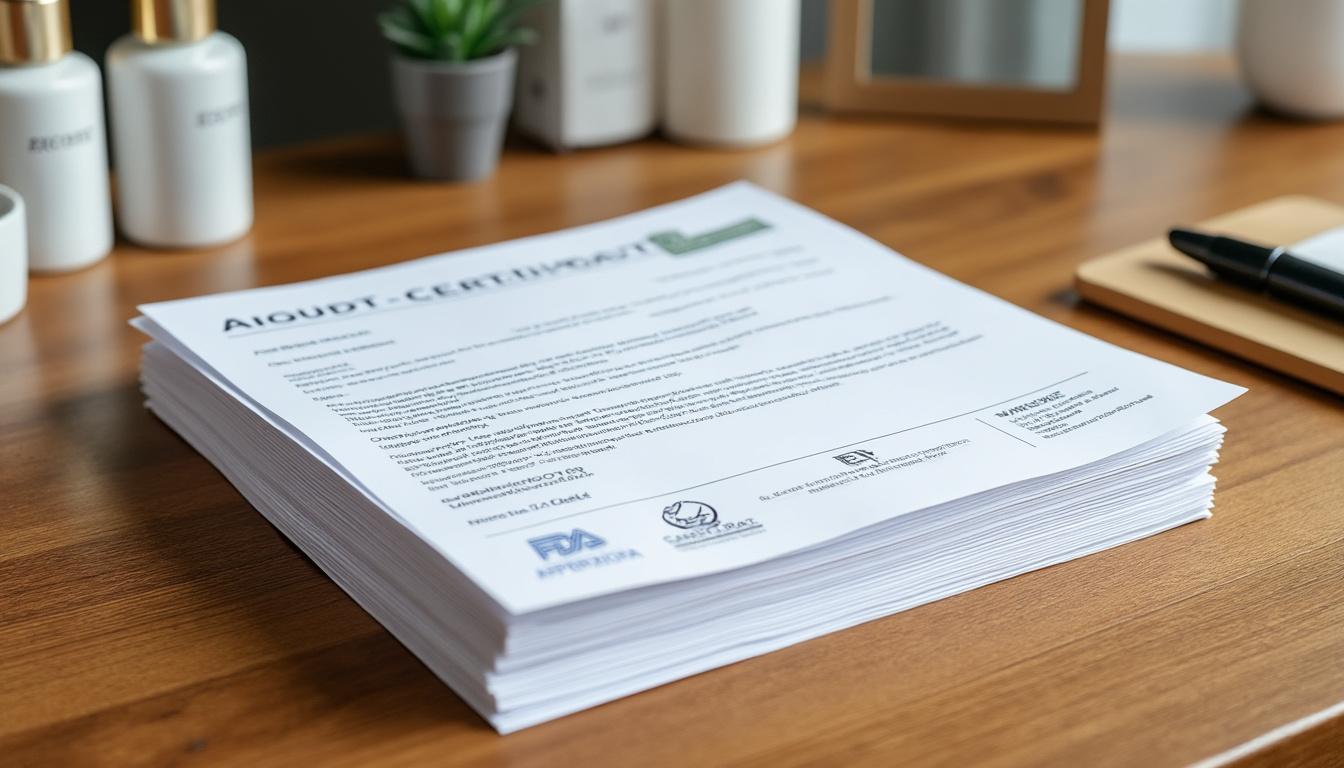
Evaluating Supplier Reputation and the Impact on Skincare Product Success
A manufacturer’s reputation within the skincare ecosystem often reflects its reliability, consistency, and dedication to excellence. Assessing supplier reputation requires a multi-faceted approach, including feedback from existing clients, industry accreditations, and transparency about manufacturing capabilities and challenges.
For instance, brands sourcing from a well-established manufacturer with a track record of facilitating successful launches often experience smoother product development cycles. Such manufacturers are more likely to provide expert consultation on ingredients and process optimization due to accumulated industry knowledge. Conversely, manufacturers with histories of recalls, poor customer service, or quality control failures present substantial risks.
Customer testimonials and case studies are invaluable for a comprehensive reputation review. Requesting references and learning about past projects reveal how a manufacturer responds to issues like formulation changes or supply chain disruptions. This insight helps brands forecast potential challenges and ensures alignment in communication styles and expectations.
The reputation also ties closely to operational transparency. Manufacturers open about their processes, ingredient sourcing, and problem-solving approaches tend to inspire greater trust. Transparency complements ingredient integrity and supports consumer marketing claims, especially in a market attentive to ingredient transparency and safety.
Moreover, a manufacturer’s network of suppliers influences quality and delivery dependability. Strategic sourcing relationships ensure raw materials meet quality standards and are delivered on schedule, which is critical for maintaining consistent production timelines and managing inventory. Reliable manufacturers invest in supply chain resilience to mitigate risks arising from geopolitical or environmental disruptions.
Here is a list of effective ways brands can evaluate a manufacturer’s reputation:
- Conduct due diligence by researching online reviews and industry reports
- Request detailed client references and testimonials
- Visit manufacturing facilities to observe operations firsthand
- Assess certifications and industry awards
- Engage in trial production runs to test responsiveness and quality
Evaluating reputation might seem time-consuming but yields long-term benefits. A trustworthy partner will help brands navigate complex market demands while supporting sustainable growth and consumer satisfaction.
Balancing Cost Efficiency with Product Safety and Quality Assurance
In today’s competitive skincare market, cost efficiency is often considered a key factor, but it cannot overshadow the imperatives of product safety and quality. Cutting corners on production to save expenses can lead to subpar products that damage a brand’s reputation and undermine consumer trust. Therefore, manufacturers must strike a delicate balance between affordability and uncompromised standards.
Effective manufacturers optimize their processes through technological innovations and streamlined operations while adhering to the highest quality benchmarks. For example, employing automated filling lines and real-time monitoring reduces waste and ensures precise ingredient measurements, lowering production costs without sacrificing quality. These efficiencies translate into competitive pricing for skincare brands without risking product integrity.
Furthermore, investment in comprehensive staff training promotes consistent adherence to hygiene and safety protocols, minimizing costly errors and product contamination. This human factor is essential, as employee expertise contributes to maintaining rigorous quality control throughout the manufacturing cycle.
Skincare brands must also consider indirect costs such as regulatory compliance expenses, certification fees, and potential losses from product recalls or delayed shipments due to manufacturing failures. Selecting a manufacturer that proactively invests in quality and compliance can mitigate these hidden risks, protecting both finances and reputation.
The following table compares typical considerations related to cost efficiency and product safety in skincare manufacturing:
| Aspect | Cost Efficiency Focus | Product Safety and Quality Emphasis |
|---|---|---|
| Production Technology | Automated systems to reduce labor costs | Validated equipment for contamination control |
| Ingredient Sourcing | Low-cost suppliers | Certified high-quality ingredient suppliers |
| Quality Control | Minimal sampling and testing | Comprehensive batch testing and audits |
| Staff Training | Basic operational training | Ongoing training on GMP and safety standards |
| Regulatory Compliance | Compliance only to minimum standards | Continuous monitoring and updates to regulatory changes |
By choosing a manufacturer that balances these elements, skincare brands safeguard product reliability while meeting budget considerations. It’s a partnership rooted in mutual respect for science, safety, and business sustainability.