
Your cologne has expired if you notice a sour or metallic smell, weakened fragrance intensity, or visual changes like darkening or cloudiness in the liquid. Watch for skin irritation after application, which often signals degradation. Check for floating particles or thickness that indicates ingredient separation. Most colognes last about 5 years when stored properly in cool, dark places away from sunlight. The following signs will help you determine exactly when it’s time for a replacement.
Key Takeaways
- Check for noticeable changes in scent character, such as sour or metallic notes, or weakening of fragrance.
- Look for visual indicators like darkening, discoloration, or cloudiness in the liquid.
- Monitor for skin irritation, redness, or itching after application.
- Examine consistency for thickening, separation, or floating particles in the cologne.
- Verify batch codes or PAO symbols indicating months of use after opening.
The Telltale Signs of Scent Degradation
How can you tell if your favorite cologne has passed its prime? Your nose provides the first clue—any noticeable shift in the scent’s character, such as weakening or developing sour, metallic, or vinegar-like notes, is a clear sign that your perfume has deteriorated.
Visual changes matter too. Discoloration of the liquid, particularly darkening or an unusual tint appearing in a normally clear formula, indicates chemical composition breakdown in your expired perfume.
Pay attention to your skin’s reaction. Sudden irritation, redness, or itchiness after application suggests the cologne has degraded.
Additionally, inspect the liquid’s consistency—floating particles or thickening often means ingredients have separated.
Examining Color Changes in Your Cologne

Your cologne’s appearance offers vital clues about its freshness, with color shifts indicating potential expiration.
You’ll want to check regularly for any darkening, yellowing, or cloudiness in the liquid, as these changes signal that chemical reactions have occurred within the fragrance.
When your once-clear cologne develops a tint or contains visible particles, it’s time to consider replacing it, as these visual indicators confirm the oxidation process has compromised its quality.
Visual Indicators Matter
Color changes in cologne bottles offer vital clues about a fragrance’s condition and usability. When examining your favorite scent, pay careful attention to any discoloration that might signal expired product. A cologne that’s once clear but now shows yellowing or darkening indicates chemical changes have occurred inside the bottle.
During your visual inspection, look specifically for a cloudy appearance, which often accompanies fragrance degradation. This cloudiness isn’t just aesthetic—it represents a breakdown of the cologne’s ingredients.
While the expiration date provides guidance, these visual signs can tell you when a cologne has deteriorated before that date. If you notice your cologne developing any tint or opacity, it’s best to replace it rather than risk using a product that’s no longer at its peak quality.
Detecting Oxidation Stages
When oxygen interacts with your cologne over time, a chemical process called oxidation begins that gradually transforms both its scent and appearance.
You’ll want to regularly inspect your fragrance for visual signs of expiration, particularly color changes that indicate chemical deterioration.
Watch for these specific oxidation stages:
- Darkening or yellowing of the liquid
- Clear colognes developing any tint (they should remain transparent)
- The solution becoming cloudy or opaque
- Overall darker shades than when first purchased
These changes suggest your cologne has exceeded its optimal shelf life, typically around 5 years for alcohol-based fragrances.
When the Fragrance Notes Shift or Disappear
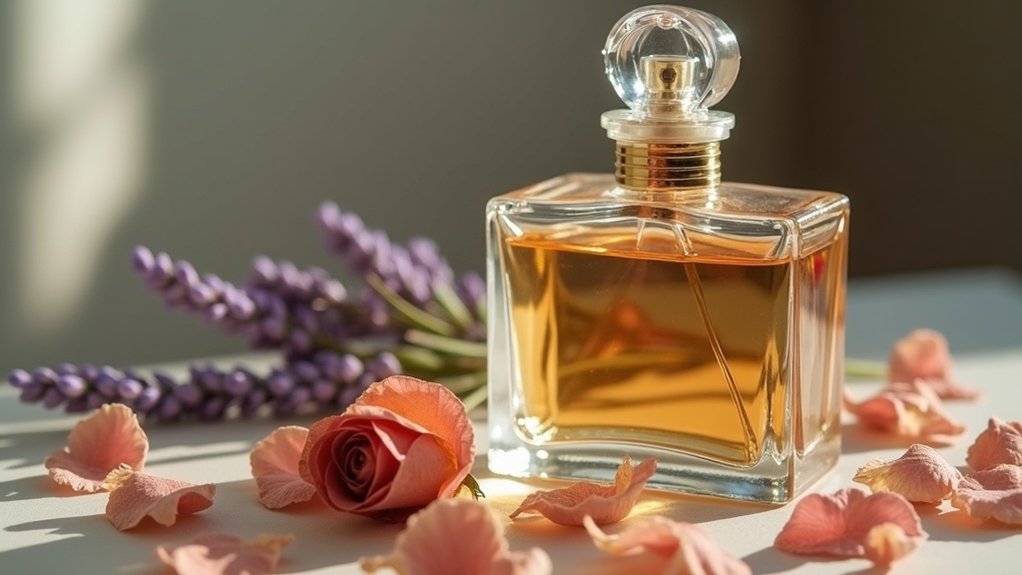
Fragrance notes that suddenly shift or fade away represent one of the clearest indicators that your cologne has reached its expiration point.
When your once-vibrant scent develops sour or metallic undertones, it’s telling you the chemical composition has degraded. Pay special attention to the disappearance of top notes, particularly citrus elements, which are often the first to diminish when a cologne has gone bad.
If you find yourself applying your fragrance more frequently because it doesn’t last as long, this suggests the scent profile is breaking down.
Try this simple test: spray your cologne on a piece of paper or cloth rather than directly on skin. This method helps you detect off-notes that signal expiration without risking skin irritation.
Skin Irritation as a Warning Signal
Your skin’s reaction can serve as a crucial indicator that your cologne has expired and shouldn’t be used anymore.
When applying an older fragrance, watch for redness, rashes, itching, or burning sensations, which signal that the breakdown of ingredients might be triggering irritation.
You’ll want to conduct a small patch test on your inner wrist or elbow before full application of any questionable cologne, waiting 24 hours to ensure no adverse reactions develop.
Redness and Rash
As a telltale sign that your cologne may have passed its prime, skin irritation often manifests through redness, itchiness, or uncomfortable rashes at the application site.
These reactions occur because expired cologne contains degraded ingredients that your skin no longer recognizes as friendly visitors.
Your unique body chemistry plays a significant role in how you’ll respond to an outdated fragrance.
While your friend might experience no issues with the same expired cologne, you could develop a noticeable allergic reaction within minutes of application.
Before applying any questionable fragrance to your neck or wrists, conduct a simple patch test on a small area of skin.
If redness appears or you feel intense itchiness, it’s time to part ways with that bottle, prioritizing your skin’s health over sentimentality.
Itching or Burning
When intense itching or burning sensations follow cologne application, your body is sending clear distress signals that shouldn’t be ignored.
These uncomfortable skin irritation symptoms often indicate that your fragrance has expired, as aging perfumes break down chemically over time.
Your unique body chemistry plays a significant role in how you’ll react to an outdated cologne.
While your friend might apply the same expired fragrance without issues, your skin could develop immediate allergic reactions.
This variation happens because everyone’s skin interacts differently with degraded ingredients.
To protect yourself, always check for signs of expiration before use, and consider conducting a patch test on your inner wrist.
Apply a small amount of the cologne and wait 24 hours to see if irritation develops.
This simple precaution can prevent uncomfortable reactions across larger body areas.
Patch Test Protocol
Performing a proper patch test represents the safest way to determine if your cologne has turned without risking a full-body reaction.
Apply a small amount of the fragrance to your inner forearm, an inconspicuous area that will clearly show any adverse reactions. Leave it undisturbed for a full 24 hours, carefully monitoring for signs of irritation such as redness, itching, or rashes.
If your skin becomes irritated during this waiting period, your cologne has likely expired and should be discarded immediately.
Remember that fragrances interact uniquely with each person’s skin chemistry, so what doesn’t irritate one person might cause problems for another.
This test is especially important for older colognes since chemical changes occur as fragrances age, increasing the likelihood of skin irritation compared to fresh products.
Understanding Cologne Shelf Life
While you might think that cologne lasts forever, the reality is that these fragrant products have a limited shelf life that typically ranges from 3 to 5 years.
Your cologne’s longevity depends largely on its formulation, with alcohol-based fragrances outlasting oil-based varieties.
To maximize your cologne shelf life, pay attention to storage conditions. Keep bottles in cool, dark places away from humidity and direct sunlight, which can accelerate the oxidation process.
Once opened, your cologne begins to change gradually through exposure to air.
Watch for signs of degradation such as altered smell, discoloration, or texture changes.
Unopened bottles generally last longer, but you should still check the packaging for production dates.
If your cologne develops a sour odor or causes skin irritation, it’s likely time to replace it.
The Impact of Storage Conditions on Longevity
The environment where you keep your cologne plays a crucial role in determining how long it remains fresh and potent. Proper storage can significantly extend your fragrance’s lifespan, while poor conditions accelerate deterioration.
Avoid exposing your cologne to direct sunlight and heat, as these elements trigger chemical changes that alter the scent. Temperature fluctuations are particularly damaging, making bathroom storage a poor choice due to its humidity. Instead, store your cologne in a cool, dark place like a bedroom drawer or closet.
Always tightly seal bottles after use to prevent oxidation, which occurs when air interacts with fragrance molecules.
For optimal longevity, consider keeping your cologne in its original packaging for additional protection or even refrigerating it to maintain consistent temperature. These simple practices ensure your favorite scent stays true to its intended character.
Batch Codes and Expiration Dating Explained
Unlike food products that clearly display “best by” dates, colognes often use a more cryptic system to indicate their freshness.
Batch codes, typically found on the bottom of cologne bottles, reveal the production date of your fragrance, helping you determine its age and remaining shelf life.
When examining your cologne, look for expiration dates printed directly on the packaging or label.
You’ll also want to check for the PAO symbol—a small icon showing an open jar with a number and “M” (like “12M”)—indicating how many months the product remains good after opening.
If you can’t locate or interpret these indicators, don’t hesitate to contact the manufacturer.
Understanding these dating systems helps ensure you’re applying fresh cologne, preventing potential skin irritation and preserving the intended scent experience.
Physical Changes in Cologne Consistency
Beyond examining batch codes and date symbols, you’ll need to observe your cologne’s physical appearance for signs of expiration.
When perfume expires, it often develops noticeable physical changes in its consistency. Look for a thicker texture than when you first purchased it, which indicates a breakdown of ingredients over time.
You might also notice separation within the liquid, such as floating particles or distinct layers forming in the bottle. If your cologne has become unusually viscous or has darkened from its original clear appearance to a more opaque shade, these are clear warning signs.
These unusual changes typically correlate with diminished scent quality as well. Always check both the consistency and appearance when determining if your fragrance has reached the end of its optimal use period.
Proper Disposal and Replacement Options
Once you’ve determined your cologne has expired, proper disposal becomes essential to prevent environmental harm from the chemicals contained in fragrances.
Pour your expired cologne down the drain with running water or place it in a sealed container before discarding it in the trash. Always check local regulations for proper disposal methods, as some communities have specific guidelines for fragrance waste.
When replacing perfume that has expired, look for products with clear expiration dates. If you notice visible changes in scent, color, or experience skin irritation, it’s definitely time for a replacement.
Don’t forget that unopened perfume often lasts longer than opened bottles.
Consider donating gently used cologne that hasn’t expired to shelters or charities, where others can benefit from your generosity while reducing waste.