
In the world of beauty, maintaining eyelash extensions has become a dedicated routine for many enthusiasts and professionals. These delicate enhancements require special care to ensure they stay looking flawless for as long as possible. A crucial aspect of this care revolves around makeup removal — specifically, the safety and efficacy of using oil based makeup remover products. With so many formulas on the market promising gentle cleansing and thorough makeup removal, it’s essential to understand how different ingredients interact with lash adhesive and the overall health of extensions. This article dives into the core concerns, expert tips, and practical advice about the relationship between oil based makeup remover and eyelash extensions, helping you preserve the longevity and beauty of your lashes effectively.
Brief overview:
- Oil based makeup removers can weaken lash adhesive, leading to premature shedding of eyelash extensions.
- Safe makeup remover choices usually involve oil-free, water-based, or micellar water options designed for delicate lash extension care.
- Proper technique when removing makeup with extensions is critical — avoid rubbing or tugging to prevent damage.
- Regular cleansing with specific lash extension shampoos supports eyelash extension maintenance and health.
- Awareness of makeup remover ingredients is key to protecting lash adhesive and natural lashes from deterioration.
Understanding the Interaction Between Oil Based Makeup Remover and Eyelash Extensions
The bond between natural lashes and eyelash extensions relies heavily on a specialized adhesive. When introduced to oil based makeup removers, this bond may be compromised, creating concerns for anyone invested in maintaining their lash extensions. Lash adhesives are engineered to perform optimally in an oil-free environment, as oils can break down the glue’s consistency, making extensions more prone to slipping or falling out earlier than expected. This dynamic explains why many beauty technicians advise against the use of oil-based products around lash extensions.
However, not all oil-based removers are created equal. Some modern formulations promise a balance between effective makeup removal and lash extension safety by using less aggressive oils or blending with water-based components. For example, certain cleansing oils use lightweight formulations that rinse clean without leaving residue, potentially minimizing impact on the adhesive.
Despite these innovations, the industry consensus remains cautious. The risk associated with oil impact on lashes is significant enough that professionals and consumers alike often seek alternatives. This necessitates a deeper look into safe makeup remover options that preserve both the health of extensions and the skin around the eyes.
For a comprehensive perspective on choosing the best products tailored for lash extension care, readers can explore resources such as this detailed guide on makeup removers for lash extensions.
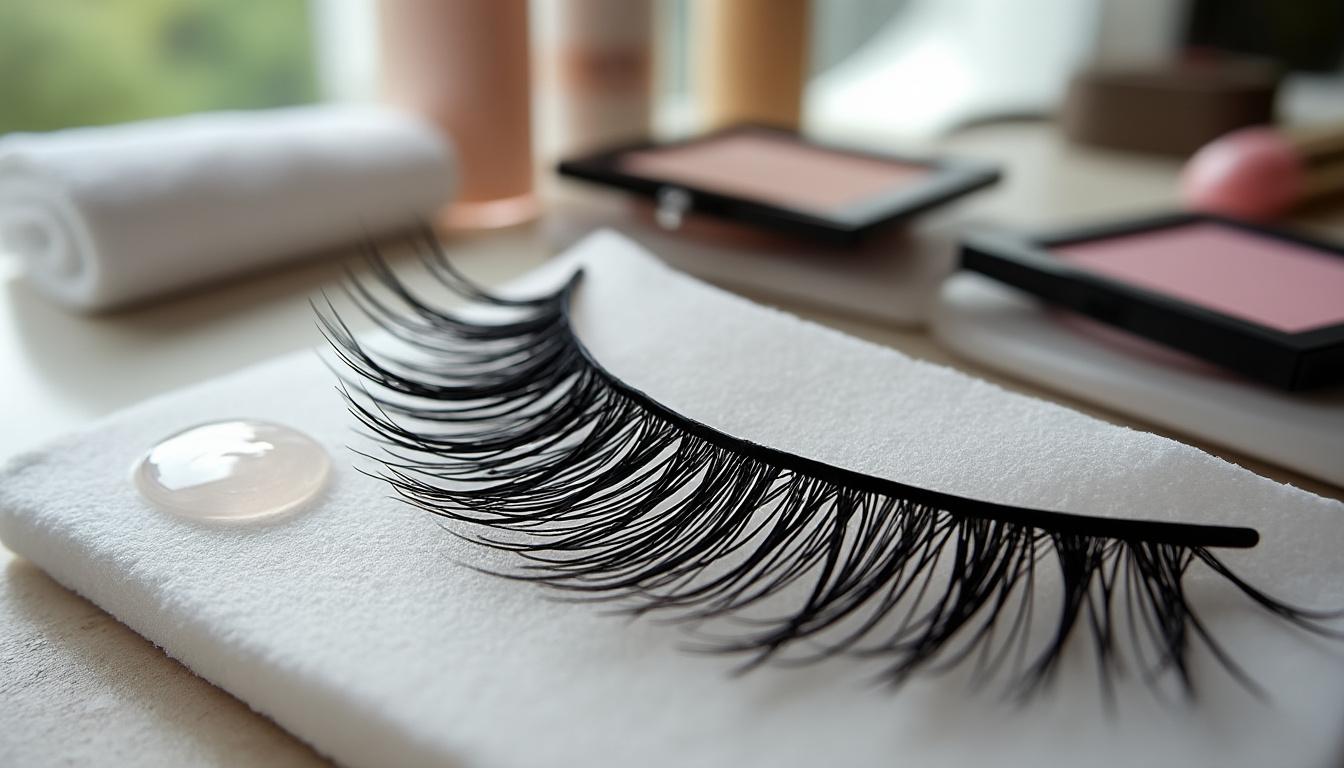
Why Oil-Free Makeup Removers Are Preferred for Eyelash Extension Maintenance
Oil-free makeup removers have become the gold standard for those wearing eyelash extensions, thanks to their compatibility with lash adhesives and gentle cleansing properties. These formulas avoid the problematic oils that can quickly dissolve lash extension glue, ensuring that bonds remain strong and your lashes stay beautifully attached.
Water-based removers and micellar waters are particularly favored because they deliver thorough cleansing without the use of harsh detergents or oils. These products effectively break down makeup like eyeshadow, mascara, and eyeliner without requiring excessive rubbing, which can also contribute to lash shedding.
Another benefit of oil-free makeup removers is their reduced risk of irritation. The delicate skin around the eyes often reacts to harsh ingredients, so gentle, hypoallergenic options are essential to prevent redness, swelling, or dryness that might otherwise exacerbate lash fragility.
For those who prefer a specific product recommendation, many trusted salons and beauty professionals recommend cleansers specifically formulated for lash extension safety, such as gentle foaming washes or lash extension cleansers by trusted brands. Not only do these products cleanse effectively, but they also help prolong the life of the extension bond when used consistently.
Exploring safe cleansing routines further, this article offers a curated list of the best makeup removers suitable for eyelash extensions.
Tips to Follow When Removing Makeup With Eyelash Extensions
- Avoid rubbing or tugging: Gently wipe makeup away using soft cotton pads soaked with oil-free remover to prevent loosening extensions.
- Use gentle, sweeping motions: Pat or stroke from the inner corner to the outer to minimize lash stress.
- Remove all eye makeup before bedtime: Leaving makeup on can weaken lash adhesive and potentially cause irritation.
- Incorporate a lash shampoo: Clean your extensions regularly with a shampoo designed for lash extension care to eliminate oils, dirt, and bacteria.
- Avoid waterproof mascaras: These require stronger makeup removers that may damage extensions.
Exploring the Science Behind Lash Adhesive and Makeup Ingredients
To fully understand how oil based makeup remover can interfere with eyelash extension maintenance, it’s worthwhile to examine the science behind the lash adhesive and various makeup remover ingredients. Lash extension glue is typically cyanoacrylate-based, designed to create a strong, long-lasting bond that resists water and mild cleansers. However, oils have the chemical capability to soften and degrade this cyanoacrylate bond. Once compromised, the bond breaks down, allowing extensions to fall out prematurely.
Makeup removers containing mineral oils, coconut oils, or heavy emollients can easily penetrate the adhesive layer, leading to weakening. In contrast, water-based removers often rely on surfactants and micelles to encapsulate and lift makeup particles without interacting negatively with the glue’s molecular structure.
Understanding ingredient labels is key. Avoid makeup removers with common oil derivatives such as mineral oil, petrolatum, and various esters when managing eyelash extension health. Instead, seek formulas highlighting terms like “oil-free,” “hypoallergenic,” or “micellar” for safer cleansing.
| Makeup Remover Ingredient | Effect on Lash Adhesive | Safety for Eyelash Extensions |
|---|---|---|
| Mineral Oil | Breaks down cyanoacrylate glue | Unsafe |
| Micellar Water | Removes makeup gently without glue effect | Safe |
| Petrolatum | Weakens adhesive bond | Unsafe |
| Water-Based Surfactants | Cleanses without glue damage | Safe |
| Coconut Oil | Dissolves adhesive layers | Unsafe |
For a deeper insight into the impact of makeup remover ingredients on lash adhesive, specialized articles such as this resource on oil based makeup remover safety are valuable reads.
How to Safely Incorporate Oil-Based Cleansers in Lash Extension Care
While oil based makeup removers are generally discouraged for daily use by those with eyelash extensions, there are occasions where gentle oils can be thoughtfully integrated into beauty routines without causing damage. For example, some lash technicians suggest using specially formulated oil-based cleansers during the last part of the extension lifecycle, when natural lash turnover approaches, to help break down the adhesive safely before removal appointments.
Additionally, blending small amounts of lightweight oils, such as jojoba or squalane, into lash cleansing rituals can help combat dryness and maintain natural lash health. However, this must be done cautiously, ensuring the oil does not directly interact with the lash adhesive itself.
The key lies in timing and technique: oils used post-removal or well away from the bonding area minimize risk. For clients committed to lash extension maintenance, consulting with a licensed lash technician before introducing any oil-based products is strongly recommended.
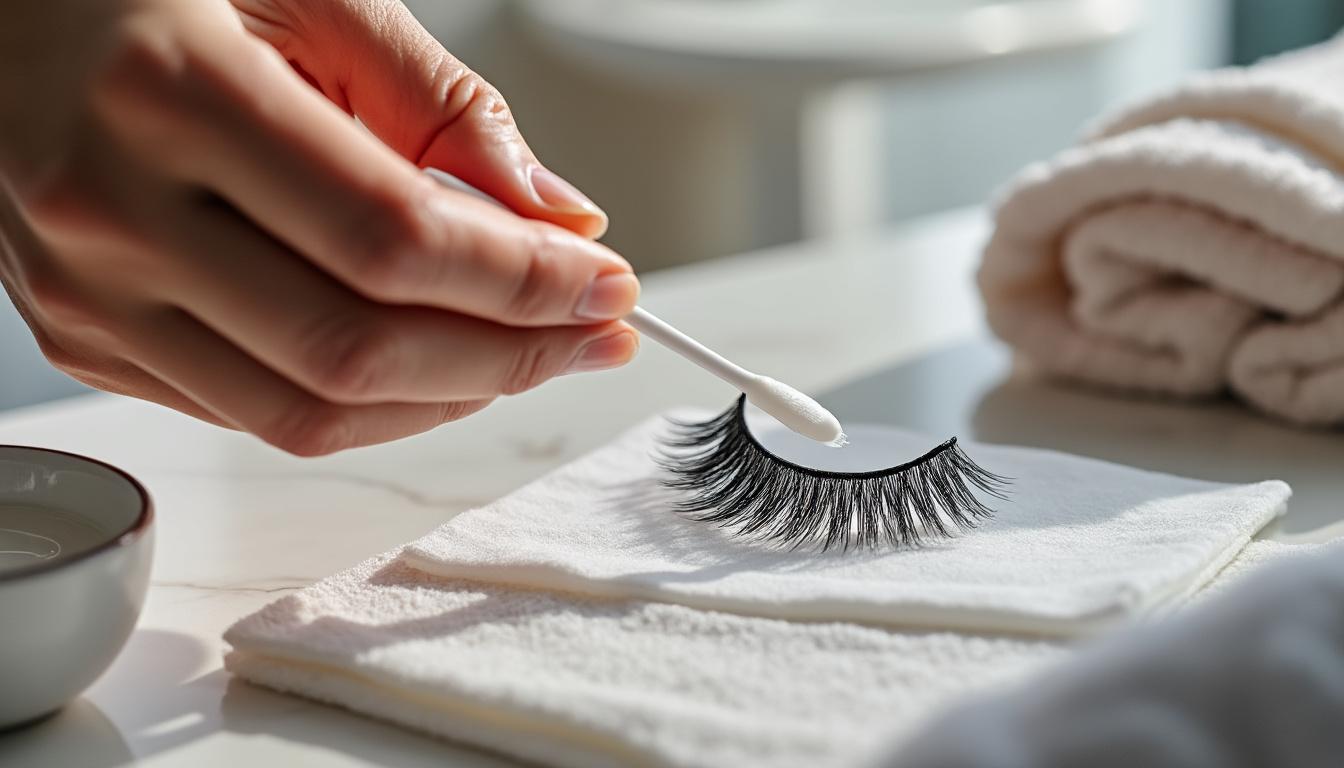
This nuanced approach to using oil based makeup removers highlights the balance between luxury and lash extension care, reflecting evolving beauty trends and advanced product formulations in 2026. It’s a fine illustration of adapting routine steps to safeguard both lash aesthetics and adhesive integrity.