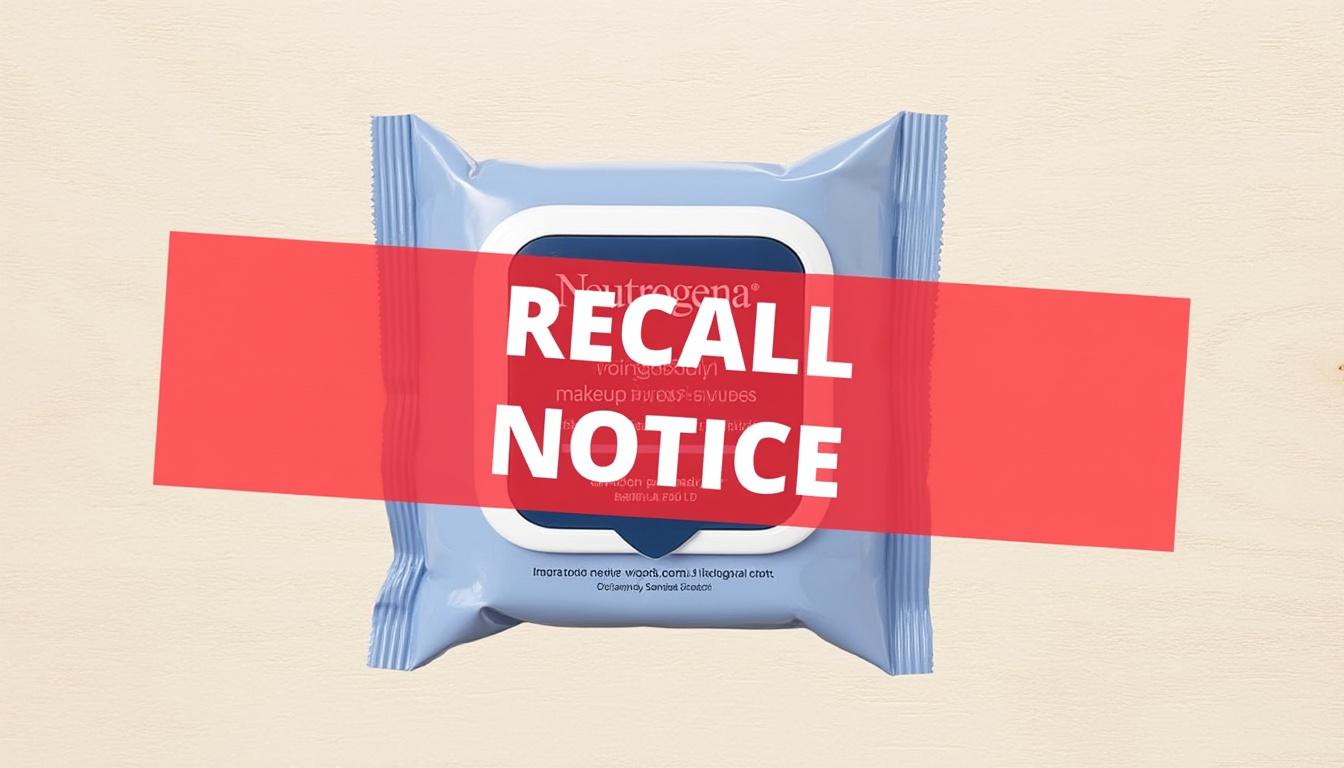
In early 2026, a significant product alert shook the skincare community as Neutrogena announced a voluntary recall of its Makeup Remover Ultra-Soft Cleansing Towelettes. This recall stemmed from contamination concerns linked to Pluralibacter gergoviae, a bacterium detected during routine quality checks. Distributed primarily across southern U.S. states including Texas, South Carolina, Georgia, and Florida, these 25-count compostable makeup remover wipes have since raised consumer safety alarms. The U.S. Food and Drug Administration (FDA) quickly classified this recall as a Class II health risk, signaling potential but medically reversible effects from product exposure. As makeup remover wipes have become a staple for many seeking quick and convenient skin cleansing, understanding the implications of this contamination becomes vital. This article unpacks all you need to know about the recall, the bacterial threat involved, and the broader concerns for skin care safety.
Key Takeaways:
- Neutrogena voluntarily recalled 1,312 cases of Makeup Remover Ultra-Soft Cleansing Towelettes due to bacterial contamination.
- The contamination involved Pluralibacter gergoviae, which poses infection risks especially to immunocompromised individuals.
- The FDA classified the recall as Class II, indicating potential temporary or reversible health effects.
- Distribution was concentrated in southern states, including Texas, Georgia, South Carolina and Florida.
- Consumers are advised to check lot numbers and immediately stop using affected wipes for safety.
Understanding the Neutrogena Makeup Remover Wipes Recall of 2026
When a trusted brand like Neutrogena issues a product recall, it sends ripples through the beauty and skincare world. The recall of Makeup Remover Ultra-Soft Cleansing Towelettes in 2026 highlights the challenges of ensuring safety in cosmetic products designed for sensitive facial skin. The essential function of makeup remover wipes is to cleanse the skin effectively without irritation or harm. However, the detection of Pluralibacter gergoviae—a relatively rare but potentially harmful bacterium—raises concerns about contamination risks in personal care products.
This recall was initiated after internal testing identified the presence of this bacterium in a specific lot (lot number 1835U6325A) of wipes packaged in 25-count, plant-based, compostable materials. Such findings triggered a voluntary recall affecting approximately 1,312 cases distributed in four U.S. states. The FDA’s classification as a Class II health hazard means that while immediate life-threatening danger is unlikely, exposure could cause temporary health issues, particularly skin infections or irritations in vulnerable users.
Pluralibacter gergoviae is known to thrive in moist environments and can be resistant to typical preservatives used in cosmetics. This makes wipes—a product designed to remain moist in packaging for prolonged periods—especially susceptible to microbial growth if manufacturing or storage conditions are compromised. For consumers, this situation underscores the significance of microbiological testing and stringent hygiene protocols in the production of personal care items. Such recalls inevitably impact consumer trust, pushing brands and regulatory bodies to heighten safety assurance measures.
Beyond the immediate recall, this development invites a deeper reflection on the balance between convenience and safety in everyday skincare routines. It also highlights the ongoing vigilance required by manufacturers like Neutrogena to prevent contamination, particularly in products used daily on delicate skin. For avid users of makeup remover wipes, awareness of lot numbers and recall announcements is essential to avoid health risks.
The Risks of Bacterial Contamination in Skincare Products
Contamination in cosmetic products isn’t a new challenge, but it remains a critical issue for both manufacturers and consumers. Makeup remover wipes, by their nature, present unique risks due to their moist texture, which can foster microbial growth if preservation systems fail or production standards slip. The bacteria identified in this recall, Pluralibacter gergoviae, is particularly concerning because it has been linked to opportunistic infections, especially in individuals with weakened immune systems.
Users who rely on makeup remover wipes for quick cleansing could unwittingly expose themselves to the risk of skin irritation, dermatitis, or infections if such bacteria are present. In immunocompromised patients or those with pre-existing skin conditions, these effects can be more pronounced and potentially medically reversible but uncomfortable. For healthy individuals, the risk might be minimal but not negligible.
From a scientific standpoint, this bacterial strain is resilient and can survive in environments where many preservatives are less effective. This raises crucial questions about preservative efficacy and packaging design in skincare innovations. The cosmetics industry continuously balances product formulations to ensure both efficacy and safety while maintaining desirable textures and usability. The presence of such contamination in a well-established brand’s product reflects the complex challenges of manufacturing personal care goods at scale.
Manufacturers must adapt by improving microbiological testing protocols and investing in innovative preservation techniques. For instance, the use of more natural preservatives combined with improved packaging technology can offer protection against microbial contamination without compromising product integrity. This innovation is particularly vital in the clean beauty movement, where consumers demand safer, more natural ingredients but still expect effectiveness and product longevity.
Understanding these factors reinforces why consumers need to stay alert to recalls and product safety notices. The FDA’s role in monitoring and classifying such recalls is a critical element in protecting public health. The classification of this Neutrogena recall as Class II ensures affected consumers are promptly informed about potential adverse effects and can take corrective action, a process highlighted in this detailed report on makeup wipe recalls.
How to Identify and Respond to the Neutrogena Makeup Remover Wipes Recall
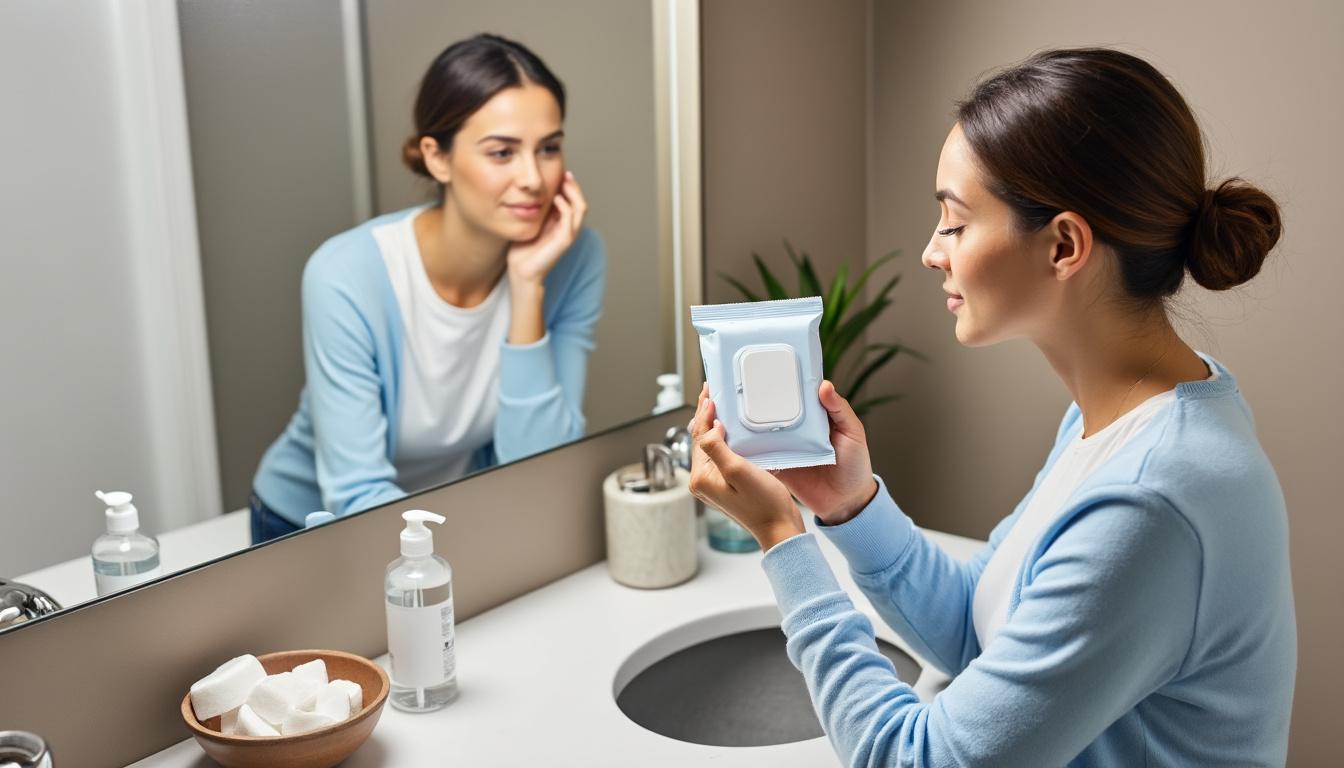
Awareness and prompt action are key when dealing with product recalls in sensitive categories such as skincare. Consumers who use Neutrogena Makeup Remover Ultra-Soft Cleansing Towelettes should check the packaging for the specific lot number 1835U6325A to determine if their product is affected. These wipes were primarily distributed in Texas, Georgia, South Carolina, and Florida from late 2025 onward.
If your product matches the recalled lot, it is advised to immediately discontinue use, securely dispose of the wipes to prevent unintentional use or environmental harm, and monitor for any unusual skin reactions if you have recently used them. Although no widespread infections from these wipes have been reported, vigilance is necessary—particularly for those with sensitive or compromised skin.
Retailers and distributors have been urged to remove affected stock promptly to minimize consumer exposure. Additionally, as the recall is voluntary, consumers uncertain about their product’s safety or concerned about symptoms are encouraged to consult healthcare professionals. For ongoing updates and guidance on the recall process, trusted beauty and safety information sites, including detailed recall resources, provide comprehensive consumer advice.
Checking for recalls and product safety notices should become a routine part of skincare product purchases. In addition, adopting flexible makeup removing alternatives—such as washable cloths and micellar water—offers safer options during recall periods. Consumers valuing both convenience and safety can build more resilient skincare habits by remaining informed and cautious.
- Verify lot number on product packaging
- Immediately stop use if matched to recalled batch
- Safely dispose of the contaminated wipes
- Monitor skin for signs of irritation or infection
- Consult a healthcare provider if adverse symptoms develop
- Stay updated through reliable recall information platforms
Long-term Implications for Skincare Brands and Consumer Safety
This recall extends beyond immediate health concerns and impacts broader considerations in the beauty industry. As consumer demand for convenience products like makeup remover wipes grows, so does scrutiny on manufacturing processes, ingredient safety, and product preservation. For large, reputable brands such as Neutrogena, handling a recall effectively is crucial in maintaining consumer trust and brand integrity.
Product recalls drive industry players to reassess and reinforce quality control protocols. This incident accentuates the need for enhanced microbial testing at multiple production stages and improved packaging solutions designed to inhibit bacterial growth. Adoption of more advanced preservation systems could also become standard practice to ensure products remain bacterially safe throughout shelf life.
The recall highlights that even plant-based, compostable packaging—which aligns with sustainable consumer values—must also meet stringent safety benchmarks. This calls for innovative research into packaging materials that both protect the product and are environmentally responsible.
From the consumer perspective, recalls serve as a stark reminder that skincare safety is paramount. While convenience is a priority, it must not come at the cost of potential health risks. Educating consumers on how to spot recalls, recognize batch numbers, and seek alternatives helps empower more informed choices.
| Aspect | Potential Impact | Recommended Industry Action |
|---|---|---|
| Bacterial Contamination | Health risks, temporary infections, brand reputation damage | Enhanced microbiological testing, stricter hygiene controls |
| Packaging Materials | Need to balance sustainability with safety | Research into antimicrobial, compostable packaging |
| Consumer Trust | Potential loss of confidence in product safety | Transparent communication, swift recall management |
| Regulatory Compliance | FDA Class II recalls increase oversight | Proactive engagement with authorities, compliance upgrades |
Alternatives to Makeup Remover Wipes During Recall Periods
With consumer safety at the forefront, many are reconsidering the daily use of makeup remover wipes during ongoing recalls. The convenience of wipes often overshadows their limitations, particularly the vulnerability to contamination when preservatives fail or packaging integrity is compromised. As an alternative, users can adopt various effective and safe makeup removal methods that enhance skin health.
First, micellar water remains a dermatologist-favored product for gentle and thorough cleansing without abrasiveness or microbiological risks associated with moist wipes. Applied with a soft cotton pad, micellar water dissolves makeup effectively and requires no rinsing, making it an excellent substitute during recall periods.
Reusable makeup remover cloths—especially those made of microfiber or bamboo fabric—provide another sustainable and safe choice. These cloths rely on warm water and gentle wiping, eliminating the risk of bacterial growth while being eco-friendly. Brands focusing on clean beauty frequently highlight these as long-term solutions to disposable wipe dependence.
Oil-based cleansers and balms also offer superior makeup removal, particularly for waterproof cosmetics. These products emulsify with water, providing a deep yet gentle cleansing process that nourishes the skin rather than stripping it. For those with dry or sensitive skin, this method enhances hydration while effectively removing makeup residues.
Lastly, consumers should pay attention to ingredient lists and product claims, opting for preservative systems proven to balance efficacy with skin tolerance. Shopping during recalls with an informed mindset safeguards both skin health and peace of mind.
- Micellar water with soft cotton pads
- Reusable microfiber or bamboo makeup remover cloths
- Oil-based cleansing balms and oils
- Gentle foaming cleansers for daily use
- Hydrating, preservative-conscious formulations