
In the world of skincare, where fragrant floral notes and sweet vanilla scents promise a luxurious experience, many overlook a quieter revolution quietly reshaping beauty routines everywhere: scent free skincare. For those with sensitive skin, embarking on a fragrance-free journey isn’t just a preference—it’s a transformative step towards calming irritation, strengthening skin resilience, and unlocking the full potential of therapeutic ingredients. As increasing numbers of dermatologists emphasize the crucial benefits of fragrance-free formulations, a clear narrative emerges: scents may entice, but their hidden complexities often jeopardize skin health. In 2026, with newer studies and growing consumer awareness, embracing scent free skincare has never been more relevant for anyone prioritizing gentle, allergy prevention-focused beauty.
Key Takeaways on Scent Free Skincare for Sensitive Skin:
- Scent free skincare minimizes irritation and allergic reactions, critical for sensitive skin types.
- Not all “unscented” products are fragrance-free; understanding labeling nuances is essential.
- Both natural and synthetic fragrances can provoke sensitivities—avoidance is often safest.
- Fragrance-free routines better support active ingredient efficacy and barrier repair.
- Transitioning to scent free skincare requires patience, patch testing, and informed product choices.
- Hidden fragrances exist beyond skincare—hair care, laundry, and household products matter too.
Understanding What “Scent Free” Means and Its Importance in Sensitive Skin Care
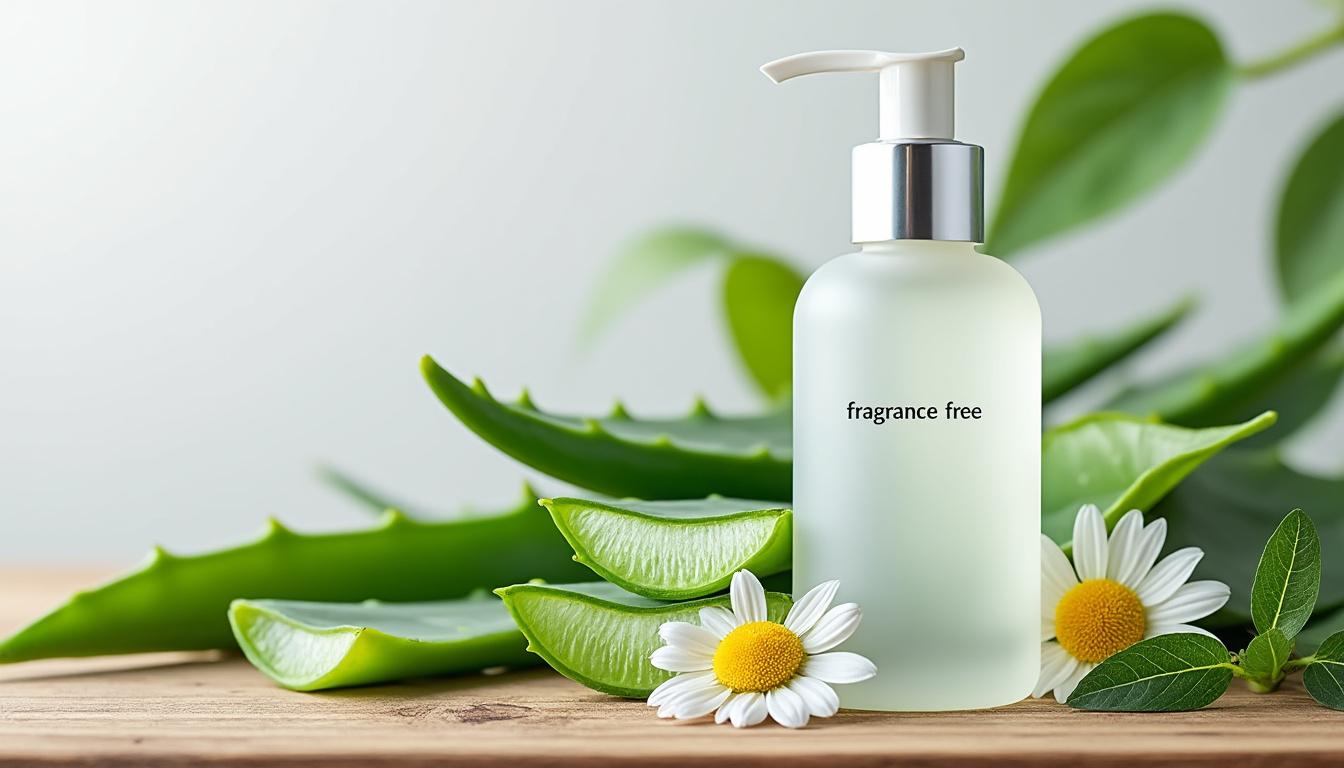
When selecting skincare for sensitive skin, discerning the term “scent free” is more than a preference—it’s a necessity. Unlike “unscented” products, which often contain masking agents to neutralize odors, genuinely scent free skincare products exclude both synthetic and natural fragrance components entirely. This subtle distinction holds profound implications. While an unscented product may still introduce allergenic substances under the guise of “neutralizing” smells, a true scent free formula avoids these chemicals, ensuring minimal irritant exposure for delicate skin.
In 2026, regulatory scrutiny around ingredient labeling has improved, yet many skincare brands still capitalize on the “fragrance loophole,” bundling dozens—or even hundreds—of scented chemicals under broad terms like “Parfum” or “Aroma.” This practice may mask allergenic compounds problematic for sensitive skin sufferers. Consumers committed to allergy prevention and irritation reduction now more than ever benefit from becoming ingredient detectives, seeking out products that explicitly label as “fragrance free” and verifying the absence of common allergens.
The significance of scent free skincare extends beyond avoiding unpleasant reactions. Fragrance, whether derived naturally from essential oils like lavender or synthetically formulated, provides no therapeutic benefit. Instead, it poses avoidable risks to skin barrier integrity, exacerbating redness, dryness, and inflammation. For sensitive skin, where the protective barrier is often compromised, eliminating scent ensures that the skin can focus on recovery and nourishment without the distraction of potential irritants.
Not surprisingly, many dermatologist recommended fragrance free products now emphasize minimal ingredient formulations that prioritize hydrating, barrier-supporting compounds without the addition of scent, aligning perfectly with the needs of allergy-prone or delicate skin. Incorporating scent free choices in your routine is an empowering way to create a calm canvas, ready to reap the benefits of natural ingredients designed with gentle care.
Why Fragrance Can Be a Hidden Trigger for Skin Irritation and Allergies
It may be tempting to reach for beautifully scented products promising a sensory delight, but fragrance in skincare is often an underestimated culprit behind unexplained skin reactions. Fragrance, as listed on ingredient labels by terms such as “Parfum” or “Aroma,” typically comprises a blend of dozens, if not hundreds, of chemicals. These fragrances can be either synthetic or natural essential oils, both capable of irritating the skin.
Scientific evidence and reports show that fragrance is among the leading causes of contact dermatitis—both irritant and allergic varieties. For individuals with sensitive skin or those prone to allergies, exposure to fragrance compounds can provoke acute redness, itching, burning, and other signs of discomfort. Moreover, these reactions are not always immediate; some may develop slowly, manifesting as chronic, subclinical inflammation that weakens the skin barrier over time.
Both natural and synthetic fragrances carry risks. Essential oils like lavender, peppermint, and citrus oils, although natural, contain volatile compounds that can sensitize the skin. Similarly, synthetic fragrances are crafted to mimic scents but may include allergenic chemicals. Unfortunately, as the composition of fragrances is protected as trade secrets in many regions, consumers cannot know precisely which chemicals they apply, complicating allergy prevention.
Living with fragrance allergies requires vigilance in selecting skincare—and often extending caution to cosmetics, deodorants, and hair care products. Telltale signs of fragrance-related irritation include persistent redness, dry patches, or flare-ups of conditions such as eczema or rosacea. Recognizing fragrance as a trigger empowers individuals to make a decisive switch to genuinely fragrance free options for lasting relief and skin harmony.
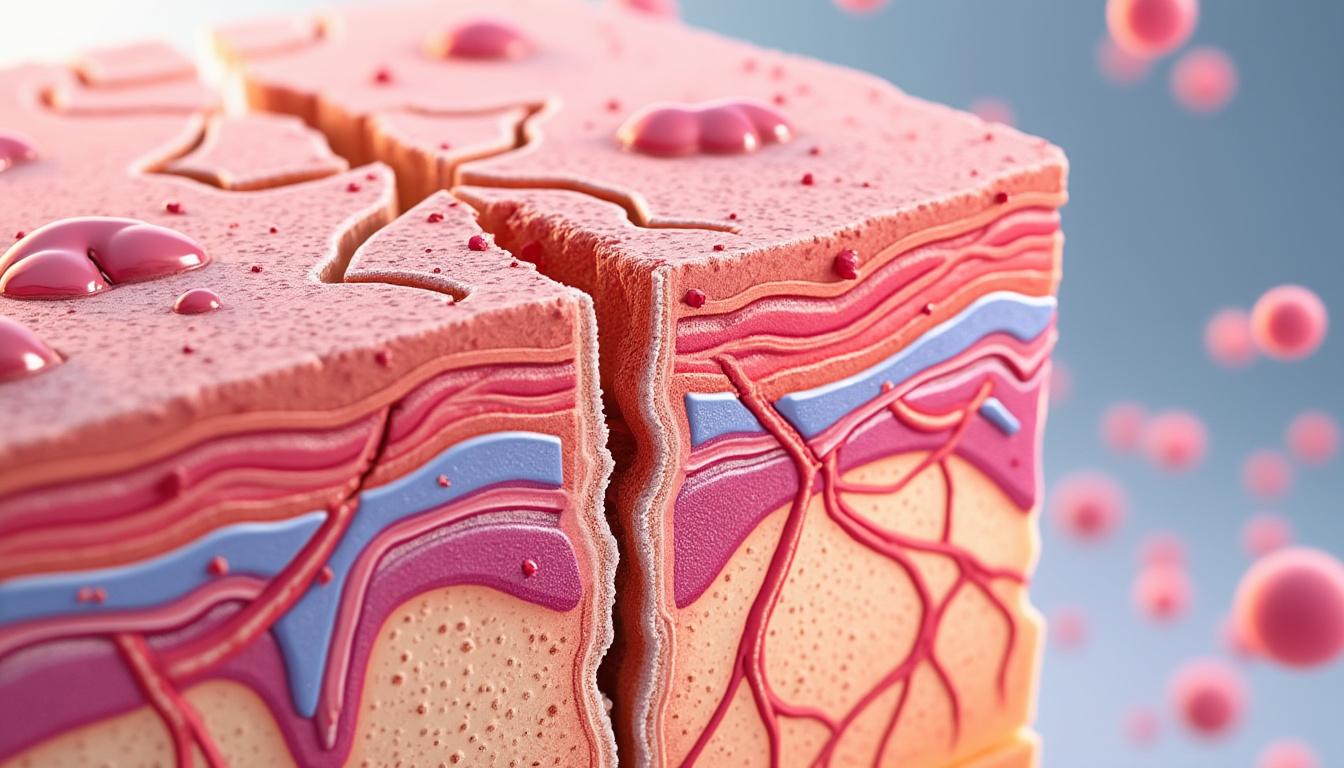
Looking closely, fragrance can impair the essential protective barrier of the skin, increasing transepidermal water loss (TEWL) and susceptibility to environmental aggressors. This barrier disruption not only fuels irritation but also accelerates premature aging signs such as fine lines and uneven texture. Dermatologists widely agree that fragrance-free skincare forms the backbone of treatment regimens targeting sensitive, acne-prone, or inflammatory skin.
Learn more about how fragrance-free formulas improve skin health and why the industry is moving towards gentler, allergy-preventing skincare solutions.
Most Common Fragrance Allergens to Watch Out For:
- Linalool
- Limonene
- Geraniol
- Citronellol
- Cinnamal
- Eugenol
- Citral
- Coumarin
Awareness of these components is critical, as they can lurk even in “unscented” products. Consider checking with your dermatologist or utilizing patch testing for personalized allergy identification.
Building a Scent Free Skincare Routine: Essential Steps and Ingredient Highlights
Transitioning to a fragrance-free regimen requires care, but the rewards for sensitive skin are immediate and long-term. With an emphasis on gentle, hypoallergenic products, you can protect your skin while enhancing its natural fortitude.
Key Components of an Effective Scent Free Routine:
- Gentle Cleanser: Choose a fragrance-free, sulfate-free cleanser that cleans without stripping natural oils.
- Hydrating Toner or Essence (Optional): Apply an alcohol-free, fragrance-free product to soothe and prep skin.
- Targeted Serums: Incorporate serums rich in niacinamide to reduce redness or hyaluronic acid for hydration, ensuring they are fragrance free.
- Moisturizer: A fragrance-free moisturizer tailored to your skin type supports barrier repair and hydration retention.
- Sunscreen: Always finish with a broad-spectrum, fragrance-free SPF to shield against UV damage without irritation.
For instance, using a hyaluronic acid serum free from excess additives allows the skin to maximize moisture retention without distraction from irritating scent compounds. Similarly, barrier-repairing ingredients like ceramides and panthenol work best when not undermined by fragrance-related irritation.
Patience is essential during this transition. Your skin might initially experience a sensitization phase as it adjusts, but with consistent use of dermatologist recommended fragrance free products, visible improvement often appears in a matter of weeks.
Practical Tips for Smooth Adoption:
- Audit your current products for “Parfum,” “Fragrance,” or “Aroma” on ingredient lists.
- Introduce one new fragrance-free product at a time to monitor skin response.
- Patch test all new products thoroughly before full-face application.
- Opt for reputable brands with clear fragrance-free certifications.
| Step | Recommended Ingredient Focus | Benefit for Sensitive Skin |
|---|---|---|
| Cleansing | Sulfate-free, moisturizing agents | Gentle removal of impurities without barrier disruption |
| Hydration | Hyaluronic acid, glycerin | Intense moisture retention to soothe dry, reactive skin |
| Barrier Repair | Ceramides, panthenol | Strengthens skin’s natural defense and reduces sensitivity |
| Sun Protection | Mineral SPF (Zinc oxide, Titanium dioxide) | Protects from UV damage without irritation or chemical sensitizers |
Beyond the Bottle: Recognizing Hidden Fragrances in Daily Life and Their Impact
The benefits of scent free skincare extend far beyond the lotions and serums you apply daily. Many overlooked items in your environment can harbor fragrances that exacerbate sensitive skin conditions. Haircare products like shampoos and conditioners, laundry detergents, fabric softeners, and even household cleaners frequently contain fragrance additives.
For example, a shampoo with a heavy floral scent can drip onto your face during rinsing, causing irritation or triggering redness. Similarly, residues from fragranced laundry products embedded in pillowcases or towels can perpetuate skin sensitivity overnight. Perfumes, body sprays, and air fresheners contribute to airborne fragrance particles that settle on skin or trigger respiratory reactions in allergy-prone individuals.
Minimizing these external sources can significantly enhance skin comfort. Choosing fragrance-free options for your haircare and home products aligns perfectly with a holistic approach to allergy prevention and irritation reduction. As awareness grows, consumers in 2026 are increasingly opting for environmental fragrance-free lifestyles to complement their gentle skincare routines.
Understanding and embracing scent free skincare transforms not only your beauty regimen but your broader wellness approach. By attentively selecting truly fragrance free skincare and recognizing hidden fragrance sources around you, your skin can thrive in calm, healthy conditions.