As the global beauty landscape shifts toward more conscious and sustainable choices, vegan skincare is emerging as a vital component for those seeking healthy skin without compromising ethical values or ecological responsibility. Rooted in the principle of excluding animal-derived ingredients and advocating for cruelty-free practices, vegan skincare combines the best of nature’s plant-based ingredients with advances in formulation technology to offer effective, nourishing, and eco-friendly solutions. In 2026, consumers are increasingly aware of how their beauty routines can impact not just their skin but also the planet, leading to a surge in demand for products that marry skin nourishment with sustainability.
What makes vegan skincare compelling is its dual promise: fostering healthy skin through potent natural ingredients while simultaneously supporting environmental stewardship and animal welfare. From antioxidant-rich botanicals to non-toxic formulas free from harsh chemicals, these products provide hydration, anti-aging benefits, and skin clarity without relying on animal testing or unsustainable ingredient sourcing. Brands dedicated to vegan and cruelty-free skincare are pioneering transparent, eco-friendly packaging and ethical business models, aligning with the values of modern consumers who demand more from their beauty investments.
This article delves into the multifaceted benefits of vegan skincare products for healthy skin, examining their ethical foundations, environmental impact, formulation advantages, and the growing role they play in conscious beauty routines. Whether you have sensitive, oily, or mature skin, understanding how vegan formulations support your complexion can guide you toward choices that enhance both your skin’s appearance and your personal values.
Key takeaways ahead: Vegan skincare products stand out for their commitment to cruelty-free production, use of rich plant-based nutrients, gentler formulas well-suited to diverse skin types, and their overall positive environmental footprint. These factors contribute to radiant, well-hydrated skin that thrives on natural nourishment while helping reduce the beauty industry’s ecological burden.
Understanding Vegan Skincare and Its Foundation in Natural Ingredients for Healthy Skin
At its core, vegan skincare refers to products formulated without any animal-derived ingredients such as beeswax, lanolin, collagen, or animal fats. These products also avoid animal testing, embracing ethical standards that prioritize animal welfare. Unlike conventional formulations, vegan skincare harnesses the power of nature’s botanical resources to deliver hydration, anti-aging effects, and skin nourishment through carefully selected plant-based ingredients.
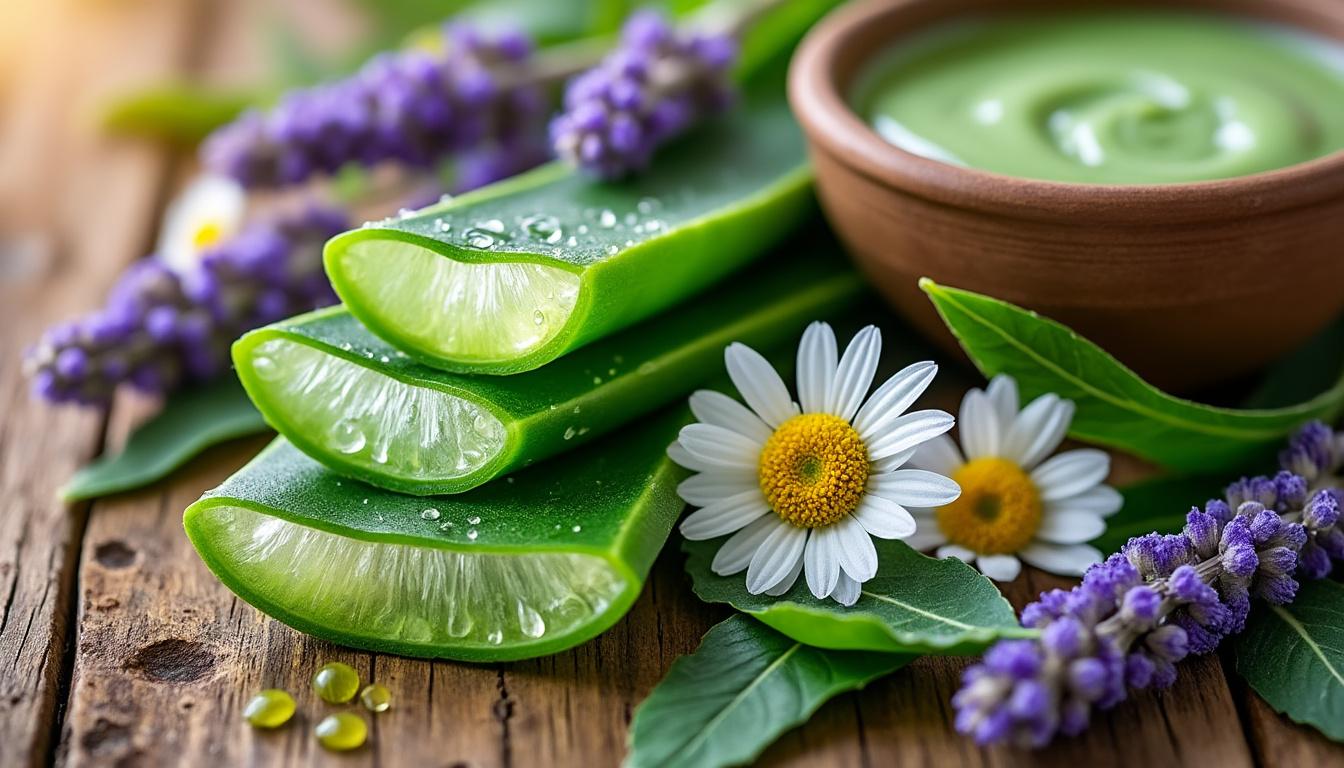
Ingredients like aloe vera, renowned for its soothing and moisturizing properties, form the backbone of many vegan products. Aloe soothes inflamed or irritated skin while simultaneously infusing hydration. Similarly, shea butter offers deep nourishing qualities, promoting skin barrier repair and softness without clogging pores. Essential oils extracted from plants contribute not only fragrance but also targeted benefits; for example, lavender oil calms skin irritations, while tea tree oil acts as a natural antibacterial agent.
Moreover, rare botanicals such as saffron flower extract have gained recognition for their healing and brightening effects, making vegan skincare a repository of potent ingredients rooted in natural science. These natural compounds provide antioxidants that combat oxidative stress and environmental damage, critical factors in skin aging.
What sets vegan skincare apart is its rejection of harsh synthetic chemicals, opting instead for non-toxic, plant-derived actives that harmonize with the skin’s biological functions. This gentler approach reduces the risk of irritation and makes these products particularly suitable for those with sensitive or reactive skin. As vegan skincare continues to evolve, brands like Karmic Skin and others featured on airyamskincare.com emphasize ingredient transparency and sustainable sourcing, underscoring how plant-based beauty is as much about ethics as efficacy.
The Environmental Advantage: Why Vegan Skincare Is Better for the Planet and Your Skin
Vegan skincare does not only promote healthy skin; it actively contributes to reducing your ecological footprint. The shift from animal-derived substances to plant-based ingredients is pivotal in lowering the environmental costs associated with traditional skincare production. Animal agriculture is a leading cause of greenhouse gas emissions, deforestation, and water consumption, all of which contribute significantly to ecological imbalance.
By opting for vegan skincare, consumers reduce demand for resource-intensive animal farming and support more sustainable agricultural practices. Brands that commit to sustainable ingredient sourcing minimize the impact on ecosystems and help preserve biodiversity. For instance, natural ingredients like coconut oil and shea butter, when harvested responsibly, enable replenishment of local environments while providing valuable nutrients for the skin.
A key feature among many vegan skincare products is their adoption of eco-friendly packaging. Minimalist, biodegradable, or recyclable materials reduce plastic waste and encourage circular beauty consumption, ensuring the benefits of a product extend beyond skin nourishment to environmental conservation.
Additionally, vegan skincare advances the ethical dimension of beauty through cruelty-free testing methods that exclude animal suffering. This commitment fosters an industry standard that aligns with a compassionate lifestyle, making conscious beauty choices that resonate with the growing community of eco-conscious consumers.
The symbiosis between cruelty-free ethics and environmental responsibility in vegan skincare is well documented, as highlighted in enlightening discussions on VeganAvenue.com. Selecting products with these credentials helps ensure your skincare routine contributes positively to global sustainability efforts while revealing skin’s healthiest potential.
These insights reinforce that your daily skincare regimen can be a powerful act of environmental stewardship, marrying the pursuit of healthy skin with planetary well-being.
Health Benefits of Vegan Skincare: Nourishing and Protecting Your Complexion
Beyond ethics and sustainability, vegan skincare products offer substantial health benefits that are particularly relevant in crafting effective skin routines for 2026. The absence of animal-derived ingredients often results in formulations that contain fewer irritants and allergens, making them ideal for individuals with sensitive or combination skin.
With their robust profiles of natural ingredients, vegan products supply a rich array of vitamins, minerals, and antioxidants that actively promote skin repair, hydration, and protection. For example, ingredients like turmeric root extract are cherished for their anti-inflammatory and brightening properties, aiding in evening out skin tone and reducing redness.
Similarly, botanicals such as carrot root extract are rich in beta-carotene, a precursor to vitamin A, known for supporting skin renewal and sustaining a youthful, radiant glow. Moreover, gentle plant-based oils like jojoba and avocado enhance hydration without clogging pores, providing lightweight moisture that adapts to various skin types.
This focus on clean, non-toxic formulations means vegan skincare products typically avoid harsh chemicals like parabens, synthetic fragrances, and sulfates, which can weaken skin’s natural defenses and exacerbate sensitivity. Consumers increasingly recognize how such wholesome nourishment leads to more resilient skin that better retains moisture and lessens visible signs of aging.
Another noteworthy advantage is the anti-aging potential of vegan skincare, fueled by potent antioxidants neutralizing free radicals and supporting collagen synthesis. This is especially important as skin ages and requires more intensive protection and nourishment. Personal testimonials and clinical observations often highlight how transitioning to vegan products significantly improved skin texture, brightness, and overall health, aligning with tips shared on NerdSkincare.com.
Incorporating vegan skincare into your routine not only addresses immediate concerns like dryness or irritation but also promotes long-term skin vitality, underscoring its role as a holistic, nourishing approach for those seeking radiant and healthy skin year-round.
Comparing Vegan Skincare to Conventional Beauty Products: What Sets Them Apart?
The fundamental difference between vegan and traditional skincare lies in ingredient sourcing and formulation philosophy. Conventional products often rely on animal-derived components such as lanolin, beeswax, or collagen that, while sometimes effective, present concerns related to ethics, sustainability, and potentially harsher skin reactions.
From an environmental standpoint, the extraction of animal-based ingredients contributes heavily to deforestation, water pollution, and greenhouse emissions. Vegan alternatives, in contrast, prioritize plant-based sources that can be sustainably cultivated or harvested with minimal ecological disruption. This transition is essential considering the increased urgency of climate challenges faced in 2026.
Moreover, vegan skincare brands tend to emphasize transparency. Consumers can learn exactly what ingredients are included and their sourcing methods, a practice that builds trust through ethical commitments. This level of openness contrasts with many conventional lines where ingredient sourcing remains opaque, and animal testing persists.
Regarding skin tolerance, vegan formulations typically offer gentler, more calming effects due to their reliance on natural oils like jojoba and avocado, and soothing botanicals such as chamomile and calendula. For sensitive skin, these ingredients minimize the risk of allergic reactions or irritation that may occur from animal proteins or synthetic chemicals found in non-vegan products.
Table: Key Differences Between Vegan and Traditional Skincare Products
| Aspect | Vegan Skincare | Traditional Skincare |
|---|---|---|
| Ingredient Source | Plant-based, natural extracts | Includes animal-derived ingredients |
| Ethical Practices | Cruelty-free, no animal testing | Often involves animal testing |
| Environmental Impact | Lower carbon footprint, sustainable sourcing | Higher emissions, resource-intensive farming |
| Suitability for Sensitive Skin | Gentle, less irritating | May trigger allergies and irritation |
| Transparency | High ingredient and process transparency | Variable, often limited disclosure |
The transition to vegan skincare represents an informed choice not only for personal skin health but also as an expression of conscious consumerism. For skincare enthusiasts keen to explore this further, resources like Karmic Skin’s blog offer insightful perspectives on sustainable beauty.
Integrating Vegan Skincare into a Holistic Routine for Sustainable Beauty and Healthy Skin
Adopting vegan skincare is an empowering step towards a holistic lifestyle that values health, beauty, and environmental responsibility simultaneously. Building a routine centered on vegan products involves selecting formulas rich in plant-derived nutrients that deliver lasting hydration, anti-aging benefits, and skin barrier support.
Careful attention to product composition and usage can maximize benefits. For example, layering a hydrating plant-based serum containing green tea antioxidants with a nourishing cream enriched with coconut oil and shea butter can reinforce skin resilience and luminosity. Consistent use of these natural ingredients supports skin’s natural repair processes and promotes a healthy glow from within.
Furthermore, many vegan skincare brands prioritize eco-friendly packaging, reflecting the commitment not only to what is inside the jar but also to waste reduction. Buying from brands that use biodegradable or recyclable materials enhances your positive impact, underscoring beauty as a responsible ritual.
- Opt for cleansers with gentle, plant-based surfactants that do not strip natural oils
- Choose serums rich in antioxidants such as vitamin C from botanical sources
- Incorporate moisturizers with natural emollients like jojoba or avocado oil
- Protect your skin daily with mineral-based, vegan sunscreens
- Support brands with transparent, cruelty-free practices and eco-conscious packaging
Aligning your beauty choices with sustainable values cultivates not only healthier skin but integrates seamlessly into a lifestyle of conscious consumption and respect for the environment. As the beauty industry continues to innovate, consumers in 2026 have unprecedented access to vegan skincare options that do not compromise on efficacy or ethics, enabling informed and beautiful decisions.