
Cosmetic permanent makeup has transformed the beauty industry by offering a way to achieve a polished, camera-ready appearance without the need for daily application. As the demand for time-saving and long-lasting beauty solutions increases, this advanced technique has attracted those looking to enhance their natural features with subtle yet effective results. Unlike traditional makeup that washes away or smudges throughout the day, cosmetic permanent makeup—also known as micropigmentation—provides a convenient, enduring alternative that blends artistry with scientific innovation. This growing trend, supported by technological advancements and improved pigments, has evolved into a popular choice for individuals seeking reliable enhancement of eyebrows, lips, and eyes while also addressing medical and cosmetic challenges.
In the pursuit of effortless beauty longevity and practical skin pigmentation solutions, cosmetic permanent makeup offers an intriguing mix of creative control and functional performance. For many, it is less about dramatic transformation and more about perfecting and defining features that highlight natural beauty. From eyebrow enhancement with microblading to subtle lip tinting and eyeliner tattoo applications, this field has diversified greatly, providing various options suited for different skin types and lifestyles. In 2026, professionals are increasingly employing digital precision tools and hypoallergenic pigments, making these procedures safer and more tailored than ever before. The following exploration of cosmetic permanent makeup covers essential techniques, notable benefits, risks to consider, and how to approach aftercare effectively to maximize results and satisfaction.
In brief:
- Cosmetic permanent makeup offers a time-saving, long-lasting alternative to daily cosmetic routines.
- Popular procedures include microblading for eyebrows, lip tinting, and eyeliner tattooing.
- These treatments can last anywhere from 2 to 10 years depending on the technique and pigment used.
- Modern methods emphasize natural-looking results using organic pigments and digital tools.
- Careful selection of a skilled technician and diligent aftercare are critical for safety and optimal outcomes.
- Permanent makeup benefits those with cosmetic concerns, makeup allergies, or busy lifestyles.
- Costs and maintenance vary, but long-term investment often outweighs daily makeup expenses.
- The field is rapidly evolving with innovative pigments and techniques enhancing personalized beauty.
Exploring the Science Behind Cosmetic Permanent Makeup: Techniques and Applications
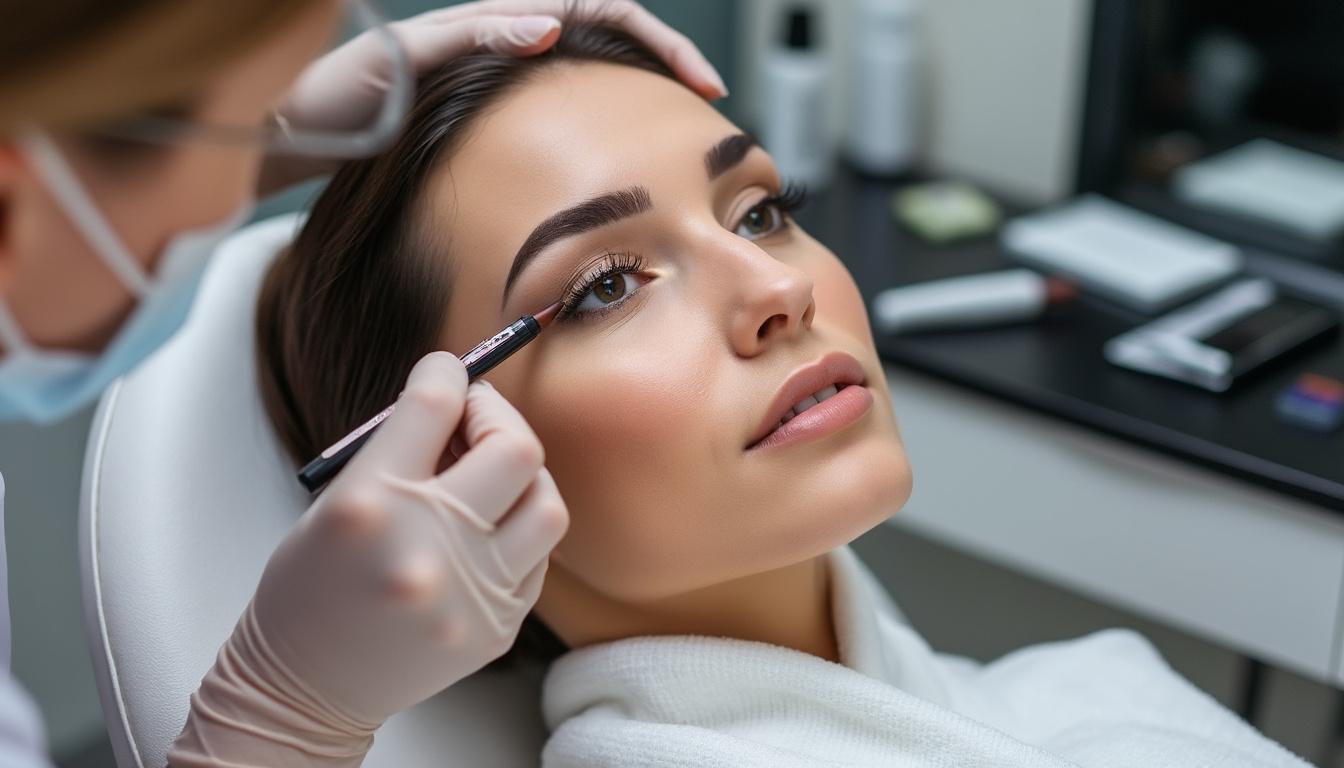
Cosmetic permanent makeup, often referred to as micropigmentation or cosmetic tattooing, is a specialized technique in which pigments are meticulously embedded into the skin’s upper layers to enhance facial features. Unlike traditional tattoos that penetrate deeper skin layers, these procedures target the dermis for a semi-permanent to permanent effect, providing a softer, more natural look. This precision allows for a range of applications, from feather-like strokes in microblading for eyebrow enhancement to solid liner effects in eyeliner tattoos and gentle color washes for lip tinting.
The process itself involves several key steps. First, a consultation with a trained technician assesses skin type, color preferences, and facial harmony to create a personalized design. Then, sterile instruments equipped with fine needles deposit pigment to simulate natural makeup coverage or enhance specific areas. Safety protocols and pigment selection are paramount to prevent allergic reactions or uneven coloration. Advances in pigment chemistry now allow the use of organic, hypoallergenic compounds that fade naturally without harsh tonal shifts, addressing earlier concerns over unnatural blue or green hues resulting from older inks.
Technical innovations in cosmetic permanent makeup include digital micro-pigmentation machines with adjustable needle depth and speed control, enabling greater accuracy for sensitive areas. Additionally, three-dimensional digital mapping helps ensure symmetry and proportionality, tailoring each treatment to the client’s unique facial structure. For instance, microblading uses ultra-fine blades to draw individual hair-like lines, ideal for clients with thinning or sparse eyebrows aiming for subtle fullness. In contrast, lip tinting applies color gradients that add volume and correct uneven pigmentation, perfect for those seeking a natural flush without daily lipstick application.
Emerging semi-permanent makeup options allow clients to enjoy the benefits of cosmetic enhancement with less long-term commitment, as pigments gradually fade within months to a couple of years. This is particularly appealing for experimenting with new styles or color palettes without permanent alteration. Combining such semi-permanent techniques with permanent touches—for example, pairing microblading with permanent eyeliner tattooing—can amplify natural beauty in a customized routine.
For comprehensive understanding, readers may explore detailed insights at sources like understanding permanent makeup techniques and cosmetic permanent makeup applications, which delve into procedure specifics and preparation essentials. The precision and versatility of cosmetic permanent makeup empower individuals to simplify their daily regimen while enhancing their features, embodying the marriage of artistry and technology.
Maximizing Beauty Longevity: The Lasting Advantages of Cosmetic Permanent Makeup
The key appeal of cosmetic permanent makeup lies in its impressive ability to deliver consistent, durable results that resist smudging, fading, or running — all challenges faced by conventional makeup products. This translates to a significant reduction in time spent on daily application and touch-ups, an invaluable benefit for those with hectic schedules or physical limitations that make precise makeup application difficult. Many users report waking up ready to face their day with perfectly shaped brows, defined eyes, or subtly tinted lips, eliminating the morning rush and common frustrations associated with traditional cosmetics.
Beyond time-efficiency, cosmetic permanent techniques provide an inclusive beauty solution for individuals with diverse needs. Those affected by alopecia, chemotherapy-induced hair loss, or skin pigmentation disorders find empowerment through procedures like eyebrow microblading or skin camouflage tattooing, which restore confidence by replicating lost features or concealing imperfections. Eye health considerations such as allergic reactions to conventional eye makeup also motivate many to opt for eyeliner tattooing, which provides a hypoallergenic and water-resistant alternative.
Moreover, cosmetic permanent makeup supports activities that might otherwise impair traditional makeup wear, such as swimming, exercising, or exposure to humid climates. The resistance to water and sweat ensures that looks stay intact throughout a variety of environments, boosting trust in one’s appearance. This resilience encourages clients to embrace an active lifestyle without worrying about makeup smudges or touch-up emergencies.
The longevity and natural appearance of cosmetic permanent makeup also positively influence self-esteem. Rather than feeling dependent on mirrors and cosmetic products, individuals experience empowerment through a consistently polished appearance. As evidence of growing acceptance, industry experts note that makeup benefits now reach a broader audience, underscoring permanent makeup’s role as both an aesthetic enhancer and a practical lifestyle companion.
Below is a clear overview of proven benefits:
- Significant time-saving with effortless daily appearance.
- Waterproof and sweat-resistant makeup that supports active lifestyles.
- Inclusive solutions for medical hair or pigmentation loss, allergies.
- Consistent appearance irrespective of weather or physical activities.
- Boosted self-confidence by reducing dependency on makeup products.
Understanding Risks, Maintenance, and Financial Considerations in Cosmetic Permanent Makeup
While the advantages of cosmetic permanent makeup are considerable, it is essential to approach these procedures informed about potential risks and ongoing responsibilities. As a form of tattooing, it involves modifying the skin’s surface, thus carrying inherent risks such as infection, allergic reactions, and inconsistent pigment retention. The degree of risk varies depending on factors including technician expertise, the quality of pigments, sanitation practices, and individual skin type.
Choosing a certified professional with a strong portfolio is crucial for minimizing complications. Unskilled application can lead to asymmetrical results, pigment migration, or premature fading. Unlike traditional makeup, where you can change styles night by night, cosmetic permanent is lasting, so mistakes can be difficult and costly to correct. Laser removal methods exist but can be painful and financially burdensome.
Maintenance also plays a vital role. Although the need for daily makeup applications reduces drastically, clients must commit to touch-ups every 1 to 3 years depending on the procedure type. Touch-ups restore faded pigment and refine shape or color intensity. Effective aftercare, including sun protection and avoiding exfoliants on treated areas, helps preserve results over time. Clients with oily skin may experience faster pigment breakdown, requiring more frequent maintenance.
Financially, initial costs vary but are generally more substantial than a single makeup purchase. Yet, when evaluated over several years, cosmetic permanent makeup often offers great value as it cuts down on makeup purchases and application time. The following table offers a comparative cost and maintenance overview:
| Procedure | Average Cost (USD) | Touch-Up Interval | Key Maintenance Requirements |
|---|---|---|---|
| Microblading | $300–$700 | 12–18 months | Regular sunscreen, avoid heavy sweating during healing |
| Lip Tinting | $400–$900 | 2–3 years | Moisturizing, daily SPF application |
| Eyeliner Tattooing | $350–$800 | 3–5 years | Avoid rubbing eyes, sun protection |
| Skin Camouflage | $500–$1500 | 4–6 years | Avoid harsh chemicals, minimal after initial healing |
| Scalp Micropigmentation | $800–$3000 | 5–8 years | Avoid sweating during healing, sunscreen post-recovery |
For expert advice and detailed guidance, consulting reputable resources such as permanent makeup guide essentials is recommended. This ensures clients commit to treatments with clear expectations about risks, costs, and upkeep.
How Cosmetic Permanent Makeup Reflects Evolving Beauty Culture and Future Trends
Cosmetic permanent makeup has increasingly become intertwined with the cultural fabric of modern beauty, reflecting broader shifts towards efficiency, personalization, and inclusivity. Its rise in popularity since the early 2000s aligns with societal demands for effortless glamour and solutions that adapt to active, varied lifestyles. Social media platforms have amplified interest by sharing transformative before-and-after visuals, inspiring a wider demographic to explore these options.
This trend also highlights the complex dialogue surrounding natural beauty ideals and cosmetic enhancement. While some embrace permanent makeup as a form of self-expression and empowerment, others debate how far ‘enhancement’ should go before natural authenticity is compromised. Notably, cosmetic permanent makeup has gained acclaim as a restorative tool for survivors of cancer and individuals with skin conditions, significantly impacting their quality of life and emotional well-being.
The future outlook is vibrant, with ongoing innovation promising enhanced pigments that adapt better to individual skin tones, predictable fading patterns, and safer, more comfortable application methods. Some cutting-edge research focuses on ‘smart pigments’ capable of responding dynamically to environmental changes or cosmetic shifts. Integration of augmented reality and virtual consultations offers consumers advanced previews, improving decision-making confidence.
Industry regulations are tightening to ensure safety and raise professional standards, which also contributes to consumer trust and satisfaction. Furthermore, the push for sustainability is inspiring new formulas that prioritize environmental responsibility without sacrificing performance.
Those curious to explore detailed cultural perspectives and evolving technologies may find enriching insights by reviewing discussions at beauty enhancement through permanent makeup and essential tips for cosmetic permanence.