
Cosmetic primer has become an indispensable element in modern makeup routines, celebrated for its ability to transform the overall finish and durability of makeup. Far beyond a simple preparatory step, primers serve as the essential interface between skincare and makeup, ensuring a flawless canvas that elevates every product applied afterward. With countless formulations promising various effects from skin smoothing to shine control, understanding what a makeup base truly does can dramatically improve one’s beauty results. This article delves deeply into the multifaceted world of cosmetic primers, unpacking the science, application techniques, and tangible benefits that make primers an essential part of achieving long-lasting makeup perfection.
From expert makeup artists to everyday enthusiasts, the use of primer has shifted beauty standards, providing a solution to common challenges like pore visibility, uneven texture, and fading foundations. Whether dealing with oily, dry, or sensitive skin, there is a primer tailored to enhance makeup application and boost its stay-power. By exploring these benefits alongside practical tips and product insights, readers will be empowered to make confident choices, recreating professional-grade results at home with ease.
Ultimately, embracing cosmetic primer is about more than just appearance — it reflects an investment in skin prep, skin health, and elevated makeup performance. The following sections unpack how primers work, what distinguishes different types, and how you can optimize your makeup routine by integrating this often overlooked product.
In brief:
- Cosmetic primer acts as a makeup base that smooths skin texture and minimizes pores, creating a refined canvas.
- It significantly improves the longevity of makeup by controlling oil and shine for extended wear.
- Primers come in formulations designed for different skin types and concerns, such as hydration, mattifying, or illuminating effects.
- Applying primer correctly enhances the finish of foundation, concealer, and other makeup products.
- Incorporating a primer in your daily skin prep routine ensures makeup looks fresh and flawless throughout the day.
The Science Behind Cosmetic Primers: How a Makeup Base Works to Smooth and Enhance Your Skin
Understanding the role of cosmetic primers begins with their unique formulation designed to create an optimal surface for makeup application. Unlike moisturizers or sunscreens, primers are typically lightweight, often silicone-based or infused with film-forming agents that fill in uneven skin texture, fine lines, and pores. This skin smoothing effect is key to achieving a polished and even appearance once foundation is applied.
Silicone ingredients like dimethicone or cyclopentasiloxane form a silky barrier on the skin, which not only improves texture visually but also reduces friction during makeup application, allowing products to glide on effortlessly. This reduces patchiness and prevents makeup from settling into pores or wrinkles, a common frustration without primer. Additionally, primers act as a buffer, extending the wear of foundation by helping it adhere better to the skin rather than absorbing into it or breaking down through exposure to oils and sweat.
Many primers contain ingredients that offer specific skin benefits. For instance, those formulated with mattifying agents like silica or kaolin clay excel at shine control by absorbing excess sebum. Others may include light-diffusing particles, which blur imperfections through optical illusions, enhancing the skin’s radiance and imparting a subtle glow. Hydrating primers, infused with humectants such as glycerin or hyaluronic acid, support moisture balance so that makeup doesn’t flake or appear cakey on dry skin.
Moreover, primers can serve additional skincare functions beyond makeup enhancement. Some formulations include antioxidants, SPF, or soothing ingredients like niacinamide and green tea extract, bridging the gap between skin care and cosmetics. This dual role means that primers not only improve the immediate look of makeup but contribute to ongoing skin health. Considering these scientific aspects aids consumers in choosing cosmetic primers tailored to their unique skin needs, reinforcing the importance of primer selection for optimal makeup results.
Key mechanisms of primer action include:
- Filling Texture Irregularities: Primers fill in fine lines, wrinkles, and enlarged pores to create a smooth surface.
- Enhancing Product Adhesion: The primer film helps makeup bind better, preventing premature fading or separation.
- Oil and Shine Regulation: Mattifying primers absorb sebum, minimizing unwanted shine which can break down makeup.
- Optical Blurring: Light-reflective pigments soften the appearance of imperfections, enhancing skin luminosity.
Thus, a cosmetic primer is much more than a preparatory step; it represents a technologically advanced product designed to optimize every aspect of makeup application and finish.
Choosing the Right Cosmetic Primer: Tailoring Your Makeup Base to Skin Type and Concerns
The diversity in primer formulations reflects the variety of skin types and preferences, making the choice of the right makeup base critical for achieving desired results. Whether you have oily, dry, combination, sensitive, or aging skin, there is a primer engineered to address your specific challenges while enhancing makeup wear.
For oily skin types, primers with strong oil-absorbing properties and shine control are preferred. Ingredients such as silica, charcoal, or even salicylic acid not only mattify but can help reduce the appearance of pores over time. These primers prevent makeup from sliding off or breaking down prematurely by managing excess sebum effectively.
Those with dry or dehydrated skin should opt for hydrating primers enriched with ingredients like hyaluronic acid or glycerin. These primers add moisture under makeup, ensuring foundation applies smoothly without clinging to dry patches or flaking. Lightweight creamy or serum textures often suit this skin type best, as they nourish while prepping.
Sensitive skin demands gentle primers free of common irritants like alcohol, fragrance, or parabens. Calming ingredients such as aloe vera, chamomile, or niacinamide soothe the skin while providing a smooth base, making makeup application comfortable and non-aggravating.
Mature skin benefits from primers with added anti-aging ingredients or silicon-based silicones that reduce the appearance of fine lines and wrinkles. These primers often include light-diffusing ingredients that create a youthful glow and improve the overall complexion.
Here is a summary table to help identify the ideal primer type based on skin characteristics:
| Skin Type/Concern | Primer Benefits | Key Ingredients to Look For | Texture Recommendations |
|---|---|---|---|
| Oily | Shine control, pore minimizing, oil absorption | Silica, kaolin clay, salicylic acid | Matte gel or powder-based |
| Dry | Hydration, smooth application, prevents flaking | Hyaluronic acid, glycerin, squalane | Serum or creamy texture |
| Sensitive | Soothing, fragrance-free, non-irritating | Aloe vera, chamomile, niacinamide | Lightweight lotion or gel |
| Mature | Wrinkle blurring, light diffusion, boosting radiance | Dimethicone, peptides, light-reflecting pigments | Silicone-based smoothers |
Assessing your individual skin needs allows you to optimize your cosmetic primer choice, creating a perfectly matched makeup base for both skin health and makeup enhancement. For detailed inspiration on makeup application suited for special occasions, a useful resource is this comprehensive overview of bridal cosmetics tips for a flawless wedding day look.
Techniques for Applying Cosmetic Primer to Maximize Makeup Enhancement and Longevity
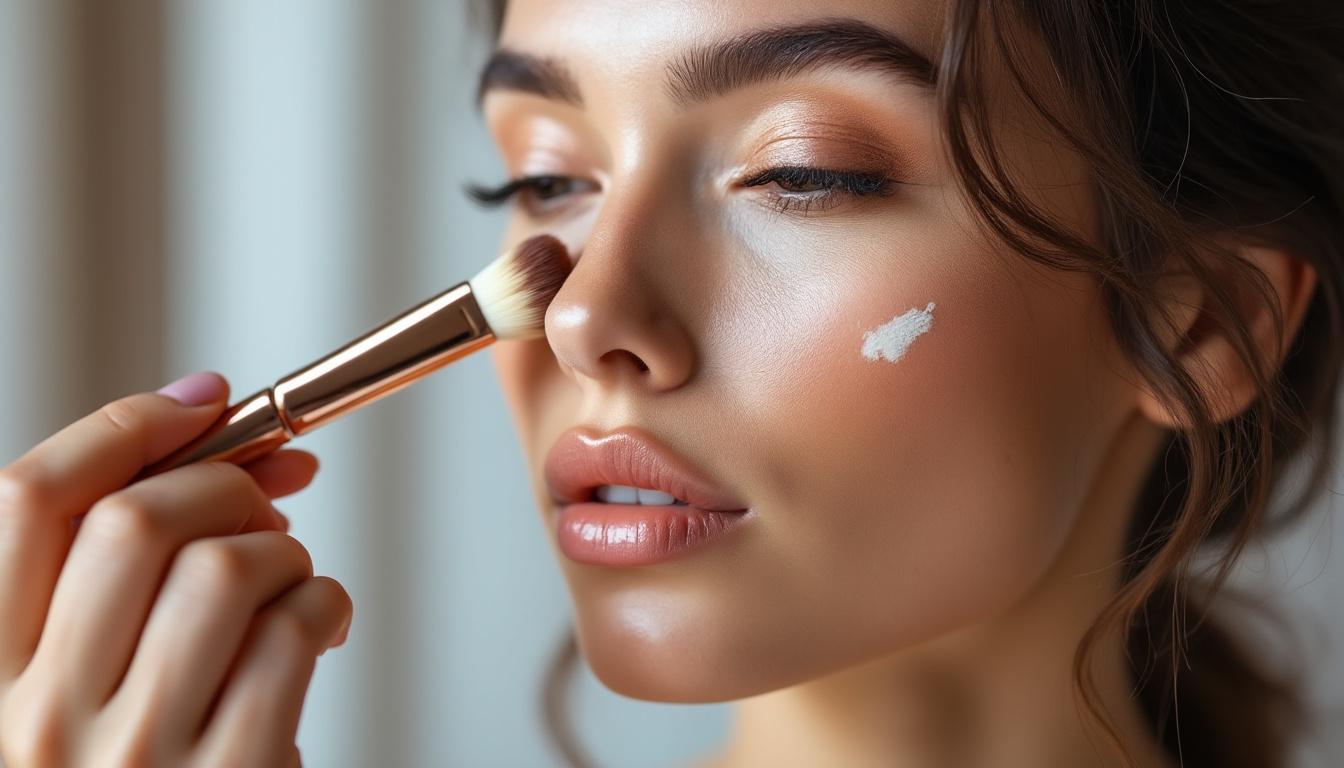
Even the best cosmetic primer requires proper application to deliver its full benefits of skin smoothing, shine control, and long-lasting makeup. Understanding how to apply primer correctly ensures the makeup base functions as intended and maximizes foundation booster effects.
The first step is ensuring the skin is thoroughly cleansed and moisturized. Primer is not a substitute for skincare but rather the finishing touch in prepping the skin. Applying primer on a hydrated canvas helps its ingredients perform optimally while smoothing the skin texture.
Using only a pea-sized amount of primer is generally sufficient. Start by dotting the primer across key areas of the face prone to texture or oiliness such as the T-zone, cheeks, and chin. Using fingertips or a designated brush, gently blend the primer in outward strokes. Focus on areas where pores are enlarged or makeup tends to fade quickly. Overapplication can cause piling or uneven makeup application, so less is more.
Allow the primer to set at least 1–2 minutes before applying foundation or other makeup products. This setting phase lets the primer create its smoothing film and ensures a stronger makeup grip. Some primers, especially mattifying types, may benefit from a light powder finish before foundation for enhanced shine control and pore minimizing effects.
For makeup wearers who want additional hold or specific finishes, layering primers is also an option—such as applying a hydrating primer first and a mattifying primer on top of oily zones. This technique provides customized skin prep that supports makeup application and durability throughout the day.
Common mistakes to avoid during primer application include:
- Using too much primer, which can make makeup slide or crease.
- Skipping moisturizer or skin prep, leading to patchy makeup.
- Applying primer unevenly, leading to texture inconsistencies.
- Not letting the primer dry before foundation, reducing its effectiveness.
Mastering these methods transforms primer from a simple product into a vital step that elevates makeup finish and longevity. For tips on how to find the perfect cosmetic company for your beauty essentials, explore this guide on locating the best cosmetic company store near you to complement your primer and makeup collections.
How Cosmetic Primers Address Specific Skin Concerns for Flawless Makeup Results
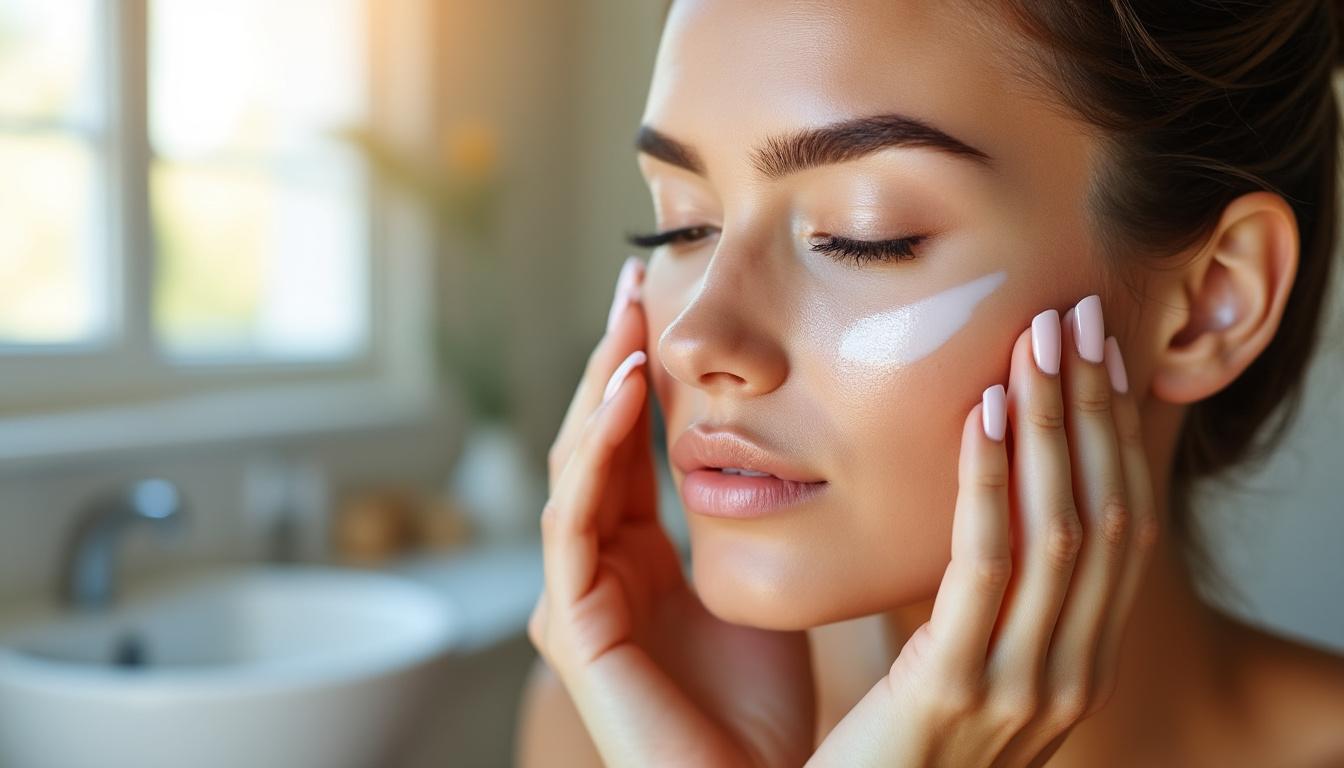
Makeup primers today are formulated not just for makeup enhancement but also to target individual skin concerns, combining cosmetic and skincare benefits in one product. Whether managing redness, uneven tone, sensitivity, or signs of aging, a well-chosen primer elevates both the comfort and appearance of makeup.
For example, color-correcting primers use subtle green, lavender, or peach undertones to neutralize redness, sallowness, or dullness respectively. These tinted makeup bases prime the skin while preemptively balancing complexion issues, delivering a more harmonious foundation application and natural finish.
Those struggling with visible pores often find pore minimizing primers transformative. These formulations contain mattifying agents and silicones that fill and blur enlarged pores, reducing their visibility. The result is a smoother, more even skin texture that enhances the foundation’s coverage without caking.
Primers addressing oily skin incorporate ingredients for shine control that prevent makeup breakdown caused by excess sebum. This creates a matte finish that lasts hours, making cosmetic primer a crucial step in high humidity or long wear situations.
Aging skin benefits from primers with light-diffusing pigments and hydrating compounds to soften the appearance of fine lines and wrinkles. These primers add a natural radiance and volume that refines skin texture and prevents foundation from settling into creases.
To further appreciate how primers blend science and artistry, watching professionals discuss primer benefits gives real-world perspective and inspiration. For example:
- Neutralizing discoloration and redness for even foundation base
- Creating a smooth texture to prevent makeup from emphasizing pores or lines
- Extending makeup wear in varying environmental conditions by controlling shine
- Enhancing the overall finish for a natural, radiant complexion
By selecting primers that accommodate your skin concerns, makeup application becomes not only flawless but also comfortable and skin-friendly. This dual focus encourages consistent use and optimizes makeup enhancement daily.
Innovations and Trends in Cosmetic Primers: 2026 Perspectives on Makeup Base Technology
The beauty industry continuously evolves, with cosmetic primer technology advancing rapidly to meet consumer demands for multifunctional, skin-benefiting makeup bases. In 2026, primers showcase innovations that improve the synergy between makeup and skincare, reflecting the ongoing fusion of these two key aspects of beauty routines.
Among the latest trends are primers infused with skincare actives such as peptides, antioxidants, and niacinamide, which promote skin barrier health while delivering makeup enhancement. These primers serve as foundation boosters that not only improve texture and longevity but also provide long-term skin improvements.
Another innovation is the rise of primers formulated for specific environmental challenges, such as pollution defense and blue light protection. These primers act as shields that protect skin from external aggressors while maintaining makeup integrity. The inclusion of tinted sunscreens within primer formulas reflects the dual priorities of sun protection and makeup prep, as outlined in expert reviews like benefits of tinted sunscreen.
Technological advancements also address user experience, with primers now offering textures that feel weightless and breathable, catering to the growing demand for natural, skin-like finishes. Hybrid formulas that combine pore minimizing effects with hydration and radiance enhancement are particularly popular, allowing for customized makeup bases suitable for multi-dimensional skin concerns.
As makeup trends emphasize fresh, dewy complexions and extended wear, cosmetic primers are evolving from simple skin smoothing agents to powerful tools that optimize the entire makeup workflow. Upcoming product launches promise even more sophisticated formulations that blend innovation with sustainability, meeting the expectations of the modern beauty consumer.
For enthusiasts interested in exploring new products and discovering current trends in the cosmetics industry, the latest cosmetics fashion fairs provide invaluable insights and expose the future direction of primer technology.