
Achieving a radiant, flawless smile is a goal many aspire to, given its powerful role in enhancing self-confidence and social interactions. Yet, issues such as tooth discoloration, chips, gaps, or misalignment often hinder this ambition. Dental veneers have emerged as a sought-after cosmetic dentistry solution, promising transformation without excessive invasiveness. Understanding what to expect from your cosmetic dentist throughout the veneer journey—from the initial dental consultation to the final bonding process—equips patients to approach this procedure with clarity and confidence.
Dental veneers are thin, precisely crafted shells designed to adhere to the front surface of teeth, optimizing their aesthetics by correcting imperfections such as worn enamel and minor alignment issues. This treatment not only enhances appearance but also delivers durable results lasting over a decade with proper care. Comprehensive knowledge about the veneer process allows individuals to make empowered decisions tailored to their unique oral health and beauty goals.
What a Dental Consultation Entails: Setting the Foundation for Your Veneer Journey
Engaging with a cosmetic dentist starts with a thorough dental consultation, which serves as the cornerstone for a successful veneer outcome. During this visit, your dentist conducts an extensive assessment of your oral health, evaluating the condition of your teeth and gums. This evaluation includes visual examination, probing for periodontal health, and often diagnostic imaging such as X-rays or digital scans. These steps help identify any underlying issues like gum disease or decay that must be resolved prior to veneer placement to ensure long-term success.
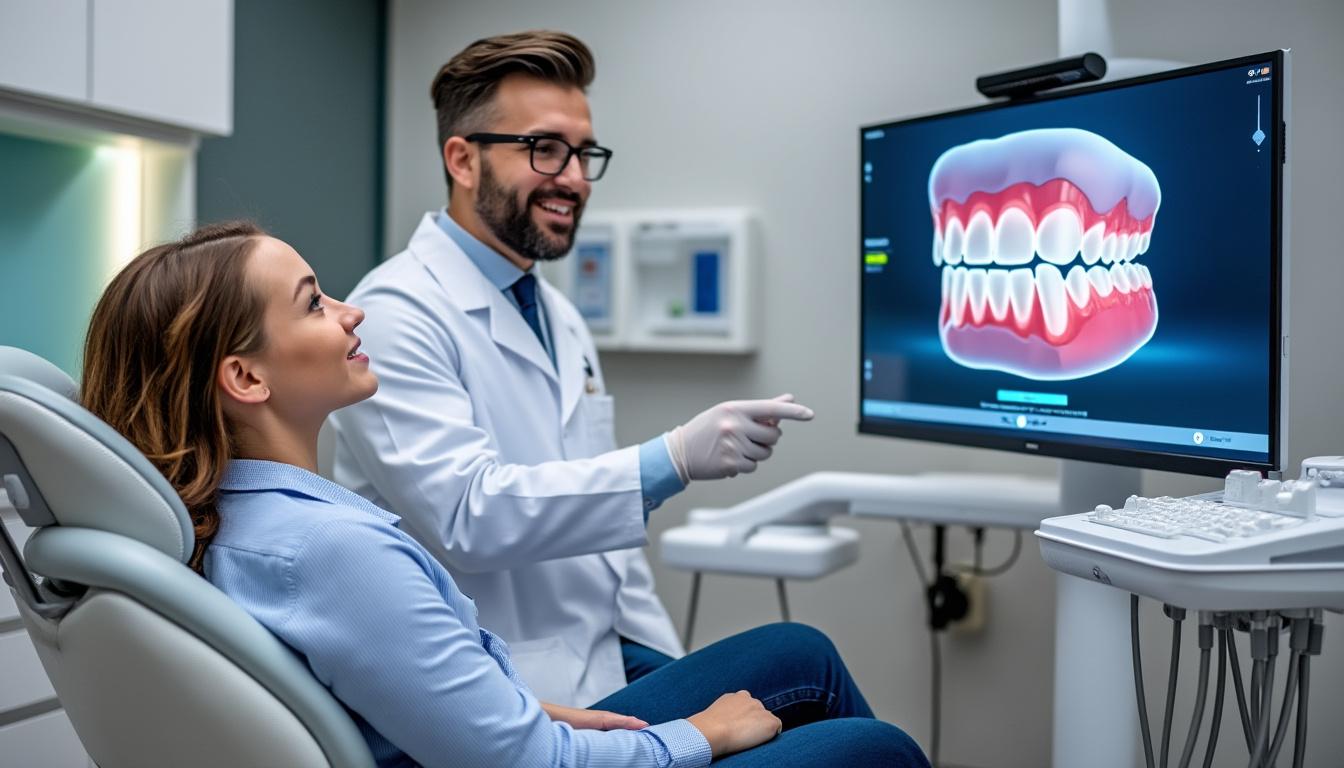
Beyond examining oral health, the dental consultation is where your aesthetic desires and expectations are discussed in detail. A collaborative dialogue helps your cosmetic dentist understand your vision for an esthetic smile, encompassing preferences about tooth color, shape, and spacing. Many advanced clinics now incorporate digital smile design technology, allowing patients to preview potential results through 3D imaging or mock-up models. This personalized approach ensures that the final veneers harmonize with your facial features and overall appearance.
Importantly, your dentist also explains the various veneer materials available, such as porcelain and composite resin, highlighting their respective advantages and durability profiles. Porcelain veneers, noted for their lifelike translucency and resistance to staining, typically last between 10 to 15 years. Composite veneers, while being more affordable and quicker to place, generally have a shorter lifespan and require more maintenance. Understanding these options enables you to make an informed choice tailored to your lifestyle and budget.
By the end of the dental consultation, you’ll receive a detailed treatment plan outlining the next steps. It will address tooth preparation, impression taking, and scheduling for veneer fabrication and placement. This comprehensive planning not only prepares you for the technical process but also helps manage expectations regarding procedure timelines and aftercare. For deeper insights, resources such as what to expect during dental veneers provide valuable perspectives on this phase of treatment.
The Technical Process of Tooth Preparation and Impression Taking
The preparation phase is a critical component of the veneer procedure, ensuring that custom veneers fit seamlessly and comfortably. Your cosmetic dentist will remove a minimal layer of enamel—usually about 0.3 to 0.7 millimeters—from the tooth surface. This conservative reduction prevents the veneers from adding bulk and maintains proper bite alignment, a vital factor in both function and comfort.
Though the idea of enamel removal may sound intimidating, this step is generally painless due to local anesthesia and is essential for creating a smooth bonding surface. Tooth preparation also allows for precise customization of veneer thickness and contour to address your specific esthetic concerns, such as correcting minor chips or reshaping teeth.
Following preparation, your dentist proceeds with impression taking. Highly accurate molds or digital scans of the prepared teeth are captured to guide the dental laboratory in fabricating veneers tailored exactly to your mouth. Digital technology has revolutionized this step, providing greater precision and reducing turnaround time. Some practices employ intraoral scanners that create 3D images instantly, replacing traditional molds that can be uncomfortable.
While the permanent, custom veneers are fabricated—typically over one to two weeks—you may receive temporary veneers. These provisional covers protect the prepared teeth and allow you to maintain normal aesthetics and function. Temporary veneers are designed for short-term use and help you acclimate to the feel of having veneers.
This phase demands attentive care and collaboration between you and your cosmetic dentist to ensure that the impression taking and preliminary steps set the stage for an esthetic smile that looks and feels natural. For a detailed overview, consult guides on the step-by-step veneer procedure.
The Bonding Process and Immediate Aftercare: What Happens When Veneers Are Placed
The moment your custom veneers arrive marks a significant milestone. The bonding process is where precision and expertise merge to finalize your smile transformation. Your dentist begins by test-fitting each veneer to assess color match, shape, and fit, making minor adjustments to ensure alignment and comfort. Once satisfied, they will thoroughly clean and etch the tooth surfaces to promote optimal adhesive strength.
Using a strong, dental-grade resin cement, the veneers are carefully bonded to the teeth under controlled conditions. A specialized curing light activates the adhesive, securely affixing each veneer in place within minutes. This process is typically painless, with most patients experiencing only mild and temporary discomfort.
After placement, your dentist performs final polish and bite adjustments to guarantee smooth edges and proper occlusion. It is normal to notice some sensitivity to temperature changes or pressure for a few days, which generally resolves quickly. Using sensitivity toothpaste and avoiding extreme temperature foods initially can help ease this transition.
Post-treatment care is pivotal to preserve your veneers’ appearance and longevity. Although porcelain veneers resist staining far better than natural enamel, maintaining good oral hygiene is crucial. Daily brushing and flossing, avoiding chewing on hard objects, and limiting consumption of staining agents like coffee or red wine are recommended. Additionally, if you have a habit of grinding your teeth, wearing a custom nightguard protects your veneers from damage.
Routine dental follow-up appointments every six months allow your cosmetic dentist to monitor veneer integrity and address any concerns early. This systematic approach ensures that your smile remains vibrant and functional for years to come. To learn more about maintaining your new smile, browse insights on cosmetic dental bonding care.

Long-Term Expectations: Longevity, Maintenance, and Common Patient Experiences
One of the primary reasons veneers enjoy widespread popularity in cosmetic dentistry is their potential for long-lasting esthetic improvement. Porcelain veneers can endure for 10 to 15 years or more, provided patients adhere to recommended care protocols. However, several factors influence the lifespan and performance of your veneers, including your oral hygiene, lifestyle habits, and the quality of the materials used.
Regular brushing and flossing are non-negotiable habits to prevent gum disease and decay around veneer margins. Many patients find it beneficial to incorporate fluoride toothpaste and mouth rinses to strengthen teeth. Furthermore, avoiding hard food items such as ice cubes, nuts, and pens protects veneers from chipping or cracking.
Cosmetic dentists often emphasize the importance of wearing nightguards if you grind or clench your teeth, as excessive force can undermine veneer durability. It’s also wise to monitor habits that could stain veneers; even though high-quality porcelain is stain-resistant, composite veneers can discolor over time and may require polishing or replacement sooner.
Psychologically, many patients report boosts in self-esteem and social confidence after veneers restore their smile aesthetics. Many describe being more comfortable smiling in photographs and engaging socially, with the veneer procedure acting as a life-enhancing experience rather than merely a cosmetic fix.
Despite their robustness, veneers are not invincible. If damage occurs, veneers can usually be repaired or replaced, but the initial enamel preparation means the process remains irreversible, mandating a commitment to ongoing care. For a balanced perspective on the advantages and potential considerations of veneers, visit reliable reviews like pros and cons of veneers.
| Aspect | Porcelain Veneers | Composite Veneers |
|---|---|---|
| Durability | 10-15 years | 5-7 years |
| Stain Resistance | High | Lower |
| Cost per Tooth | $900 – $2,500 | $250 – $1,500 |
| Procedure Time | Multiple visits over 2-3 weeks | Usually single visit |
| Aesthetic Quality | Very Natural | Good but less lifelike |
Choosing Your Cosmetic Dentist: Why Expertise and Personalization Matter
The success of dental veneers heavily hinges on selecting an experienced cosmetic dentist who combines clinical knowledge with artistic skill. Veneer placement is as much about crafting a beautiful esthetic smile as it is about adhering to precise dental science. A well-chosen dentist conducts a thorough consultation, communicates clearly about the treatment plan, and manages expectations realistically throughout the process.
Patients are encouraged to research providers’ reputations, review before-and-after cases, and seek clinics equipped with modern technology such as digital scanners and 3D smile design software. Advanced technology not only improves accuracy in tooth preparation and impression taking but also enables patients to visualize potential outcomes, fostering trust and satisfaction.
Additionally, patient-centered care that prioritizes comfort, follow-up, and customization distinguishes top cosmetic dentists. Knowing you will receive attentive dental follow-up after your procedure to monitor veneer health and fit can significantly boost peace of mind.
For a comprehensive view on the selection process and what to expect from your cosmetic dental experience, explore valuable insights at the process of getting dental veneers and the veneer experience before, during and after treatment.
Additional Practical Tips: Enhancing Outcomes and Avoiding Common Mistakes
- Maintain Oral Hygiene: Consistent brushing and flossing prevent plaque buildup and gum inflammation around veneers.
- Manage Expectations: Understand that veneers improve but do not create perfection; realistic goals lead to satisfaction.
- Avoid Hard or Sticky Foods: These can weaken the bonding or chip veneers prematurely.
- Use Protective Gear: Consider a nightguard if you experience bruxism to protect veneers during sleep.
- Regular Dental Checkups: Schedule routine visits every six months for professional cleaning and veneer assessment.
- Communication with Dentist: Report any discomfort or changes promptly to your cosmetic dentist for timely intervention.
Adhering to these guidelines maximizes the transformative potential of veneers and safeguards your investment in a dazzling new smile. Learning from the experiences of others and consulting expert advice, such as available at what to expect with dental veneers, can offer additional peace of mind and preparation for your journey.