
Permanent makeup cosmetic has transformed the way millions approach their daily beauty routine, offering a fusion of convenience and aesthetic enhancement that was almost unimaginable just a decade ago. This groundbreaking cosmetic procedure is no longer about heavy, artificial looks but instead celebrates subtlety, natural textures, and personalized refinement. Today, permanent makeup delivers soft lip pigmentation, finely defined eyebrow tattoos, and flawless eyeliner tattoos that enhance natural features and simplify everyday grooming. As demand grows, so does the need to understand the intricate details behind these beauty treatments — from the technology used, pigment choices, to the care required post-procedure.
Emerging as a popular solution for those seeking long-lasting results without the hassle of daily application, permanent makeup cosmetic is increasingly favored for its ability to provide consistency, especially for people with specific skin concerns or time constraints. However, success in this cosmetic procedure depends heavily on expertise and customization, which is why professional certification and experience make all the difference. Whether you are considering microblading for lush eyebrows or lip pigmentation for enhanced color, grasping the principles behind semi-permanent makeup ensures informed decisions and satisfaction with the outcome.
While the terminology “permanent makeup” suggests an everlasting effect, modern cosmetic tattooing practices are designed to provide long-lasting yet gradually fading results, complimenting the natural aging process and enabling adjustments over time. This adaptability allows each individual to maintain a look that evolves with them rather than remaining fixed or artificial. In understanding these subtleties, potential clients can approach cosmetic tattooing with realistic expectations and a clearer view of the advantages, limitations, and bespoke nature of the treatments, backed by the latest insights from industry experts.
The allure of waking up with a polished, makeup-ready appearance is undeniably strong, but attaining this requires careful consideration of factors such as skin type compatibility, pigment placement, and procedural safety. As burgeoning technologies deepen the intersection of cosmetic artistry and dermatology, the promise of permanent makeup as both a beauty booster and a confidence enhancer grows more promising. This detailed exploration will guide you through essential knowledge points about permanent makeup, from the latest techniques to the careful balance of science and artistry involved.
By unveiling critical aspects such as longevity, skin interaction, personalization of pigment, and the broader applications beyond facial enhancement, this article aims to equip readers with a comprehensive understanding that transcends surface-level trends. Delving into the different treatment types, pain management strategies, health precautions, and financial considerations, it navigates the pathway to a permanent makeup cosmetic experience that is gratifying, secure, and elegantly tailored.
In brief:
- Permanent makeup offers a semi-permanent solution for enhancing natural features like eyebrows, lips, and eyes with subtle, lasting effects.
- The term “permanent” is a misnomer; results typically last from 1.5 to 5 years depending on the procedure.
- Skin type influences pigment retention and technique choice, making personalized treatment critical.
- Qualified professionals use advanced pigment technology and face mapping to achieve natural, flattering outcomes.
- Permanent makeup also supports restorative needs, such as scar camouflage and areola reconstruction.
- Proper aftercare and realistic expectations are essential to maximize results and minimize risks.
- Costs vary widely based on treatment, expertise, and location, but investment often reflects skill and quality.
- Removal options exist but optimal results depend on choosing reputable, certified artists from the start.
The Science Behind Permanent Makeup: What Makes It Semi-Permanent?
Despite being labeled “permanent,” the reality of permanent makeup is nuanced. The pigments implanted into the skin are designed specifically to be long-lasting yet gradually fade. This fade is intentional and crucial to ensure your look can mature alongside your natural features and changing beauty preferences. Unlike traditional tattoos which use ink that can blur or shift, cosmetic tattooing employs advanced pigments formulated to break down predictably over time.
On average, eyebrow tattoos might last between 12 and 24 months before requiring a touch-up. Eyeliner tattoos tend to enjoy the longest duration, often up to five years, while lip pigmentation treatments generally last 2 to 3 years depending on the pigment used and individual skin characteristics. As the pigment fades, it softens in color and intensity, preventing any harsh or unnatural appearance. The fading process is similar to how certain semi-permanent makeup techniques such as microblading behave, distinguishing themselves from classic permanent tattoos.
Understanding the composition and behavior of these pigments is key to appreciating the procedure’s flexibility. Pigments are made to complement skin undertones and avoid the green or blue discoloration historically associated with older tattoo inks. Each pigment is carefully chosen to blend naturally, making enhancements subtle rather than obvious. This subtlety contributes to a “woke up like this” natural effect that clients increasingly seek.
Touch-up sessions are a critical component of permanent makeup, performed weeks after the initial treatment to perfect pigment retention and design. These follow-up appointments minimize patchiness and enhance the longevity of the result, further emphasizing how this beauty treatment is a semi-permanent investment rather than a one-and-done solution.
The evolving science behind permanent makeup ensures that what once felt like a gamble now offers a safe, customizable, and aesthetically refined cosmetic procedure. For those eager to explore further, detailed information can be found on expert platforms such as insights into permanent makeup longevity and safety.
Tailoring Permanent Makeup to Your Skin Type: Essential Considerations
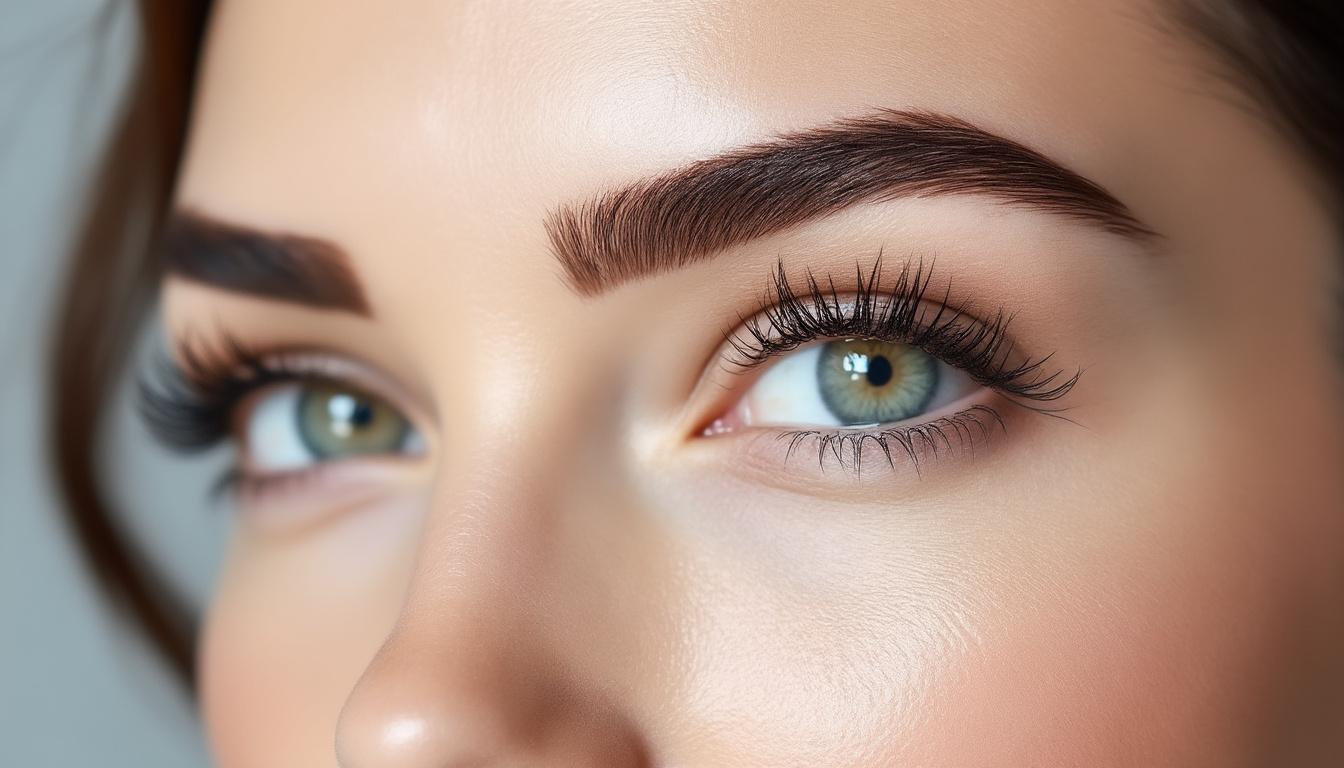
One of the biggest challenges in permanent makeup cosmetic is respecting the unique nature of each individual’s skin. Skin types differ widely — oily, dry, mature, or sensitive skin all respond differently to cosmetic tattooing, affecting both pigment retention and healing outcomes. This fact underlines why there is no universal technique in permanent makeup, and why customization is indispensable.
For example, individuals with oily skin often notice that microbladed strokes blur due to excess sebum, making powder or shaded brows a more appropriate choice. Conversely, dry skin may initially resist pigment, requiring additional sessions for optimal color placement. Mature skin, which tends to be thinner and more fragile, benefits from gentler digital machine methods that reduce trauma while ensuring pigment implantation.
Choosing the right method — whether manual microblading, machine-based nano brows, or powder brows — depends heavily on expert analysis of the client’s skin characteristics and lifestyle. The artist’s knowledge of skin behavior, combined with face mapping techniques that respect one’s bone structure and natural symmetry, results in a look that genuinely enhances natural beauty.
These complexities explain why reputable permanent makeup artists always schedule a retouch appointment 4 to 12 weeks after the initial procedure. This session allows corrections to pigment placement and intensification, addressing any areas where the body’s immune system may have rejected the pigment. As Ruta Beauty highlights, embracing this phased approach to treatment maximizes satisfaction and ensures the cosmetic procedure feels like a natural extension of your skin.
Additionally, the personalized pigment selection process considers the client’s skin undertone and how it shifts seasonally. A pigment that appears warm in the pot might heal cooler or ashier on the skin if not carefully matched, altering the final appearance. Expert color theory application makes all the difference, allowing permanent makeup to seamlessly integrate with your complexion.
In summary, understanding that not all skin types “play nice” with every method or pigment choice empowers clients to seek tailored treatments and realistic expectations grounded in science and artistry.
Exploring the Spectrum of Permanent Makeup Treatments: From Brows to Lips
The world of permanent makeup continues to diversify, offering specialized treatments that cater to varying aesthetic desires and functional needs. Beyond the staples of eyebrow tattooing, lip pigmentation, and eyeliner tattooing, a wide range of procedures has emerged, each with its unique advantages and target effects.
Microblading, a manual tool technique, creates hair-like strokes, making brows appear fuller and more natural. Powder brows and microshading add a soft shading effect, beneficial for those who prefer a makeup-permanent look with a gentle gradient. Nano brows combine precision of microblading and machine technology, offering durability and sharpness. Each technique blends artistry with cosmetic science to maintain an enhanced yet believable finish.
Permanent eyeliner can be customized from a subtle lash line enhancement to a bold definition, saving time on daily makeup routines. Lip blush or permanent lip pigmentation improves color, shape, and volume without the daily hassle of reapplication. These approaches also provide solutions for scar camouflage and contour correction, broadening their therapeutic applications.
Below is a table summarizing common permanent makeup treatments with their characteristics, longevity, and ideal candidates.
| Treatment | Technique | Typical Longevity | Best For | Key Benefits |
|---|---|---|---|---|
| Microblading | Manual hair-stroke tattooing | 12-24 months | Normal to dry skin | Natural hair-like brow strokes |
| Powder Brows | Machine shading tattoo | 12-24 months | Oily to combination skin | Soft, filled-in brow effect |
| Nano Brows | Machine hair-stroke tattooing | 18-30 months | All skin types | Precise, durable strokes |
| Permanent Eyeliner | Machine tattooing | 3-5 years | All skin types | Time-saving eye definition |
| Lip Pigmentation | Manual or machine tattooing | 2-3 years | All skin types | Enhanced lip color and shape |
Choosing the right treatment involves weighing your goals, skin type, and lifestyle. Many beauty experts and clients have found the unconscious confidence gained from this semi-permanent beauty boost invaluable. For wider context and treatment comparisons, platforms like The Ultimate Guide to Permanent Makeup offer comprehensive insights.
Health and Safety in Permanent Makeup Cosmetic Procedures
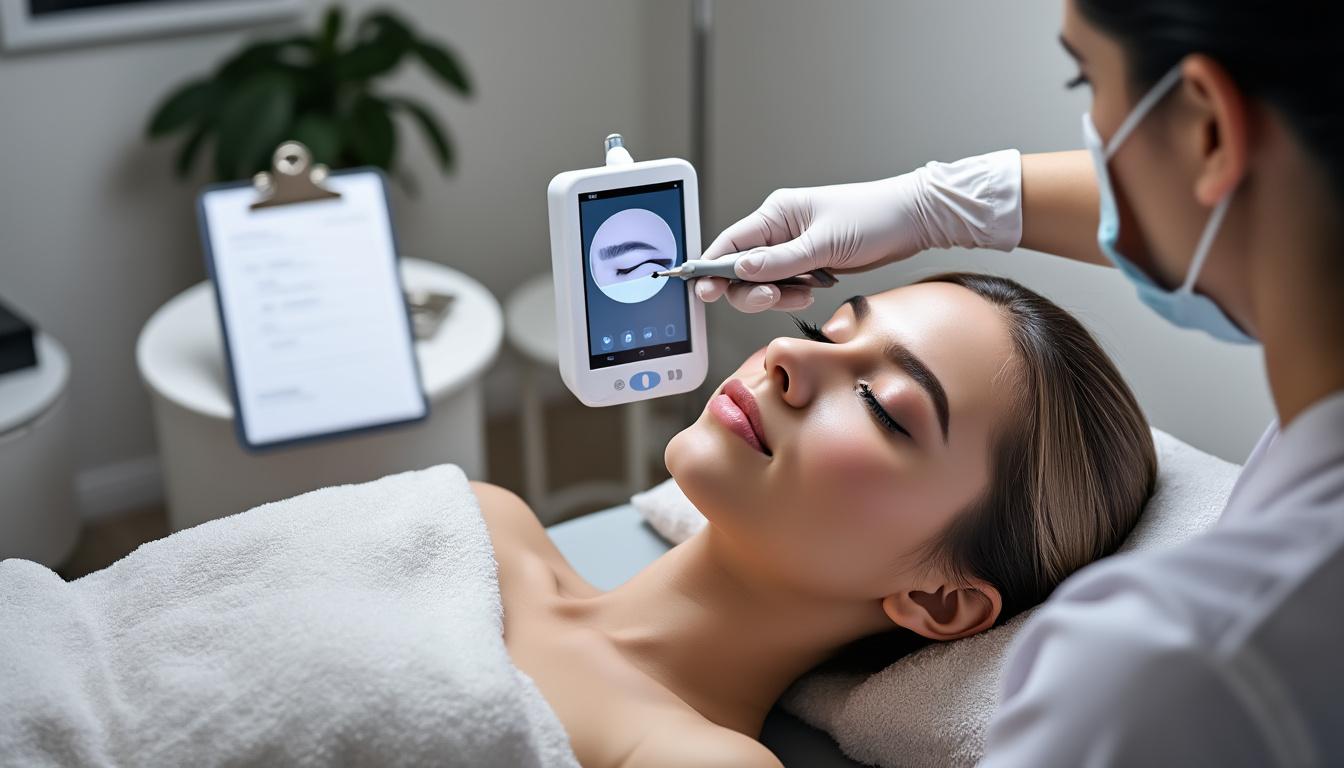
Given that permanent makeup involves cosmetic tattooing—essentially implanting pigment under the skin—health and safety remain paramount. An understanding of the risks, proper aftercare, and choosing a reputable practitioner can dramatically sway the experience and outcome.
Before any cosmetic procedure, thorough consultation is critical. Clients with conditions like bleeding disorders, viral infections, or skin conditions near the treatment area should avoid permanent makeup unless cleared by a medical professional. Pregnant or breastfeeding women are generally advised to wait. Likewise, those on blood thinners or undergoing chemotherapy face increased risk.
During the procedure, hygienic practices such as single-use needles, sterile equipment, and clean environments must be strictly observed to prevent infection. Post-treatment, clients should avoid makeup on treated areas during healing, refrain from sun exposure, and follow their artist’s aftercare recommendations closely to ensure optimal pigment retention and skin recovery.
Most clinics utilize numbing solutions to minimize discomfort, with clients reporting mild to moderate sensations rather than pain. Despite its semi-invasive nature, many find the procedure tolerable, contributing to its increasing popularity. Allergic reactions are rare, largely contingent on prior patch testing for pigment sensitivity.
Permanent makeup is not only a beauty treatment but can serve restorative and therapeutic roles including scar camouflage, vitiligo disguise, and areola pigmentation post-mastectomy. This dual benefit enhances the value and appeal of cosmetic tattooing. To ensure comprehensive safety, the significance of choosing certified and experienced permanent makeup artists cannot be overstated. Malpractice or inexperience can lead to poor results or complications.
For guidance on safety protocols and artist selection, readers might explore additional expert voices such as Marie Claire’s detailed permanent makeup safety coverage.
Cost, Maintenance, and Removal: What to Expect Financially and Practically
Investing in permanent makeup cosmetic treatments involves weighing the upfront cost against ongoing benefits and potential maintenance. Prices can vary widely based on geographic location, type of treatment, and the skill level of the practitioner.
To provide perspective, eyebrow tattoo treatments such as microblading or powder brows generally range between $250 to $2,000. The average in the U.S. is around $600, but prestigious salons or highly experienced artists command higher fees due to skill, safety, and reputation. Lip pigmentation treatments generally hover around $590, while eyeliner tattoos average about $500.
More specialized procedures such as scalp micropigmentation for hair loss can reach prices around $3,000, reflecting their complexity and therapeutic nature. Areola restoration, which is highly specialized, costs approximately $400 per nipple, underscoring permanent makeup’s broader applications beyond aesthetic enhancement.
These treatments are considered semi-permanent, and clients should expect the need for color refreshers every 1-3 years, depending on the procedure and personal skin characteristics. Knowing that pigments fade gradually means you have the option to redefine your look or let it soften naturally as trends or preferences change.
Removing permanent makeup is possible but more complex than simply letting it fade. Removal options include laser treatments, saline solutions, or dermabrasion, each with pros and cons. Due to the semi-permanent nature of cosmetic tattooing, removal is less invasive than with traditional tattoos but still requires expert handling to avoid scarring or discoloration.
Ultimately, prudent selection of a professional with transparent pricing and consultative service will ensure that the investment in permanent makeup delivers both aesthetic satisfaction and peace of mind. For readers considering this beauty procedure, in-depth cost analyses and practical tips are available at trusted resources like ClaraBrows’ permanent makeup guide.