
In the evolving world of beauty and skincare, maintaining the freshness and potency of your products has become a priority for many enthusiasts. The rise of the mini fridge dedicated to skincare storage is a testament to this shift. These compact devices, often adorably designed to fit vanity spaces, serve more than just an aesthetic purpose—they optimize product efficacy, especially for formulations sensitive to temperature and light. In 2026, the beauty community continues to embrace these little appliances as practical tools rather than just trendy accessories, with experts emphasizing their role in preserving high-performance ingredients.
The decision to invest in a beauty fridge intertwines science and comfort. Refrigerating certain skincare products extends their shelf life by reducing oxidation and preserving active compounds like vitamin C, retinol, peptides, and natural extracts. Beyond preservation, the cool skincare routine enhances application experiences, soothing the skin and reducing puffiness or redness. However, understanding when and how to use a mini fridge ensures that this method contributes effectively to your regimen without unnecessary expense or space consumption.
As mini cosmetic fridges gain traction, it becomes essential to decipher their actual utility versus the allure of a beautifully organized vanity. This guide explores the many facets of these devices—from their purpose and scientific rationale to the best storage practices and product compatibility—providing you with the ultimate reference for effective skincare storage in the contemporary beauty landscape.
In brief:
- Mini fridges designed for skincare maintain ideal cool temperatures to preserve sensitive ingredients and extend product longevity.
- Not all skincare products benefit from refrigeration; understanding which ones do optimizes storage and avoids texture changes.
- Cold storage enhances the soothing effects of certain products, improving the overall efficacy and user experience.
- Choosing the right mini fridge involves balancing capacity, temperature control, noise level, and design to fit your lifestyle and space.
- Proper organization and maintenance of your beauty fridge are crucial for maximizing skincare preservation benefits.
- Mini fridges are especially valuable for natural and clean beauty users but remain optional for those with mostly stable, mainstream products.
Understanding the Role of a Mini Fridge for Skincare Storage: Scientific and Practical Perspectives
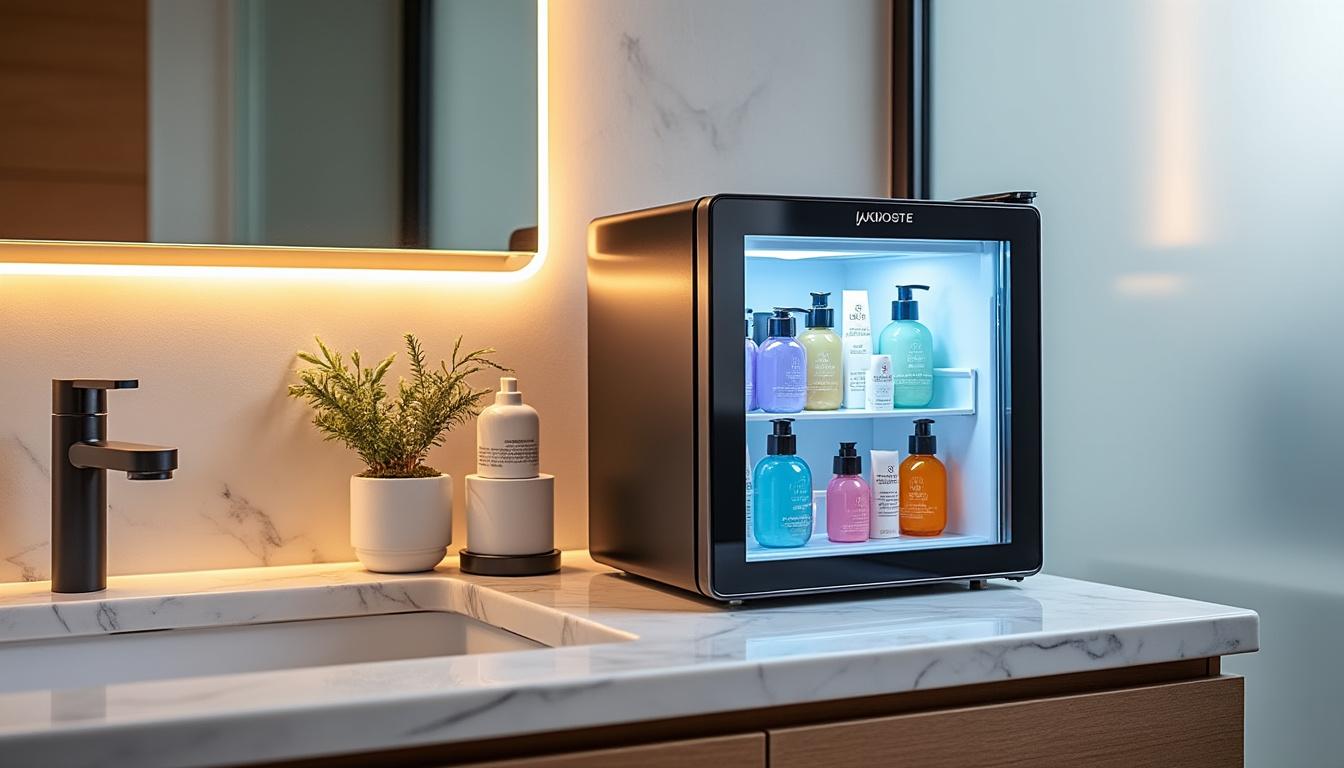
A mini fridge for skincare is not simply a vanity accessory but a scientifically-informed storage solution designed to protect the integrity of delicate products. Unlike standard household refrigerators, which operate at colder temperatures around 35-40°F, mini cosmetic fridges typically maintain slightly warmer, stable temperatures between 45-55°F (7-13°C). This temperature range has been found optimal for slowing down the degradation of sensitive skincare actives without causing adverse effects like product solidification or texture changes.
Temperature control is fundamental because many active ingredients—especially antioxidants like vitamin C, retinoids, peptides, and probiotics—are chemically unstable when exposed to light, heat, and air. For example, vitamin C serums degrade rapidly at room temperature, losing their potency after only a few months. A cooler environment reduces oxidation and slows the breakdown of these molecules, effectively extending the serum’s shelf life and maintaining its effectiveness. This not only preserves the product you’ve invested in but also ensures you receive the full benefits during each application.
Dermatologists and skincare professionals increasingly recommend mini skincare fridges as part of an effective skincare routine, especially for individuals using active treatments prone to instability. Beyond prolonging product life, the refrigeration also enhances the sensory experience. Cooler applications reduce skin inflammation and puffiness, offering an instant calming effect that suits sensitive or reactive skin types. For instance, chilled eye creams alleviate dark circles and under-eye bags more efficiently than their room-temperature counterparts.
NBC News captures this trend by highlighting expert opinions on how these fridges contribute to maintaining product freshness and potency. Meanwhile, Bionyx Skincare discusses the growing popularity and the scientific basis for choosing a mini fridge as part of personal skincare preservation strategies. Their advice consistently points to the importance of temperature-controlled skincare storage to support long-term skin health.
How Temperature Impacts Skincare Ingredient Stability and Product Freshness
The chemistry behind skincare product stability reveals why refrigeration matters. Active ingredients embedded in serums, creams, and oils are sensitive to their environment, with heat accelerating molecules’ breakdown and loss of efficacy. For instance, studies have shown that oxidizing agents like vitamin C lose potency significantly faster when left at ambient room temperatures, especially in warmer climates or during summer months.
Retinoids, another common component in anti-aging skincare, undergo isomerization and oxidation processes that drastically diminish their effectiveness when improperly stored. Keeping these products chilled in a mini fridge helps retain their molecular structure and biological activity, ensuring treatments aimed at increasing collagen production and cell turnover remain potent. Peptides and botanical extracts also benefit from refrigeration, as cool conditions prevent protein denaturation and preserve antioxidant properties.
It’s important to recognize that not every skincare product thrives in a cold environment. Oil-based products can solidify and lose their smooth texture if refrigerated, while clay masks may become too dense and difficult to apply. Therefore, an understanding of product formulation is essential—storing only those products sensitive to heat or light in a mini fridge maximizes preservation without compromising texture or application.
The following table outlines common skincare ingredients and their ideal storage recommendations to help visualize which enjoy the beauty fridge benefits the most:
| Ingredient/ Product Type | Effect of Refrigeration | Recommended Storage |
|---|---|---|
| Vitamin C Serums | Slows oxidation, extends potency | Mini fridge (45-55°F) |
| Retinoids (Retinol, Retinaldehyde) | Prevents isomerization, maintains efficacy | Mini fridge |
| Peptides & Proteins | Prevents denaturation, supports anti-aging functions | Mini fridge |
| Botanical Extracts (Green Tea, Rosehip Oil) | Preserves antioxidants and vitamins | Mini fridge |
| Oil-Based Products | Texture may solidify, less smooth | Room temperature |
| Clay Masks | Becomes too thick, hard to apply | Room temperature |
To minimize product degradation and maximize the value of your skincare routine, keeping your product collection in a temperature-controlled skincare environment like a mini fridge is an excellent choice, especially in areas with warm ambient temperatures or if you own sensitive, pricier formulas. Ultimately, this creates a synergy of product longevity and consistent performance over time.
Which Skincare Products Should You Prioritize for Mini Fridge Usage?
Knowing which products to store in a mini fridge is equally as critical as investing in one. Not all skincare items require refrigeration, but prioritizing temperature-sensitive formulations ensures you maximize both skincare preservation tips and overall routine effectiveness.
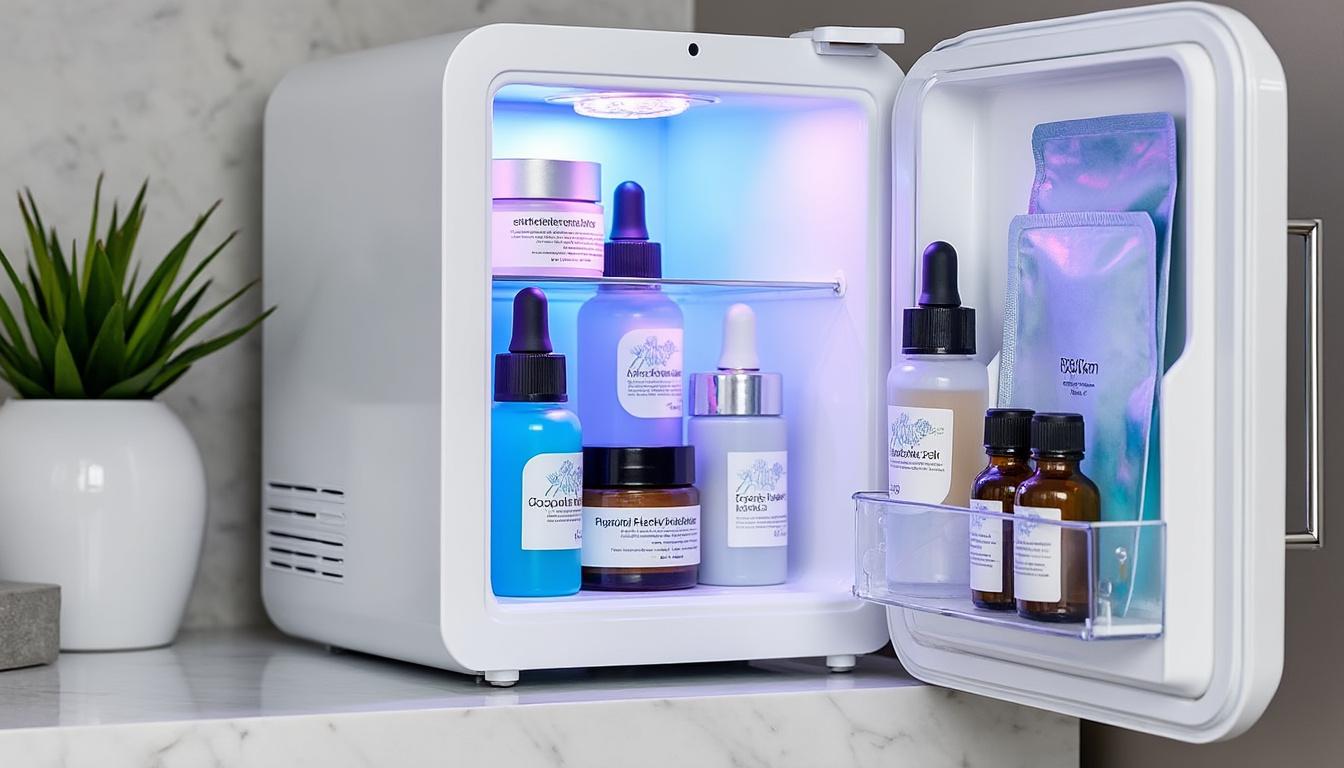
- Vitamin C Serums and Treatments: Highly prone to degradation, these potent antioxidants benefit enormously from cold storage, effectively doubling their shelf life compared to room temperature.
- Retinoid Products: Including retinol and prescription-strength formulas, these essential anti-aging treatments maintain molecular stability and potency when chilled.
- Eye Creams and Cooling Eye Gels: Chilled application reduces puffiness and dark circles while preserving delicate formulas.
- Sheet Masks, Gel Masks, and Under-Eye Patches: Offering a refreshing sensation that enhances their soothing and hydrating effects.
- Peptide Serums and Creams: Anti-aging formulations containing peptides and growth factors last longer and remain effective with refrigeration.
- Natural Oils and Botanical Extracts: Some oils with high antioxidant content, like rosehip and jojoba, benefit from cool storage to preserve their nutrients.
Products generally best kept at room temperature include:
- Oil-based skincare that may solidify or become thick in the cold
- Most makeup and cream-based moisturizers, which can change texture
- Clay or mud masks that harden and lose spreadability
Having a curated selection in your mini fridge dedicated to temperature-sensitive products makes your skincare storage both smart and efficient. This targeted approach minimizes wasted space and makes product rotation simple and organized.
Many brands and retailers emphasize this differentiation in their product storage guidance. For a nuanced overview of which products truly benefit from refrigeration, explore expert recommendations on what to put in your mini skincare fridge. Additionally, Fridge.com provides practical advice on mini fridge usage and skincare organization to help novices make informed choices.
Tips for Effective Mini Fridge Usage and Skincare Preservation
Owning a mini fridge is the first step, but using it effectively ensures you leverage its full potential to preserve skincare products. From temperature settings to organisation, these skincare preservation tips optimize your beauty fridge benefits.
1. Maintain Ideal Temperature Between 45-55°F
Monitor the fridge’s temperature regularly using built-in digital displays or external thermometers. Temperatures lower than 45°F risk altering product textures, while anything over 55°F diminishes preservation effects. Adjust settings accordingly for consistent results.
2. Organize by Product Type and Usage Frequency
Arrange daily-use items in easy reach and specialty treatments towards the back. Use labels or transparent containers for quick identification, preventing forgotten products and helping track expiration dates.
3. Ensure Containers Are Properly Sealed
Prevent moisture and contamination by tightly closing all lids and caps. This reduces the risk of condensation inside the fridge that could compromise product quality.
4. Implement Regular Cleaning and Maintenance
Clean the interior monthly with a soft cloth and mild cleaner to avoid bacterial growth. Check door seals regularly to maintain airtight conditions, critical for temperature controlled skincare.
5. Rotate Products to Avoid Expiry
Label new products with purchase dates and use older items first. Rotate your products regularly to benefit fully from their active ingredients.
6. Allow Products to Acclimate Before Application
Remove products from the fridge a few minutes before use to let them warm slightly. This avoids shocking your skin with overly cold formulas, which could disrupt absorption or irritate sensitive skin.
7. Consider Alternatives if Space or Budget Limits You
If a dedicated mini fridge isn’t an option, use your kitchen refrigerator for occasional storage of high-value serums. To avoid contamination, store products in sealed containers and clearly mark them as skincare only. Alternatively, store tools like jade rollers and gua sha stones in cooler drawers or the fridge for an enhanced soothing effect.
Practicing these tips maximizes your mini fridge usage, ensuring your skincare routine remains both refreshing and efficient. Understanding these techniques empowers you to get the most from your beauty fridge investment without unnecessary waste or inconvenience.