In 2026, Neutrogena, a trusted name in skincare, faced a significant challenge with its Makeup Remover Ultra-Soft Cleansing Towelettes. This widely used product was voluntarily recalled due to concerns about bacterial contamination, raising alarms about product safety and consumer health risks. The move, initially reported by the U.S. Food and Drug Administration (FDA), underscored the imperative of vigilance in the beauty industry where even the most beloved products can unexpectedly become defective. The recall has forced consumers, retailers, and industry watchers to reassess their approach to makeup removers, spotlighting best practices in product usage, recall response, and the search for safer alternatives.
The recall affected over one thousand cases distributed in southern U.S. states including Texas, South Carolina, Georgia, and Florida. The contamination involved Pluralibacter gergoviae, a bacterium resistant to many preservatives and associated with infections in rare cases. This event has highlighted the delicate balance between convenience and safety in skincare and the continuing importance of rigorous quality controls. With this consumer alert, many makeup users are questioning the safety of disposable wipes and looking toward more reliable makeup removing options.
For those who have Neutrogena wipes, confusion remains about identifying recalled products and understanding potential health implications. Meanwhile, industry experts and dermatologists offer clarity on how to proceed, emphasizing safe disposal, alternative removers, and where to find recall updates. This article explores the details behind this product recall, the nature of the contamination, and essential tips on makeup removal in light of this health advisory.
Key points about the Neutrogena makeup remover recall:
- Neutrogena Makeup Remover Ultra-Soft Cleansing Towelettes recalled for bacterial contamination.
- Affected batches distributed in Texas, South Carolina, Georgia, and Florida.
- Cause: contamination with Pluralibacter gergoviae, a bacteria that can cause infections in vulnerable individuals.
- Recall classified as FDA Class II, indicating moderate risk.
- Consumers urged to check lot numbers and dispose of affected products.
- Alternative makeup removers recommended by experts for safe use.
Understanding the Neutrogena Makeup Remover Recall and Health Risk Implications
The recall of Neutrogena’s Makeup Remover Ultra-Soft Cleansing Towelettes came after an internal investigation by Kenvue Brands LLC detected Pluralibacter gergoviae contamination in certain cases. This bacterium, although uncommon, poses enough concern for public health officials to classify the recall as a Class II FDA alert. This level indicates that while severe health outcomes are unlikely, exposure could cause temporary or reversible health problems, especially in those with weakened immune systems.
Pluralibacter gergoviae is noted for its ability to resist many conventional preservatives used in cosmetics, making contamination control especially challenging for water-based products. Because Neutrogena’s wipes list water as their first ingredient, these products are more susceptible to bacterial growth than those formulated with less aqueous bases.
Most consumers exposed to the recalled wipes may experience mild symptoms or none at all. However, those with compromised immunity or pre-existing respiratory or urinary conditions could face respiratory distress or infections. The bacteria, typically found in water, has been linked in medical literature to various infections, albeit rarely. Hence, health professionals stress caution in using any product displaying contamination signs.
Users can identify affected products by checking the lot number printed subtly on the packaging. The specific lot number involved in the recall is 1835U6325A, pertaining exclusively to the 50-count, 25-pack wipes distributed in selected southern states.
As detailed by Prevention magazine’s report, the recall represents a vital moment for consumers to revisit their personal care product safety habits, especially in light of ongoing contamination risks. The Neutrogena situation is a clear reminder that even well-established brands can face setbacks in ensuring defect-free products.
How to Check If Your Neutrogena Makeup Remover Wipes Are Part of the Recall
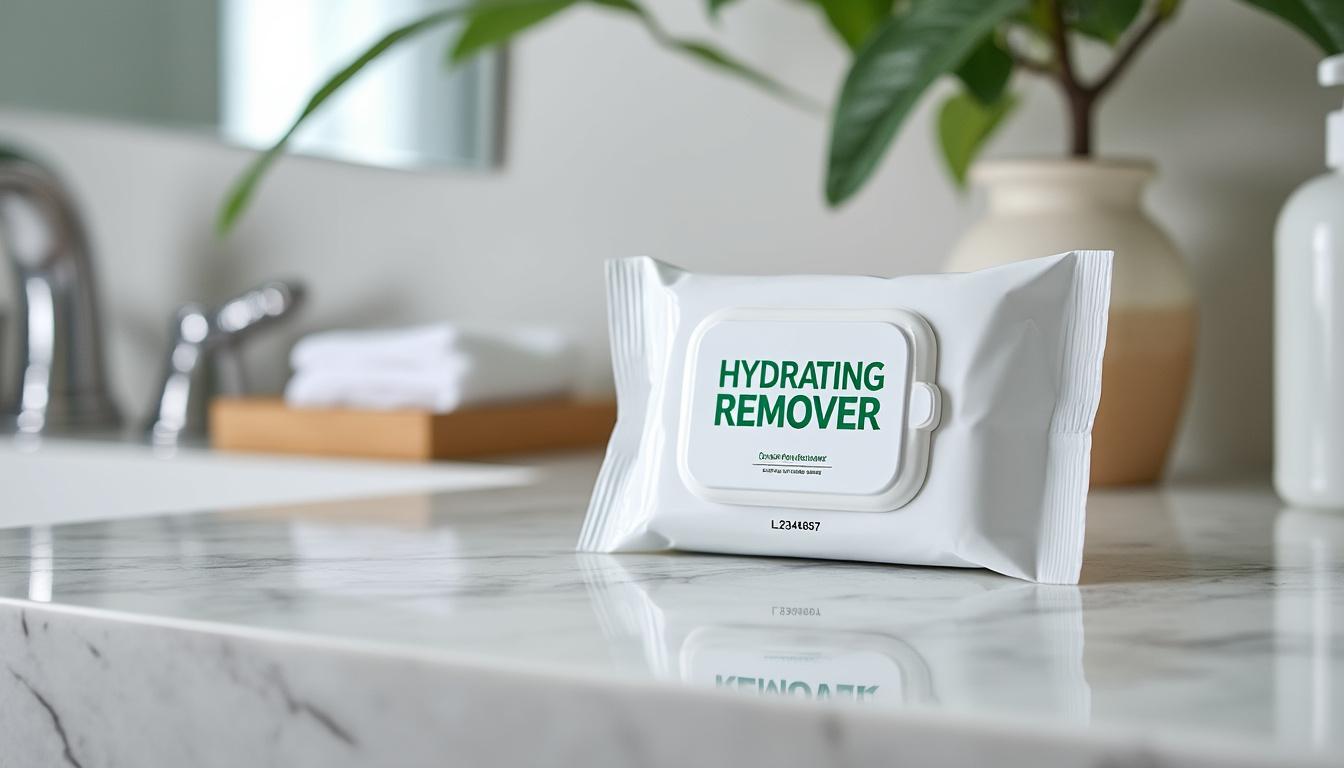
Understanding whether you hold a defective product is essential for your wellbeing and peace of mind. The FDA advises consumers to locate the lot number on their individual wipe pouches, printed in a discreet grey font on the back. Only wipes carrying the lot number 1835U6325A fall under the recall.
The recalled stock was distributed primarily in four states: Texas, South Carolina, Georgia, and Florida, starting in late September 2025. While the geographic spread is limited, experts recommend caution regardless of location, as leftover products can circulate through secondary sales or gifts.
For verification, many media outlets and consumer-focused sites provide step-by-step guides on how to identify the affected makeup remover wipes. This includes visual cues and packaging details that help differentiate recalled products from unaffected inventory. The recall notice from MSN Health offers an accessible breakdown for consumers with helpful illustrations and instructions, simplifying the process.
Once identified as part of the recall, consumers should immediately stop using the wipes and follow proper disposal recommendations to avoid accidental exposure. Neutrogena has also updated their return policy during this recall period, encouraging customers to return recalled items to the point of purchase for full refunds, reaffirming their commitment to product safety and consumer trust.
Checking your makeup remover wipes carefully and adhering to the return policy ensures not only personal health safety but also contributes to the broader effort to remove contaminated products from circulation effectively. Awareness and prompt action make all the difference in mitigating health risks posed by defective products.
Expert Recommendations on Alternative Makeup Removers After the Recall
In light of the Neutrogena makeup remover recall, many consumers are seeking reliable and safe alternatives to maintain their skincare routines without interruption. Dermatologists and beauty editors alike emphasize selecting products with proven safety profiles and gentle yet effective cleansing properties.
One popular alternative includes the Cetaphil Gentle Makeup Removing Face Wipes, famed for their fragrance-free formula and skin-soothing ingredients like aloe vera, chamomile, and green tea botanicals. These wipes are especially suited for sensitive skin and have gained accolades for efficiently removing eye makeup without irritation.
For those preferring non-wipe options, cleansing balms such as the Versed Day Dissolve Cleansing Balm offer a luxurious experience with vitamin E and jojoba oil, dissolving makeup gently while nourishing the skin. Cleansing oils, like the Pixi EOD Cleansing Oil, harness plant-based oils such as argan and soybean to lift makeup thoroughly, ideal for dry or sensitive skin needing gentle care.
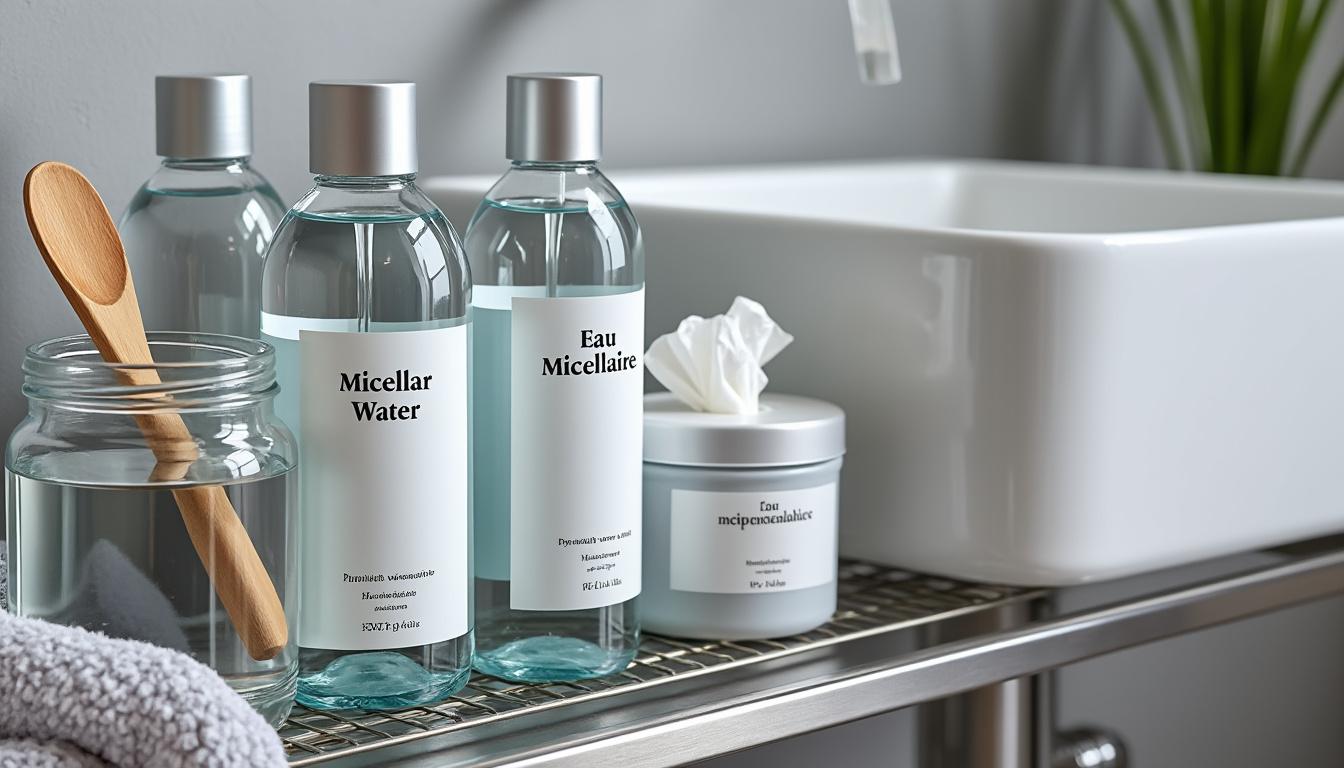
Experts also suggest micellar waters as another safe alternative. The Garnier SkinActive Micellar Water removes makeup effectively with water-based cleansing agents, offering a less abrasive and fragrance-free method. Following this with a proper cleanser ensures total removal of makeup and impurities.
Reusable options like the Makeup Eraser Pro Classic towel have also grown in popularity for eco-conscious consumers. This washable product removes makeup with just water, eliminating chemicals and reducing waste while maintaining excellent cleansing performance.
Here is a comparative table of alternative makeup removers recommended post-recall:
| Product | Key Ingredients | Skin Type | Notable Features |
|---|---|---|---|
| Cetaphil Gentle Makeup Removing Face Wipes | Aloe vera, chamomile, green tea | Sensitive | Fragrance-free, soothing, alcohol-free |
| Versed Day Dissolve Cleansing Balm | Vitamin E, jojoba oil, clove leaf oil | Normal to dry | Gentle, nourishing, non-greasy |
| Garnier SkinActive Micellar Water | Water-based micelles | All skin types | Fragrance-free, easy to use |
| Pixi EOD Cleansing Oil | Argan oil, soybean oil | Dry, mature, sensitive | Plant-based, gentle yet effective |
| Makeup Eraser Pro Classic | Water only (reusable cloth) | All skin types | Eco-friendly, reusable, cost-effective |
These options emphasize both safety and efficiency, helping to reassure consumers wary after encountering defective products in the market. Incorporating expert-backed alternatives into your routine fosters not only product safety but also skin health continuity.
Insights into Product Safety and Manufacturing Protocols Following the Recall
The Neutrogena makeup remover recall serves as a revealing case study on the complexities of maintaining high standards in product safety within the beauty industry. Manufacturing lapses, especially in water-based products, can lead to contamination with resilient bacteria like Pluralibacter gergoviae. This incident highlights how procedural deficiencies during production—no matter how minor—can ripple into significant consumer health risks.
Kenvue Brands LLC, manufacturer of the recalled wipes, has acknowledged procedural shortcomings, prompting swift voluntary action. This transparency is crucial in upholding consumer trust and sets a precedent for other brands to follow stringent quality assurance measures.
Manufacturers are therefore encouraged to enhance their microbial testing protocols, apply advanced preservative technologies, and enforce stricter hygiene standards within their production lines. With consumers increasingly aware and vocal about product safety, brands must prioritize thorough and ongoing quality control to avoid defective product releases.
For consumers interested in deeper perspectives on manufacturer reliability and the dynamics of quality assurance in skincare production, resources such as this guide on selecting trustworthy skincare manufacturers provide in-depth insights. Understanding these processes empowers consumers to better evaluate brands and products, fostering a safer beauty market.
The recall also brings forward discussions about regulatory oversight. Effective communication between companies and agencies like the FDA ensures swift product recall updates and mitigates widespread health risks. The recall’s Class II designation signals serious attention yet balanced assessment, avoiding undue panic while emphasizing caution.
In this environment, the role of consumer awareness cannot be overstated. Staying informed through credible channels, checking product lot numbers regularly, and promptly reporting adverse reactions assist regulatory bodies and manufacturers in safeguarding public health. Such vigilance plays a critical role in preventing defective products from causing significant harm.
Consumer Guidance: Navigating Product Recalls and Ensuring Skincare Safety in 2026
Managing a recall effectively is critical not only for affected brands but also for consumers who rely on these products daily. The Neutrogena recall reflects broader challenges in the beauty industry regarding contamination and defective products, underscoring the need for proactive consumer behavior and brand accountability.
Consumers are advised to routinely inspect products for recall notices and consult reliable sources for breaking news on product safety. Such vigilance aligns with smart skincare habits, prioritizing health risk reduction.
Here’s a helpful checklist for consumers to follow when faced with a product recall or concerns about cosmetic product contamination:
- Immediately stop using the product if it’s part of a recall.
- Check packaging for lot numbers and expiration dates carefully.
- Follow manufacturer instructions for return, refund, or disposal.
- Consult a healthcare professional if you experience any adverse reactions.
- Stay informed via trusted news and official recall websites.
- Consider switching to recommended safe alternatives.
By adopting these steps, consumers protect themselves from potential product-related health issues and contribute to collective safety efforts in the cosmetics community.
Additionally, remembering to thoroughly cleanse the skin after makeup removal, using gentle and non-irritating products, helps maintain skin integrity, especially in vulnerable users. This recall is a reminder that while beauty products should simplify routines, safeguarding health must always come first.
For those eager to deepen their understanding of cosmetics recalls, safety protocols, and consumer rights, comprehensive discussions can be found on resources like this detailed overview of cosmetics recall news in 2026. Educated consumers are empowered consumers, equipped to navigate the evolving landscape of skincare products safely.