
The growing fascination with natural beauty and clean, organic makeup has prompted many enthusiasts to explore DIY makeup at home. Among these trends, mineral makeup stands out as a gentle, skin-friendly alternative to conventional cosmetics. Made from finely milled natural minerals, this type of makeup is celebrated for its purity and ability to enhance rather than mask. Crafting your own mineral makeup allows for personalized formulas, tailored shades, and an assurance of ingredient transparency that store-bought products often lack. This hands-on approach not only nurtures a deeper connection to your beauty routine but also supports healthy skin by eliminating unnecessary chemical additives.
Creating your mineral makeup at home involves careful selection of cosmetic ingredients, understanding their functions, and mastering a simple step-by-step guide that can be adapted to fit your skin type and preferences. This article delves into the art and science behind homemade cosmetics, offering detailed insights, practical beauty tips, and essential knowledge to help you confidently embark on your DIY journey. Whether you seek a flawless complexion free of irritants or are drawn to the sustainability of homemade products, learning how to make your own mineral makeup is a rewarding skill with lasting benefits.
By embracing this natural approach, you not only take control of what touches your skin but also foster an intimate understanding of the ingredients that nourish your complexion. As you progress, you’ll discover ways to customize your mineral makeup portfolio—foundations, blushes, eyeshadows, and powders—with ease and creativity. This comprehensive guide equips you with tools to achieve radiant, breathable makeup that complements your natural features and prioritizes skin health.
In brief:
- Mineral makeup offers a clean, gentle alternative rich in skin-friendly ingredients.
- Making your own homemade cosmetics allows for customization and control over the formula.
- Key cosmetic ingredients include mica, titanium dioxide, zinc oxide, and natural colorants.
- Following a step-by-step guide ensures precise blending and lasting wear.
- DIY mineral makeup supports healthy skin and aligns with natural beauty values and sustainability.
Understanding the Essentials of Mineral Makeup and Its Benefits for Healthy Skin
Mineral makeup distinguishes itself through simplicity and skin compatibility. Unlike traditional makeup that often contains fillers, preservatives, and synthetic dyes, mineral cosmetics primarily utilize naturally derived ingredients. The core minerals—mica for a silky shimmer, titanium dioxide and zinc oxide for sun protection—combine to create formulas that are typically non-comedogenic and suitable for sensitive skin.
The benefits extend beyond basic coverage. Zinc oxide, for example, exhibits anti-inflammatory properties beneficial for those prone to acne or rosacea, while titanium dioxide not only contributes to opacity but also offers a physical sunscreen effect. This dual function makes mineral makeup an appealing choice for those seeking both cosmetic effect and skincare support.
These powders are ultra-fine, allowing the skin to breathe and avoiding the suffocating heaviness that some liquid foundations impose. This lightweight texture enhances comfort throughout the day and minimizes pore clogging, leading to better overall skin health. For consumers worried about chemical exposure, homemade mineral makeup provides peace of mind by completely avoiding controversial preservatives and fragrances.
Key Cosmetic Ingredients in Mineral Makeup
Creating your own mineral makeup means handpicking each component. The most common base materials include:
- Mica: Adds radiance and smooth texture.
- Titanium dioxide (TiO₂): Provides coverage and UV protection.
- Zinc oxide: Soothes inflammation and offers broad-spectrum sun defense.
- Iron oxides: Offer natural pigmentation across a spectrum of warm and cool shades.
- Kaolin clay: Acts as a gentle absorbent for oily skin.
The purity of these minerals, usually found in cosmetic or pharmaceutical grade, deeply influences the product’s safety and efficacy. Additionally, natural botanicals, such as powdered rosehip or raspberry seed oil, can be integrated to boost antioxidant properties, enhancing the skincare benefits of your makeup.
Exploring the interactions of these ingredients and their proportions is essential. For instance, adjusting the amount of titanium dioxide affects the opacity and SPF level, allowing for balanced coverage without masking the skin’s natural texture. These variables also impact wear time, finish, and suitability for different skin types.
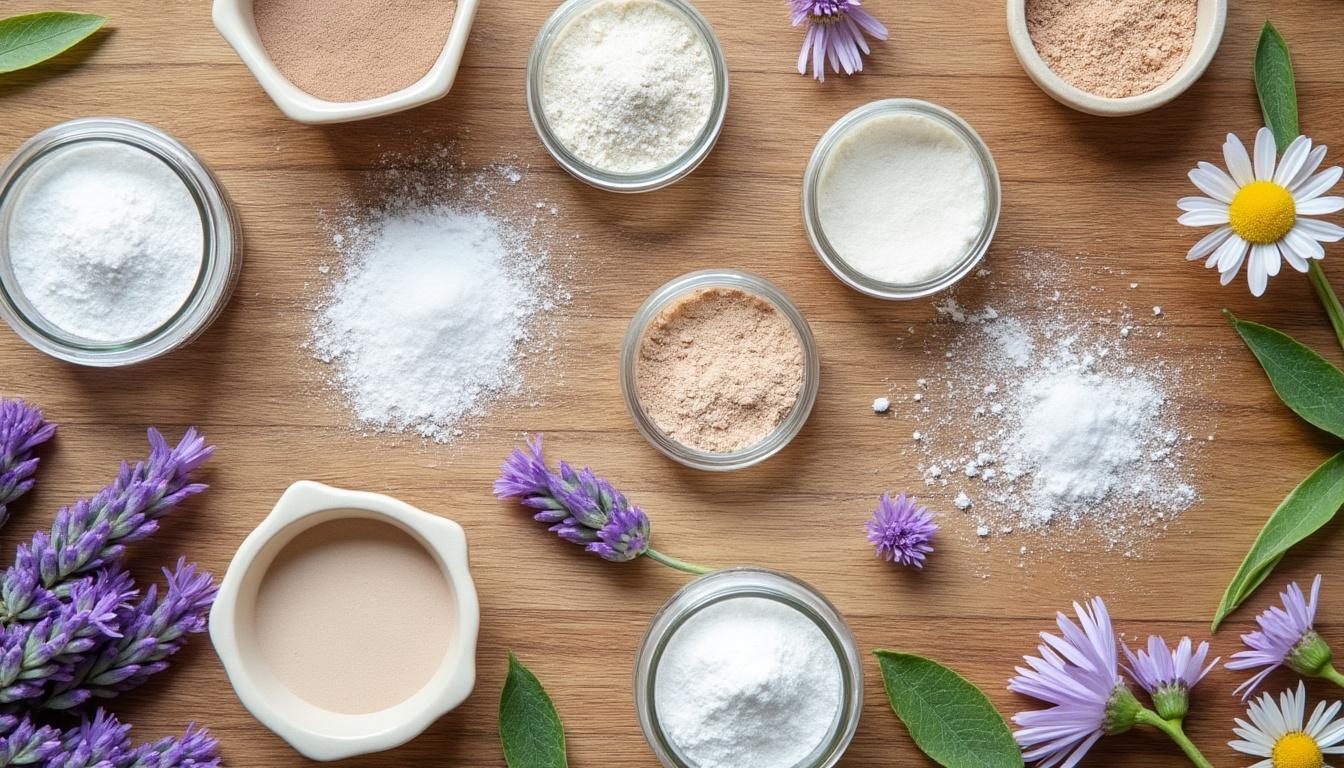
Step-by-Step Guide to Crafting Your Own Mineral Foundation at Home
Transforming raw minerals into a silky, wearable powder foundation is surprisingly straightforward once you understand the process. Following this step-by-step guide ensures a smooth, blendable product that complements your unique complexion.
Gathering Materials and Preparing Your Workspace
Cleanliness is paramount to preserve the purity of your homemade cosmetics. Begin by sanitizing a well-lit, dust-free area with all tools—glass mixing bowls, mini whisks, sifters, and airtight containers—clean and ready for use. Investing in a precision scale will allow measurement of ingredients in fine increments, crucial for consistency.
Next, source your cosmetic ingredients. Opt for certified cosmetic-grade mineral powders to avoid contaminants. Purchase mica, zinc oxide, titanium dioxide, and iron oxides in primary shades such as red, yellow, and black to mix customized colors later. If desired, organic botanical powders can enrich your formula.
Mixing and Blending Minerals for Perfect Shades
Start by weighing your base: a blend of 60% mica, 20% titanium dioxide, and 20% zinc oxide is a reliable starting point for everyday coverage. Using a sifter, combine powders on a clean glass plate, then gradually add pigment powders. Use a small whisk to blend thoroughly, testing color regularly against your skin under natural light.
Fine-tune your palette by combining iron oxides: more red yields warmer undertones, while yellow and black tones adjust for cooler or neutral shades. Create a small swatch on your jawline to evaluate the match, repeating the process until the perfect hue emerges.
Enhancing Texture and Wear
To enhance adherence and longevity, consider lightly incorporating a teaspoon of kaolin clay, which also absorbs excess oil, ideal for oily or combination skin. For added skin benefits, a pinch of powdered botanicals or a few drops of a lightweight carrier oil like jojoba can provide subtle hydration without altering texture.
Store your finished mineral foundation in an airtight compact or small jar. Always label your products with ingredients and dates to monitor freshness.
Expanding Your DIY Makeup Collection: Blushes, Eyeshadows, and More
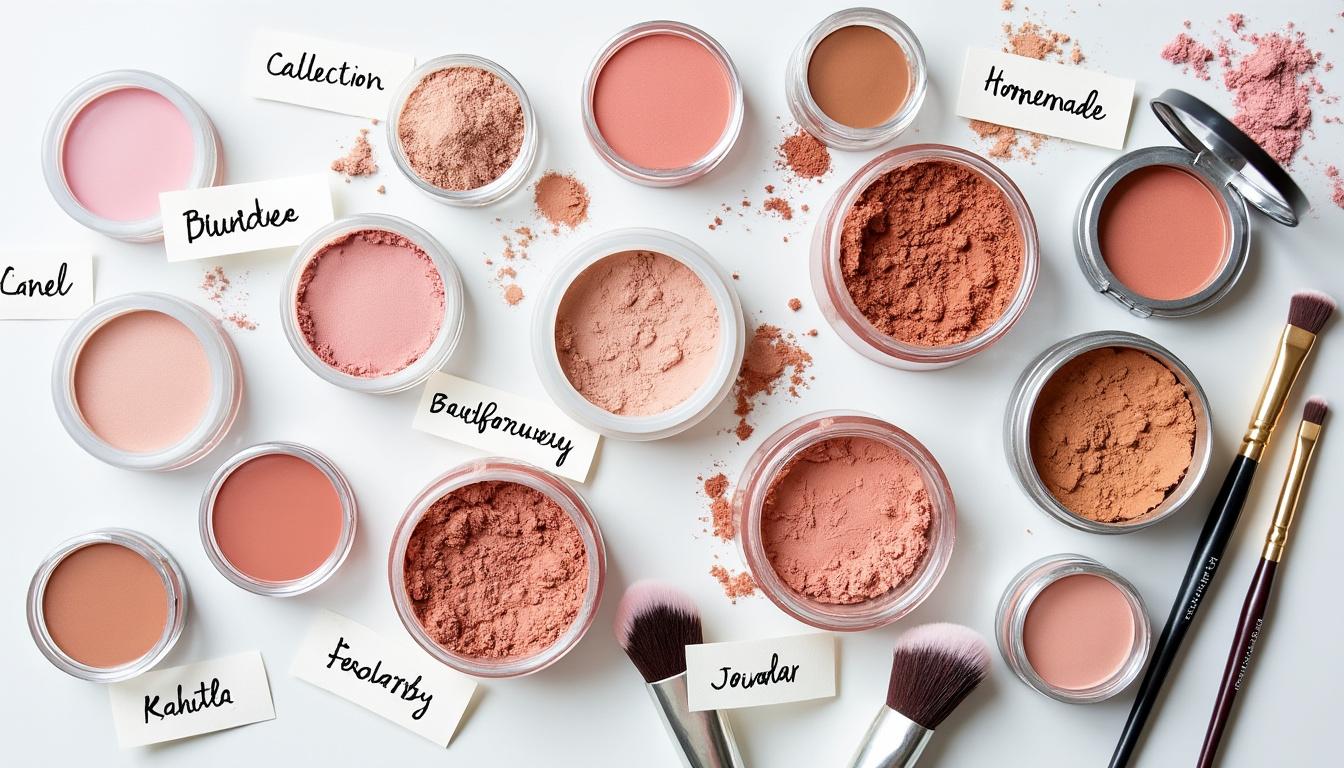
Once comfortable with making your base, broadening your collection to include blushes, eyeshadows, and highlighters opens avenues for creativity and personal expression. Mineral makeup lends itself beautifully to these products thanks to its fine texture and vibrant pigments.
Creating Natural Blush and Highlighter Shades
Blush formulas emphasize the use of iron oxides to mimic natural flush. Start with a base of mica and add increasing amounts of red and yellow oxides to create shades ranging from soft peach to deep rose. For a luminous glow, incorporate white mica and ultra-fine glittery minerals sparingly. The key lies in balancing pigmentation and shimmer to flatter your skin tone and reflect natural light.
Designing Custom Eyeshadows with Mineral Powders
Eyeshadows made with mineral ingredients provide lasting pigmentation that is gentle on delicate eyelid skin. Mix mica with varied iron oxide blends for classic matte or shimmer finishes. To enhance wear, layering with a makeup primer designed for eyeshadow application can be crucial. For more inspiration, refer to how to choose the best makeup primer for eyeshadow.
Adding natural ingredients like powdered cocoa or cinnamon can also create warm, earthy shadows while maintaining an organic profile. Experiment with textures by including a touch of kaolin clay for softness or zinc oxide for opacity.
Storing and Applying Your Homemade Cosmetics Safely
Proper storage not only preserves texture and color but also ensures safety from bacteria. Use airtight containers, avoid introducing moisture, and keep powders away from direct sunlight. Application techniques are just as important; a few well-chosen brushes made for mineral makeup can optimize blending and finish.
Essential Beauty Tips to Maintain Glowing, Healthy Skin with Homemade Mineral Makeup
Using mineral makeup crafted with care supports your skin’s natural barrier, but maintaining healthy skin also involves a thoughtful routine. Prioritize cleansing with gentle removers; if you wear eyelash extensions, check the safety of your products as explained here to avoid damage when using makeup removers.
Always moisturize before application to create a hydrated base that prevents cakey finish and enhances the makeup’s natural glow. Consider layering a compatible primer to boost longevity, particularly if you have oily or combination skin. Remember that clean brushes and proper makeup hygiene protect your skin against irritations and breakouts.
Another tip is to allow your skin periodic breaks from makeup to breathe and rejuvenate naturally. Using homemade products provides flexibility to adapt your routine, choosing lighter or tinted minerals on less busy days. Prioritize non-toxic, ingredient-transparent formulas that celebrate your skin’s health.
Summary of Key Beauty Tips
- Maintain a clean makeup application routine using sanitized brushes and tools.
- Hydrate the skin well before applying mineral makeup.
- Choose makeup removers wisely, especially for delicate areas like around the eyes.
- Customize formulations to your skin’s specific needs, from oil control to added hydration.
- Include regular makeup-free days to support skin renewal.
| Ingredient | Function | Skin Benefit |
|---|---|---|
| Mica | Provides shimmer and smooth texture | Gentle on skin, enhances natural glow |
| Titanium dioxide | Coverage and UV protection | Protects against sun damage |
| Zinc oxide | Soothes inflammation and sun defense | Calms sensitive and acne-prone skin |
| Kaolin clay | Oil absorption and texture enhancer | Controls shine, softens skin |
| Iron oxides | Natural pigmentation | Customizable tones to match skin |